Ensuring Email Validation Compliance in Marketing
Learn about email validation compliance and how it integrates with GDPR and CAN-SPAM regulations. Essential for email marketers.
Understanding the Need for Email Validation Compliance
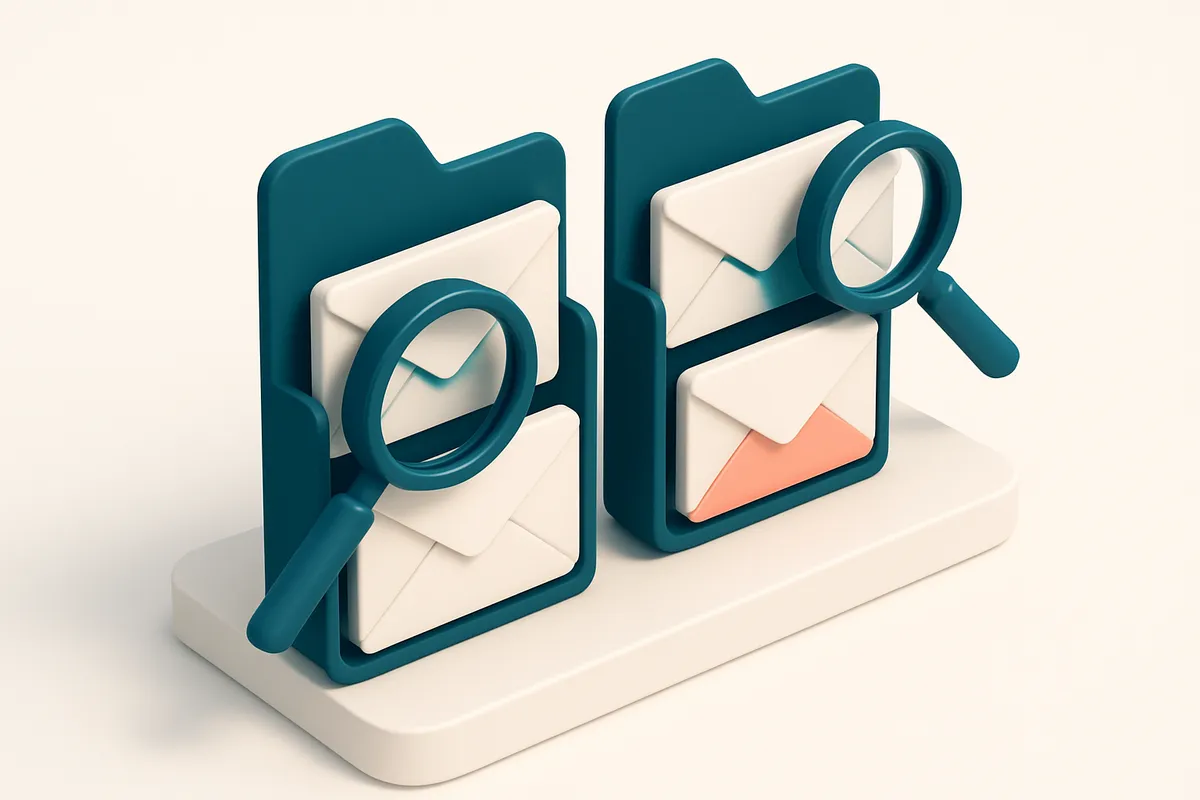
Imagine sending out thousands of emails only for half of them to bounce back—or worse, end up in spam folders. Does the thought make you cringe? This is precisely why email validation compliance is crucial for any marketing strategy. Ensuring emails reach their intended inbox isn't just about crafting the perfect message; it's about maintaining strong systems behind the scenes.
Email validation plays a vital role in protecting your marketing efforts and adhering to regulations like GDPR and CAN-SPAM. These laws are in place to safeguard user privacy and ensure that marketing communications are received with consent. But beyond compliance, validated emails are key to optimizing deliverability rates and maintaining a positive sender reputation. Without it, even the most engaging content will struggle to reach its audience.
In this article, we delve into the importance of email validation compliance. You'll understand how robust email verification can shield you from bounces and regulatory violations while bolstering your brand's credibility. It's not just compliance—it's about getting your message where it needs to be.
Key takeaways
- Email validation safeguards against bounces and spam placement.
- Compliance with GDPR and CAN-SPAM is critical to avoid penalties.
- Validated emails enhance deliverability and maintain sender reputation.
The Role of GDPR in Email Marketing
The General Data Protection Regulation (GDPR) plays a critical role in shaping how you approach email marketing. Central to this regulation is the requirement for affirmative consent. This means you need to secure explicit permission from your contacts before sending any marketing emails. Gone are the days of assuming consent if someone simply didn't opt-out.
Email validation is directly impacted by GDPR's consent requirements. You can't just send emails to potential leads without their clear authorization. Initiating contact with people who haven't opted in not only breaches GDPR but can lead you into legal trouble. Remember, GDPR applies to businesses operating in the EU and those handling EU residents' data.
Data Protection Principles
GDPR emphasizes the protection and accountability of personal data. This includes key principles like data minimization, where you only collect data that's necessary for your specific purpose. For email marketers, this translates to not collecting more information than you need for contacting your subscribers.
Another essential principle is data accuracy. You're required to ensure that the data you hold is accurate and up-to-date. Regularly verifying your email list can help maintain data accuracy and ensure that your messages reach their intended recipients. If you’re considering how to streamline this process, you might want to explore our bulk verification service.
Consequences of Non-Compliance
Failing to comply with GDPR can have serious repercussions. Non-compliance can lead to hefty fines, which can be as high as €20 million or 4% of your annual worldwide turnover, whichever is greater. But the financial penalties only tell part of the story.
Your brand's reputation also takes a hit. Customers today are more informed and concerned about their privacy than ever. A data breach or GDPR violation can erode trust, making it challenging to rebuild relationships with current and potential customers. For a detailed understanding of potential legal ramifications, you can consult resources like the Information Commissioner's Office.
Compliance isn’t just legal cover; it’s a commitment to respect your customers’ data privacy.
In sum, GDPR requires you to adopt a more sophisticated approach to email marketing. It's not only about avoiding penalties but also about enhancing your brand's trust and maintaining valuable customer relationships. Regular email validation aligns with these principles, ensuring you're communicating only with those who've granted permission. For further insights into seamless integration of compliance into your marketing, consider exploring our various integration options.
Understanding CAN-SPAM and Its Implications
The CAN-SPAM Act sets the rules for commercial email, establishing requirements for commercial messages and giving recipients the right to have you stop emailing them. It plays a critical role in ensuring your emails reach the inbox and avoid legal repercussions. So, how can you ensure you're compliant?
CAN-SPAM Compliance Checklist
- Don’t Use False Header Information: Your email's "From," "To," and "Reply-To" fields must accurately represent you or your business.
- Don’t Use Deceptive Subject Lines: Ensure the subject line accurately reflects the content of the message.
- Identify the Message as an Advertisement: You must clearly state that your email is an advertisement, unless you have prior consent from the recipient.
- Provide Your Physical Address: Include a valid physical postal address where you can be reached.
- Include a Clear Opt-Out Mechanism: Give recipients a clear way to opt out of receiving future emails, and process requests promptly.
- Monitor What Others Do on Your Behalf: If you hire a company to handle your email marketing, ensure they follow the rules as well, as both you and the company can be held liable.
Following these guidelines not only keeps you compliant but also helps improve your inbox placement by reducing the likelihood of being flagged as spam. For a deeper dive into regulatory details, you can refer to the Federal Trade Commission's (FTC) guide.
Commercial vs. Transactional Emails
Understanding the difference between commercial and transactional emails is crucial under CAN-SPAM. Commercial emails primarily advertise or promote, while transactional emails directly facilitate a transaction or relationship.
“Not every email falls into the same category. It's important to know which rules apply.”
For instance, a password reset email is transactional. It helps maintain customer trust without promotional intent. On the other hand, a monthly newsletter is likely commercial and must comply with all CAN-SPAM requirements.
Penalties for Violations
Ignorance of the law is no excuse. Violating CAN-SPAM can result in steep fines — up to $50,120 per email as outlined by the FTC here. Multiple violations can quickly add up and severely impact your finances.
Ensuring compliance is an ongoing responsibility that protects your business and your relationship with recipients. For accurate email validation to streamline your compliance efforts, consider our bulk verification solutions.
Using Email Validation to Enhance Compliance
Reducing Risk with Invalid Addresses
When you send emails to invalid addresses, you increase the likelihood of bounces. Bounces not only waste your resources but can also harm your sender reputation. This can lead to your domain being associated with spam, resulting in your future emails being directed to junk folders.
Email validation helps mitigate this risk by checking the validity of each address. Using tools like EmailListChecker.io's bulk verification, you ensure you're sending messages to real and active email addresses.
Preventing Contact with Disposable Domains
Disposable email domains are temporary addresses often used for one-time sign-ups, making them an unreliable channel for communication. Sending emails to these disposable domains results in a high bounce rate and inflated open-rate statistics, skewing your performance metrics.
Through email validation, you can detect and filter out these domains, ensuring your list consists of genuine and active subscribers. As a reference, a report from Return Path highlights the impact disposable domains can have on email campaigns, emphasizing the need for regular validation.
Maintaining List Hygiene
Maintaining list hygiene is crucial for compliance and efficient email marketing. Stale and unresponsive emails clutter your list and contribute to lower engagement metrics. Regular email validation helps clean your database, ensuring that your list is up-to-date and consists of recipients who are more likely to engage with your content.
This proactive approach allows you to focus your resources on potential customers, enhancing your return on investment. By integrating practices such as real-time verification, you can automate this process, ensuring continuous list hygiene.
“Regular email validation safeguards your sender reputation, ensuring your messages reach those who matter most.”
In sum, using email validation enhances compliance by maintaining a high-quality and responsive email list. It mitigates risks associated with invalid emails and disposable domains while optimizing your contact strategy for better engagement.
Email Validation Practices that Support Compliance
Email validation is a critical part of maintaining compliance in email marketing. By ensuring every email address on your list is valid, you not only boost your deliverability but also adhere to anti-spam regulations. Let's walk through the steps that safeguard your practices.
Step-by-Step: Optimizing Your Email Validation
- Implement Bulk List Verification.Start by verifying your email list in bulk. This process identifies and removes invalid addresses, reducing the risk of bounces. Regularly cleaning your list before campaigns ensures only accurate data gets used, optimizing your email's reach and complying with best practices and legal requirements like GDPR.
- Use a Real-Time Verification API.Integrate a real-time verification API to check email addresses at the point of entry. This process prevents bad data from entering your system right from the start. For seamless integration with platforms like HubSpot or SendGrid, consider our API solutions that filter out invalid addresses instantly, upholding your database's integrity.
- Take Preventative Steps Against Greylisting.Greylisting can delay your email delivery if a server temporarily rejects your message. Reduce your chances of encountering greylisting by verifying your sender reputation through services like SPF and DKIM. Ensuring your sending server is compliant with these protocols highlights your commitment to responsible emailing practices, as discussed in community guidelines like the RFC 5321 document.
Your sender reputation is pivotal. Validate emails to maintain it.
Maintaining Compliance Through Proper Validation
While these steps improve deliverability, they also align your practices with compliance standards. Regulatory bodies emphasize list hygiene and validity, so by committing to these actions, you stay ahead of potential legal challenges.
Besides these steps, exploring our suite of verification tools can further enhance your compliance efforts. For instance, our integrations can streamline your processes across multiple platforms, ensuring consistency in your data management.
To maximize these steps' effectiveness, consider combining them into a holistic email strategy. This approach not only keeps your operations within legal boundaries but also fortifies your overall email performance.
Recognizing and Handling Role Accounts
Handling role accounts correctly is crucial for maintaining your email validation compliance. These are email addresses like [email protected] or [email protected] that aren't tied to an individual. Instead, they serve broader purposes like handling inquiries or customer support. They're commonly managed by multiple people, leading to specific compliance challenges.
Impact on Compliance
When it comes to compliance, role accounts can muddy the waters. Because they aren't owned by a specific individual, they often bypass personal consent for communication. This can affect how you comply with regulations like GDPR or CAN-SPAM. It's essential to recognize that while these accounts may seem like an easy target for broad communication, they're often on the list of addresses you don't want to email indiscriminately.
Keeping your communications compliant means understanding these nuances. According to a FTC guide on CAN-SPAM, permission and personalization in email campaigns matter. Role accounts, if handled incorrectly, could lead to unintentional non-compliance, contributing to rising bounce rates and potentially placing your sender reputation in jeopardy.
When to Include or Exclude
Deciding when to include or exclude role accounts from your email campaigns involves careful consideration. In some cases, you might want to include them, especially if the role account plays a part in dealing with partnerships or B2B communications. However, for personalized marketing campaigns, it's often best to exclude them to maintain communication precision.
If you're engaging in transactional emails, role accounts can be the appropriate path to ensure information reaches a team and not just an individual, avoiding any lapse in communication. Our bulk verification feature helps identify these role accounts quickly, offering you the choice to fine-tune your reach accordingly.
Maintaining Communication Precision
Using role accounts without compromising communication precision means leveraging the correct tools to sift through your lists. You need methodologies that allow you to decide dynamically who gets which emails. The prevalence of shared accounts can dilute personalization, which might weaken customer engagement if not properly adjusted.
A reliable verification method can distinguish between individual and group accounts. Implementing an API, like our real-time verification API, can keep your database clean. By ensuring all role accounts are identified and appropriately managed, you reduce the risk of poor inbox placement or lowered deliverability.
"Understanding when to exclude role accounts isn't just about improving metrics; it's about respecting your audience and their privacy."
For those genuinely concerned about compliance and engagement, every role account tackled strategically equates to minimized risk and maximized email viability. Consider evaluating the intricacies of your audience further with resources like this guide on current validation standards.
Evaluating Email Validation Tools
Choosing the right email validation tool is crucial for maintaining your compliance and boosting your deliverability rates. Accuracy and integration capabilities should be top of mind, and we've got a handy comparison of popular tools to help you make an informed decision.
Accuracy and Reliability
A reliable email validation tool will accurately identify invalid addresses, role accounts, and temporary domains. This accuracy is key to reducing bounces and protecting your sender reputation. At EmailListChecker.io, our accuracy stands at 98.9%, providing near-certainty in your email campaigns.
Look for tools that offer real-time verification to keep your lists updated as they're being used. For example, our verification API provides real-time insights, ensuring you're always working with clean data.
Integration with Marketing Platforms
Seamless integration with marketing platforms is no longer a luxury—it's a necessity. The right tool should connect effortlessly with platforms like Mailchimp, HubSpot, and SendGrid. By integrating with these services, your data stays synchronized, streamlining your marketing efforts.
EmailListChecker.io excels here, offering a range of integrations that keep your systems in sync, so you won’t waste time on manual updates.
Comparison of Popular Tools
Several tools lead the market in email validation, each with its own strengths. Below is a comparison overview:
| Tool | Accuracy | Key Features | Integrations | Free Trial? |
|---|---|---|---|---|
| EmailListChecker.io | 98.9% | Bulk verification, Real-time API, Inbox placement testing | Mailchimp, HubSpot, Klaviyo, SendGrid | 100 verifications |
| ZeroBounce | High (not specified) | Advanced features include location data and gender detection | Multiple CRM systems | 100 emails |
| NeverBounce | Over 96% | Real-time email verification, comprehensive analytics | Major providers like Mailchimp | 1,000 emails |
| Kickbox | High (not specified) | Comprehensive verification, detailed reporting | Integrates with popular ESPs | 100 emails |
For further reading, you might want to check a detailed industry analysis on email validation trends from Litmus, a reputable source for email marketing data.
If deliverability issues are costing you revenue, the precise choice of an email validation tool can bridge the gap between failing campaigns and successful outreach.
Selecting a tool is about balancing accuracy, integration, and features against your needs. Remember, it’s about improvement, not perfection. For complete details on our pricing or to kickstart with free verifications, visit our pricing page.
Conclusion: Achieving Compliance through Email Validation
Embracing email validation compliance offers clear benefits. It ensures your emails reach the right inboxes while safeguarding your sender reputation. By adhering to compliance, you minimize bounce rates and avoid blocklists, creating a reliable communication channel with your audience.
Long-term, these practices contribute to the overall success of email marketing campaigns. Building and maintaining a clean email list improves deliverability and fosters trust with your email recipients, ultimately enhancing engagement rates and conversion metrics.
Compliance is not a one-time task but a continuous process. Regular monitoring and updating your email list are essential to stay compliant and respond to any new changes in email standards and consumer protection laws.
Understanding GDPR: The Basics for Email Marketers
Have you ever considered the cost of ignoring data protection laws in your marketing campaigns? Fines for non-compliance with the GDPR can reach up to €20 million or 4% of annual global turnover. If you're an email marketer working with EU customers, understanding GDPR compliance is not just a good idea—it's a necessity.
The General Data Protection Regulation (GDPR) is a robust legal framework that governs data protection and privacy in the EU. For email marketers, this means navigating a landscape focused keenly on consent, data protection, and privacy rights. Complying with these regulations can save you not only from legal repercussions but also help maintain trust with your audience.
Key takeaways
- GDPR compliance is crucial to avoid financial penalties.
- It emphasizes the importance of user consent for data collection.
- Compliance helps build trust with your audience through respecting privacy rights.
Consent: The Cornerstone of GDPR Compliance
Understanding how to obtain and handle consent is pivotal for GDPR compliance. Let’s ensure your practices are aligned with these crucial requirements.
Obtaining and Recording Consent
The General Data Protection Regulation (GDPR) emphasizes the need for explicit consent before sending marketing emails. It's not just about getting a "yes" — it’s about ensuring that users genuinely understand what they’re agreeing to.
- Ensure explicit consent for marketing emails. Don’t assume opt-in; make it clear what users are consenting to.
- Keep consent requests separate from terms and conditions. Users shouldn’t feel pressure to consent as a condition for service.
- Use unambiguous language. Your consent forms should be clear and easy to understand, without any hard-to-spot fine print.
- Maintain records of consent. Store details on who consented, when, and how, so you can verify compliance if needed.
- Periodically review existing consents. Confirm that your records match current regulations and standards.
According to the European Data Protection Board, transparency is key when seeking consent. You can delve deeper into these guidelines by visiting EDPB guidance on GDPR.
Aligning Consent with Tools and Practices
Using the right tools can help streamline and verify compliance efforts. Utilizing a solution like bulk verification can assist in managing large volumes of emails, ensuring your list remains up-to-date and consent-compliant.
Consent isn’t just a checkbox; it’s about respecting user autonomy and fostering trust.
By systematically incorporating these practices, you not only adhere to GDPR requirements but also demonstrate respect for your audience's privacy. It’s about building trust and ensuring clarity in communication.
If you’re looking to integrate solutions that bolster your compliance with platforms like Mailchimp or HubSpot, check out our integrations page for more options.
Adapting to GDPR compliance requires diligence, but the payoff is evident in sustained trust and improved deliverability. Stay informed and proactive in your approach.
Email Validation: Boosting Compliance and Deliverability
Keeping Your Subscriber List Compliant and Updated
Ensuring your subscriber list is both up-to-date and compliant with GDPR requirements is non-negotiable in today’s digital environment. With frequent changes in user information, email validation becomes your dependable process to maintain a clean list. By weeding out obsolete and inaccurate addresses, you not only abide by GDPR mandates but also show respect for your users' data privacy.
Utilizing email validation tools is like attending to garden care — it requires regular attention. By addressing inactive or invalid emails, you minimize the risk of emailing non-consenting users and mitigate potential GDPR issues. For more hands-on bulk processing, you may want to explore our bulk verification capabilities.
Minimizing Bounce Rates for Better Deliverability
Bounce rates are a common hurdle, often stemming from messages sent to invalid or fabricated addresses. By employing email validation, you virtually eliminate these, proactively enhancing deliverability. Sending to active, verified email addresses means fewer bounces, translating into improved sender reputation over time.
Email verification examines various technical aspects, including the domain’s MX records, to ensure the receiving server accepts mail. This process weeds out addresses that will inevitably cause a bounce, which is crucial in maintaining a healthy email strategy and essential for your sender score. You can delve deeper into how our real-time verification API supports this process.
Reduce your bounce rates significantly, target real users, and keep your GDPR compliance in check with robust email validation.
Enhancing Sender Reputation
GDPR compliance isn’t just about storing data securely; it's about maintaining a trustworthy digital footprint. A key element of achieving this is your sender reputation—a measure email servers use to decide how to handle your messages. A strong reputation can ensure your emails reach inboxes and not spam folders.
Using email validation, you bolster your sender reputation by ensuring emails are sent to real, active addresses. This approach minimizes the risk of being flagged for spam or being blacklisted, leading to better engagement with your target audience while adhering to GDPR principles. According to a report by Validity, maintaining a score above 80 is essential for inbox placement success.
For those concerned about integration difficulties, Emaillistchecker.io simplifies the process with various integrations available for popular platforms like Mailchimp and SendGrid, allowing seamless email list management without hassle.
In short, email validation not only aligns your campaigns with GDPR objectives but also significantly boosts your deliverability and engagement rates. By prioritizing valid, consent-giving recipients, you simultaneously protect your brand from potential regulatory pitfalls and foster a more successful communication strategy.
Keep reading
- Email compliance: CAN-SPAM, GDPR, HIPAA and consent (complete guide)
- Email Verification for Fintech API Integrations with High Security
- Email Verification Solution with Multi-Factor Authentication for Government Use
- Email Address Validation for Manufacturing Companies Reducing Unsubscribe Rates
- Email Validation API for Retail Email List Hygiene and Compliance
Ready to put this into practice? Emaillistchecker.io verifies emails with 98.9% accuracy — start with 100 free verifications.
Frequently asked questions
Why is email validation important for GDPR compliance?
Email validation helps ensure accurate data processing and minimizes sending to invalid addresses, both critical aspects of GDPR.
How does the CAN-SPAM Act affect email marketing?
CAN-SPAM sets rules for commercial emails, including the need to provide recipients with opt-out methods and to avoid misleading information.
What are the penalties for non-compliance with email marketing laws?
Penalties can range from fines to legal action, impacting both finances and brand reputation.
What is a role account and why should it be validated?
Role accounts are emails like 'info@' or 'support@' used by groups; validation helps decide if they're appropriate for your list.
How does email list hygiene relate to compliance?
Maintaining list hygiene ensures you're sending only to engaged, valid recipients, reducing bounce rates and legal risks.
Can email validation prevent my emails from being filtered as spam?
While it cannot guarantee inbox delivery, validation reduces high-risk sends that could trigger spam filters.
What should be considered when choosing an email validation tool?
Look for accuracy, integration compatibility, and user-friendly features to ensure effectiveness.
How often should email lists be validated for compliance?
Regular validation is advised before major campaigns and periodically to ensure ongoing compliance.
What integrations does Emaillistchecker.io offer?
It integrates with Mailchimp, HubSpot, Klaviyo, and SendGrid for streamlined operations.
Does using Emaillistchecker.io guarantee compliance?
No tool can guarantee compliance; however, it aids significantly in maintaining list accuracy and hygiene.
How do disposable domains affect deliverability?
Sending to disposable domains increases bounce rates, harming sender reputation and deliverability.