
Impact of Testimonials on Service Pages & Conversion Rates
Explore how testimonials influence service pages and boost conversion rates. Learn effective strategies for implementation.
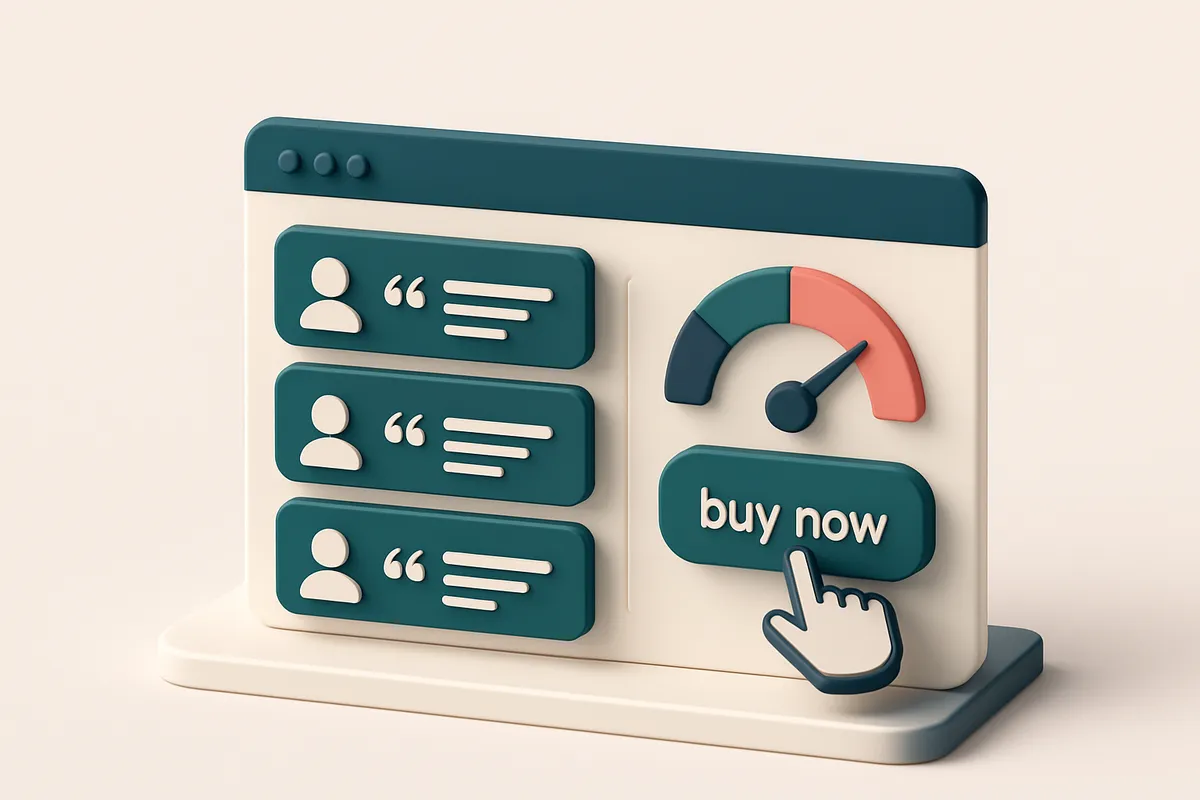
Introduction: The Overlooked Power of Testimonials
Have you ever hesitated before clicking “buy”? You're not alone. Many customers face indecision until they see what others have to say. This is where the impact of testimonials — powerful endorsements from existing users — comes into play.
Testimonials serve as undeniable social proof, often the final nudge a potential customer needs to make a purchase. By showcasing positive experiences, they can significantly boost conversion rates on service pages. But there's more: testimonials aren't just about closing sales; they build trust, a crucial factor in consumer decision-making.
In this article, we'll explore how testimonials influence buyer behavior and why they should not be an afterthought in your marketing strategy.
Key takeaways
- Testimonials provide social proof, which is critical to building trust.
- They can lead to significant increases in conversion rates.
- Including testimonials strategically on service pages can influence purchasing decisions.
Why Testimonials Matter for Service Pages
Enhancing Credibility Through Real User Validation
When potential customers visit your service pages, they're often looking for reasons to trust your business. Testimonials provide that necessary validation, showing firsthand accounts from real users who've found value in what you offer. It's not just about showcasing happy clients; it's about lending credibility to your claims.
According to a survey by BrightLocal, 92% of consumers read online reviews before purchasing, and testimonials are a powerful form of these reviews. They reassure visitors that your services have helped others solve similar problems, boosting their confidence in choosing you.
Increasing Engagement and Time Spent on Service Pages
Not only do testimonials enhance credibility, but they also keep potential customers engaged on your pages longer. When visitors see relatable stories of success, they're more likely to invest time understanding your services in depth. This increased time on page can translate to more meaningful interactions and a stronger interest in your offerings.
Remember, it's about crafting a narrative that speaks to your audience's desires and pain points. Reading stories from similar industries or needs can resonate well, making your potential clients feel understood and seen.
Influencing Decision-Making: The Case Study Advantage
Testimonies often play a pivotal role in the decision-making process. They can be as persuasive as case studies, showing step-by-step how your service made a difference. Well-placed testimonials that align with common client needs can nudge potential customers toward conversion.
Case studies provide comprehensive examples, but sometimes a simple, heartfelt testimonial can carry as much weight. It's the human touch behind the data that's impactful. Testimonials offer that snippet of authenticity and personal touch, influencing minds toward favorable decisions.
For companies re-evaluating their pages, consider integrating tools to enhance email deliverability and effectively gather feedback through our Bulk Verification and Integrations services. These can help ensure your messages reach intended clients, paving the way for testimonials that mirror genuine customer satisfaction.
“Testimonials can create that vital bridge between interest and trust, crucial for conversions on service pages.”
Ultimately, testimonials are more than just nice-to-haves. They're strategic elements that contribute to credibility, engagement, and decision-making on your service pages. As you optimize, consider their role carefully and invite authentic stories that reflect real impacts made by your services.
The Mechanics Behind Conversion Rate Improvement
In the digital age, potential customers often rely on what others have to say before making a purchase decision. Testimonials play a crucial role in this process by reducing anxiety and building trust among visitors. When someone praises your service or product, it reassures potential clients, mitigating their fears of buyer's remorse.
The Psychological Leap
At the core, testimonials act as social proof. They bridge the gap between curiosity and conversion by addressing common apprehensions. According to a report by BigCommerce, testimonials can increase conversion rates on service pages by up to 34% source. Essentially, they're the online equivalent of hearing a friend's recommendation.
But it's not just about having testimonials—where and how you place them can significantly influence their effectiveness. For instance, placing testimonials near call-to-action buttons gives hesitant prospects that extra nudge towards completing the desired action.
Strategic Placement and Relevance
To maximize the impact of testimonials, ensure they’re relevant to the product or service being showcased. Contextual relevance helps potential buyers see themselves benefiting from the same positive experiences others describe. This is why a testimonial about swift customer service might best serve on a support-focused page, while one about reliability might shine on a product specs page.
Strategic placement matters too. Consider the buyer's journey on your site. If you're offering a software-as-a-service product, integrating testimonials organically within your content—like near pricing options or feature descriptions—can reinforce trust at crucial decision points.
For businesses aiming to boost deliverability and enhance their email marketing efforts, EmailListChecker.io’s bulk verification tool allows for a clean, verified email list, ensuring your messages reach real, engaged users.
Cleverly placed testimonials transform casual lookers into confident buyers, making each piece of feedback an ally in your conversion strategy.
In conclusion, understanding and implementing the mechanics behind testimonial-driven conversion rate improvement provides a significant edge. By reducing anxiety and building trust, you create genuine connections and encourage actions, ultimately fostering a more successful, engaging customer experience.
Crafting Testimonials: Key Elements to Consider
Testimonials hold significant weight in influencing potential customers. However, crafting them authentically can be a challenge. Let’s dive into what makes testimonials effective.
Authenticity and Relevance
When curating testimonials, authenticity is paramount. Potential customers can sense anything that feels exaggerated or insincere, which could lead to mistrust.
Selecting testimonials that resonate with your target audience is equally important. These narratives should reflect the real challenges your audience faces, offering a glimpse of how your product or service has made a meaningful impact.
- Use quotes from real customers, ensuring they reflect genuine experiences and emotions.
- Avoid hyperbolic language that might raise skepticism about the testimonial's truth.
- Make sure testimonials directly address common needs or pain points of your audience.
Brevity with Insight
Customers appreciate clarity and conciseness in testimonials. While long testimonials can get lost in detail, short and powerful statements capture attention quickly.
- Keep testimonials concise—around two to three impactful sentences.
- Focus on specific outcomes or benefits the customer experienced.
- Edit for brevity without losing the essence or authenticity of the customer's message.
"The only purpose of customer feedback is to help companies improve and for customers to know how their feedback could lead to meaningful improvements." - User Experience Professionals Association
To further solidify the trustworthiness of your testimonials, consider linking to third-party reviews or case studies, showcasing broader satisfaction trends. For related insights on improving your email strategies, exploring tools like our inbox-placement service can greatly enhance trust and visibility in your audience's inboxes.
By focusing on these elements, you ensure your testimonials speak directly to the needs of potential clients, maximizing their effectiveness as a tool for persuasion. For more insights, you can review strategies from trusted sources like the Digital Marketing Research for further validation and techniques.
Integrating Testimonials Effectively on Service Pages
Strategically Placing Testimonials
Positioning testimonials thoughtfully on your service pages can make a significant difference in persuasion. Let's break down where and how to integrate them effectively.
- Identify Key AreasStart by selecting areas where testimonials can boost conversions. High-impact zones include near the call-to-action (CTA), below the service description, and alongside pricing information. These placements leverage testimonials as social proof exactly where potential clients are making decisions.
- Ensure Visual DistinctionYour testimonials should stand out to draw attention. Use contrasting design elements like borders, background colors, or quotation marks. This helps separate them from the rest of the text, making them more engaging and readable.
- Incorporate Photos and NamesIf possible, add photos and names of the people giving testimonials. This personal touch enhances credibility and encourages trust. According to a Neil Patel's article, testimonials with full personal details can increase the believability significantly.
Maintaining Freshness and Relevance
Testimonials need regular updates to remain effective. Here's how you can keep them fresh and relevant:
- Update RegularlySet a schedule to review and update testimonials. Stale testimonials may not reflect current customer experiences and can undermine trust if left unchecked. Aim for quarterly updates as a best practice.
- Include Diverse PerspectivesFeature testimonials from a range of customers to highlight different aspects of your service. This variety provides a more holistic view and resonates with a broader audience.
Monitor EngagementTrack how customers interact with your testimonials. Use analytics tools to understand which testimonials get the most attention and use this data to improve placement and content.
Remember, genuine and relatable testimonials can bridge the gap between a skeptical visitor and a converted customer.
For businesses focusing on email marketing, enhancing deliverability can benefit from integrating testimonials on pages like our inbox placement service page, where user confidence is crucial.
Integrating testimonials effectively is about strategic placement, visual engagement, and maintaining currency. Keep your service pages dynamic with testimonials that truly resonate, bolstered by an approach that values constant improvement and adaptation.

The Role of Testimonials in Case Studies
Incorporating testimonials within case studies offers a unique advantage. While a standalone testimonial provides a snapshot of customer satisfaction, a case study enhances this by adding layers of detailed context. This fusion can turn a simple compliment into a story of transformation that potential clients can relate to.
Amplifying Benefits with Context
A case study gives you the platform to paint a comprehensive picture. By weaving testimonials into a narrative that includes specific challenges and the path to resolution, you're not just telling prospects how great your service is. You're showing them, step by step. This detailed context amplifies the impact of a testimonial, transforming it from mere words into a robust endorsement backed by real-world scenarios.
Consider referencing a concrete example, such as when a client faced issues with email delivery and opted for our inbox placement testing. Their testimonial about improved deliverability is paired with data reflecting a 20% increase in open rates. This quantitative backing shifts the testimonial from subjective praise to a compelling demonstration of tangible benefits.
Data-Backed Results for Maximum Impact
Pairing testimonials with data-backed results magnifies their credibility. When a case study includes specific statistics, it gives more weight to the customer’s words. For example, if a testimonial mentions how switching to our service reduced their email bounce rate, including the exact percentage drop (attributed to a verifiable source) in the case study reinforces the testimonial's authenticity.
Research from the CMO Council highlights how businesses that use data-driven case studies report a significant boost in customer engagement and conversion metrics. This insight underscores the importance of coupling qualitative feedback with quantitative evidence.
“Testimonials gain power when intertwined with data. It's their combination that can effectively sway your prospect's decision,” shares a trusted industry voice.
Finally, intertwining testimonials with substantive case studies puts you in a stronger position to demonstrate the specific benefits of using your service. This not only builds trust but also provides future clients with a concrete sense of what they can achieve utilizing your solutions. So, when it's time to showcase your service's value, don't just share the words of your satisfied customers—embed them in a narrative supported by data and context.
Analytics: Measuring the Success of Testimonials
When you've decided to spruce up your service pages with testimonials, it's crucial to gauge their effectiveness accurately. Let's dive into how you can measure and optimize the success of testimonials with a systematic approach.
Conversion Rate Tracking
- Establish a Baseline: Start by recording your current conversion rates before adding testimonials. This gives you a clear benchmark to compare against. Knowing where you started helps you understand how much impact the testimonials have.
- Implement Testimonials: Add testimonials strategically on your website. Choose places where they can boost credibility but avoid cluttering critical conversion paths.
- Measure the Impact: After placing testimonials, monitor the conversion rates over a set period. Compare these rates with your initial baseline to see tangible improvements.
According to a study by Neil Patel, conversion rates can improve by up to 34% with well-placed testimonials. That said, results can vary greatly based on presentation and content. Always rely on your own data for precise insights.
A/B Testing for Optimization
- Design Test Variants: Create multiple versions of the page with different testimonial placements or formats. You might test layout, length, or even the type of customer feedback featured.
- Run A/B Tests: Launch these variants to see which performs best in terms of engagement and conversion. This helps you refine how testimonials are used effectively.
- Analyze Results: Review the data to identify the variant with the highest conversion. Consider variations like color, font, and placement as potential winners.
Always remember, what works for one audience might not work for another. Consistently testing and adapting is key.
You can integrate insights from these tests into broader departmental strategies. For seamless data integration, consider using tools like Emaillistchecker.io's integrations feature.
Monitoring Traffic and Engagement
- Track Page Traffic: Use analytics tools to monitor traffic to pages containing testimonials. Has there been an uptick since their inclusion?
- Assess Engagement Metrics: Look into how engagement metrics like time-on-page or click-through rates have changed. Increased engagement often signals higher viewer interest and trust.
- Adjust and Improve Content: If the data shows areas for improvement, iterate on testimonial format and placement to further optimize impact.
This structured approach not only helps you measure success but also empowers you to continually improve the way testimonials work for your brand. For more on optimizing deliverability and ensuring email engagement, explore Emaillistchecker.io’s inbox placement services.
Conclusion: Testimonials as a Strategic Asset
Effective testimonials significantly boost confidence in potential clients, serving as powerful endorsements that can sway decision-making. By strategically placing them on service pages, businesses often see measurable improvements in engagement and conversion rates.
Consistent updates and optimization of testimonials are crucial for maintaining their effectiveness over time. Regularly refreshing content ensures credibility and relevance, keeping the feedback aligned with evolving consumer expectations.
Keep reading
- Email marketing fundamentals for clean data (complete guide)
- Optimizing Thursday Email Timing for Engagement
- Creative February Marketing Campaigns: Ideas & Tips
- Crafting February Newsletter Ideas with Compelling Calls to Action
- Optimize Email Timing on Friday for Maximum Impact
Keep reading
- Impact of Invalid Emails on Campaign Success
- Maximize Newsletter Impact with Proven Strategies
- Understanding the Impact of Timing on Emails
- Exploring ESP and ISP Email Verification's Performance Impact
Ready to put this into practice? Emaillistchecker.io verifies emails with 98.9% accuracy — start with 100 free verifications.
Frequently asked questions
How do testimonials affect conversion rates?
They provide social proof, reduce buyer anxiety, and can increase conversion rates significantly.
Where should testimonials be placed on a service page?
Key positions include near call-to-action buttons, above the fold, or integrated within relevant content sections.
What makes a testimonial effective?
Authenticity, relevance to the audience, and clarity are crucial elements of an effective testimonial.
Can testimonials be included in case studies?
Yes, they can enhance case studies by providing personal insights and corroborating data.
How often should testimonials be updated?
Updating testimonials every 6-12 months keeps content relevant and reflects the latest user experiences.
How to measure the impact of testimonials on conversion rates?
Analyzing conversion metrics via A/B testing and increases in engagement can measure testimonial effectiveness.
Do all service pages need testimonials?
While beneficial, the necessity depends on the service's nature and customer base dynamics.
Should testimonials include the client's full name?
Including at least a name and title, if consent is given, enhances authenticity and trust.
Are there legal considerations for using testimonials?
Ensure testimonials are used with consent and accurately represent the customer's experience.
How can testimonials be collected effectively?
Automated feedback requests and follow-up emails post-service can help gather testimonials efficiently.