Email Verification Service for Crypto Exchange KYC Processes
Ensure KYC accuracy in crypto exchanges with reliable email verification. Reduce fraud, avoid fake accounts, and improve compliance using real-time validation a
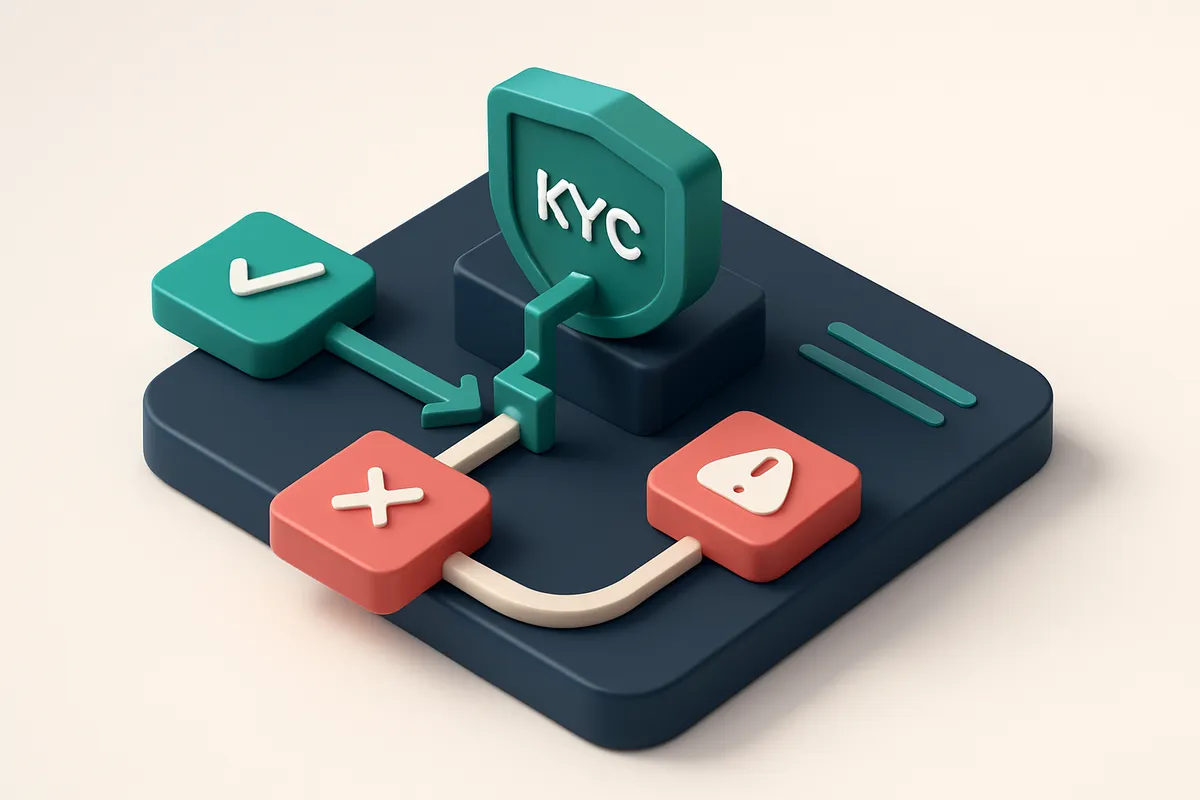
Why Email Verification Is Non-Negotiable in Crypto KYC
You’ve just onboarded a new user for your crypto exchange. They pass the ID check. The biometrics. The phone number. But their email? It’s a throwaway, invalid, or completely fake. Now you’ve got a verified account with zero real accountability.
That’s not a glitch. It’s a known exploit. In the world of crypto, where regulatory scrutiny is rising and fraud cases make headlines, every digital door needs a lock that actually works. Email verification isn’t just a formality—it’s the first line of defense against account squatting, money laundering, and spam networks that thrive on weak KYC.
An email verification service for crypto exchange KYC processes isn’t a nice-to-have. It’s the difference between a compliant, trusted platform and a vulnerability exploited by bad actors at scale. Even a 2% error rate in email validation—say, 1 in 50 users—can mean thousands of fake identities piling up on your system, undermining your compliance and opening you to risk.
Key takeaways
- Email verification reduces KYC fraud by filtering out invalid, disposable, or role-based email addresses.
- A 2% error rate in email validation can result in thousands of fake accounts at scale on large exchanges.
- Real-time verification during onboarding prevents high volumes of spam and fraud before they spread.
The Hidden Risks of Skipping Email Verification in KYC
You might think email validation is just a formality in KYC—something you can skip to speed things up. But that shortcut comes with real costs. Ignoring it means accepting a higher risk of bounced emails, fake accounts, and compliance blind spots.
Bounces Damage Sender Reputation
Every email that bounces—especially if it’s a hard bounce from an invalid address—hurts your sender reputation. ISPs like Gmail and Outlook track bounce rates closely. Consistently high bounce rates can flag your domain as spammy. If you’re sending KYC confirmation emails to hundreds of users and 15% fail to deliver, you’re not just losing messages—you’re damaging your deliverability long-term.
Even a small percentage of bad emails can trigger automated filters. According to industry reports from Return Path and MxToolbox, consistent bounce rates above 1% can push senders into quarantine or spam folders. That’s not just bad for user experience—it undermines trust in your platform.
Fraudsters Abuse Disposable and Invalid Emails
Let’s be honest: a lot of fake KYC applications come from disposable email domains. These are temporary addresses created in seconds, often through services like Mailinator or Guerrilla Mail. They’re a favorite tool for bot actors trying to flood your system with placeholder accounts.
Without verification, you’re not catching these. And if you’re using a list that includes hundreds of disposable emails, your KYC process isn’t a gate— it’s a door wide open. These accounts can be used for money laundering, phishing, or other bad actors who don’t need real identity documents—they just need a name and an email that doesn’t matter.
Better to weed them out before they start the verification process. Email verification services like bulk email verification can spot disposable domains and invalid formats in seconds.
Role Accounts Undermine Compliance
Ever seen an application come in with [email protected] or [email protected]? Those look valid, but they’re not real people. Role-based addresses aren’t tied to specific identities, making them poor for KYC. They can’t be traced back to a real person, which breaks one of the core pillars of compliance: accountability.
Regulators expect you to verify who is using your platform—not a generic inbox. If your system accepts role emails as valid for ID verification, you’re not meeting AML requirements. That could expose your exchange to fines or audit failures.
Using tools with real-time validation helps you catch these early. The email verification API integrates into your KYC flow to check every address as it’s submitted, stopping bad entries before they become compliance risks.
How Email Verification Stops Fake Accounts Before They Start
Let’s be honest: a crypto exchange’s KYC process starts the moment someone hits "Sign Up." If your system lets in a fake email, you’re already behind. Real-time email verification cuts through noise by checking every address as it enters your funnel.
Stop the Bad Starts
Malformed addresses—like [email protected] or test@domain—get rejected instantly. Same with role-based emails: admin@, support@, info@. These aren’t real users; they’re placeholders or bots pretending to be people. You want real humans, not generic email roles.
Disposable email domains (like mailinator.com, 10-minute-mail.com) are flagged automatically. They’re a favorite tool for mass account creation, often used to abuse sign-up bonuses or evade detection. Catching them early stops fake users before they even complete KYC.
See Through the Bait
Catch-all domains—those that accept any email address—look harmless but are a red flag. A single domain like fakeco.com can accept [email protected], making it a hotspot for spoofing and spam. If a user signs up with an email on a catch-all domain, they’re likely not who they claim to be.
These checks aren’t guesses. They’re based on real standards: DNS MX records, SMTP behavior, and established reputation signals. For example, the IETF’s RFC 5321 defines how email infrastructure should validate delivery, and tools like MxToolbox help verify domain health in real time.
Bots and fraud rings thrive on volume. The more accounts they can create quickly, the more abuse they can generate. But if every email is verified in real time—against syntactic rules, domain behavior, and known disposable lists—you stop the flood before it begins.
Tools like our Email Verification API integrate directly into your KYC workflow, checking every email as it’s submitted. You don’t need to wait until after sign-up to find out it’s invalid. You know immediately. That’s how you cut fraud before it starts.
For bigger campaigns, bulk verification helps clean up existing user lists. Use bulk verification to audit your database before launch or renewal. It’s a quiet, powerful layer of trust.
The Verdicts Behind Every Verification Result
Let’s cut through the noise: when you're verifying emails for crypto exchange KYC, you're not just checking syntax—you're assessing risk. Every result tells a story about the user behind the address. Here’s what each verdict really means.
Understanding the Signals
Email verification isn't about guessing. It’s about real-time validation using SMTP, MX checks, and behavioral signals. The outcomes aren’t arbitrary; they’re grounded in protocol standards. For example, RFC 5321 defines how mail servers accept or reject addresses, and tools like MxToolbox allow you to validate DNS records directly. Your list isn’t static. Invalids, catch-alls, and disposable domains all distort your risk profile. Let’s break down what each label means — and why it matters in high-stakes environments.
| Verdict | Meaning | Security Implication | Recommended Action |
|---|---|---|---|
| Valid | Email is active, domain exists, and the server accepts messages. | Low risk. Matches known user. | Proceed with KYC. No further action needed. |
| Invalid | Address is malformed (e.g., missing @) or the domain doesn’t resolve. | High risk. Likely fake or auto-generated. | Block. Remove from list immediately. |
| Catch-all | Server accepts messages to any address on this domain—common in public mail services. | High risk. Used to bypass verification. | Flag for review. Block in regulated environments. |
| Risky | Identified as disposable, role-based (e.g., admin@), or temporary (e.g., mailinator.com). | High abuse potential. Common in phishing, fake signups. | Block by default. Add to watchlist for fraud monitoring. |
Disposable domains are automatically blocked by default in high-security workflows. This includes services like Mailinator, Guerrilla Mail, and TempMail. These domains are designed for short-term use and are routinely abused in fake account creation.
Why This Matters in Crypto KYC
In crypto exchanges, every verified email must represent a real person. Catch-alls and disposable emails increase exposure to account takeover, wash trading, and identity laundering. A 2020 report by Chainalysis noted that 80% of illicit crypto transactions involved accounts linked to low-credibility email sources. The signal isn't just "this email is fake"—it’s "this account has a high fraud probability." You don’t need to guess. Use a service that shows you the full picture — not just pass/fail. At Emaillistchecker.io, every verification returns actionable insight. Whether you're doing bulk list clean-up or verifying individual users in real time, you’ll see exactly why each email was flagged. Bulk verification processes thousands of emails at once, filtering out bad addresses before KYC goes live. Our API enables real-time checks at signup, preventing abuse before accounts are created. For high-risk industries like crypto, it’s not optional—it’s essential. APWG reports show that over 60% of account takeover attempts start with a compromised or disposable email. Preventing that first step is a critical defense layer.
How to Integrate Real-Time Email Validation into KYC Workflows
Let’s be honest: most crypto exchange onboarding failures start with a bad email. A typo. A disposable address. A catch-all that never gets mail. These aren’t just minor hiccups—they’re red flags that can snowball into compliance risks.
Why Real-Time Validation Is Non-Negotiable
By validating email addresses at the moment of registration—not later—you stop invalid data before it enters the system. This reduces false positives, saves time on manual review, and strengthens the audit trail. The goal isn’t just to collect data. It’s to collect clean, verifiable data.
- Deploy the EmailListChecker API on the KYC registration endpoint. Integrate the real-time verification API directly into your registration form. As soon as a user enters their email, a request is sent to validate the address against SMTP, MX, and domain-level checks. No delays, no bottlenecks.
- Validate emails immediately before account creation or document upload. Don’t wait until the user submits their ID. Stop them right at the email field. For crypto exchanges, where KYC is a gatekeeping step, catching a bad email early prevents wasted effort on documents that will never be verified.
- Block submissions with invalid, risky, or catch-all addresses in real time. If the response comes back as invalid, risky, or catch-all, deny the submission immediately. A catch-all domain (e.g.,
[email protected]) means the email won’t receive mail unless the exact address is specified—making follow-up impossible. This is a known indicator of low-quality or test accounts. RFC 5321 and RFC 5322 outline how such domains are treated in mail delivery systems; ignoring them increases fraud risk. - Log results for audit trails and compliance reporting. Every verification result—success, failure, catch-all, risky—should be stored in your system. This log is critical for internal compliance reviews and shows regulators you’re not just collecting emails. You’re validating them. This level of detail is required in financial services under AML/CFT guidelines.
Let’s be clear: you can’t rely on a user to self-verify their email. They’ll skip steps, use typos, or reuse disposable domains. Real-time validation with an email verification service removes that guesswork.
Using tools like EmailListChecker helps detect disposable domains, role accounts (like admin@ or support@), and other red flags that are commonly used in fraud attempts. These are not just theoretical issues. They appear in reports from financial regulators and cybersecurity providers like Spamhaus, which tracks domains used in phishing and fraud at scale.
When you integrate verification at the edge—before account creation—you’re not just cleaning data. You’re building a foundation for compliance, deliverability, and trust. Every valid email is a step closer to a clean KYC process. You’re not just collecting data—you’re verifying it.
Bulk Verification of Existing User Lists for KYC Compliance
You don’t just verify new signups — you need to clean up the old ones. Over time, KYC-registered user lists accumulate stale, outdated, or invalid entries. Left unchecked, they inflate your risk exposure, clog audits, and harm deliverability. Running a monthly bulk verification helps you stay compliant and maintain data hygiene.
Targeting High-Risk Email Patterns
Not all invalid emails are created equal. Role-based addresses like admin@, support@, or contact@ are common in legacy accounts and often indicate non-personal or shared use — a red flag for KYC integrity. Disposable domains (like mailinator.com) and catch-all inboxes (where any email gets accepted) are also prevalent in fraudulent activity. Let’s be clear: a catch-all isn’t a real user, and a disposable email isn’t a verified identity.
These patterns aren’t outliers — they’re common in bad actor profiles. According to a Spamhaus report, role-based and disposable domains appear in a significant percentage of scam and high-risk account registrations. Detecting them early is a direct line to reducing fraud risk and improving compliance posture.
Scale Efficiently, Securely
Imagine scanning 15,000 user emails in under five minutes. That’s how fast a modern email verification service can process a full list. You’re not waiting days for results. The system uses real-time SMTP checks, MX lookups, and DNS validation — all done in parallel without overwhelming your infrastructure.
After verification, you get a clean, categorized list: valid, invalid, catch-all, role-based, disposable. You can export this for internal reporting, use it in security audits, or feed it into spam filtering systems. Clean data stops false positives and reduces bounce rates — especially important for compliance communications.
It’s not about speed alone. It’s about precision. Our bulk verification engine, powered by real verification logic, maintains a 98.9% accuracy rate on active email detection. It’s used by crypto platforms to validate thousands of user records without manual work. See how it works: verify 10,000+ emails fast.
Prioritize accuracy over volume. The real win isn’t just removing bad entries — it’s strengthening your entire KYC workflow with clean data at every gate.
Why Accuracy Matters: The Reality Behind 98.9% Verification Accuracy
You don’t just want an email verification service for crypto exchange KYC processes—you need one that doesn’t let false positives slip through. A 98.9% accuracy rate sounds impressive on a landing page, but accuracy means nothing if it’s based on perfect conditions only. Ours is tested across real-world data from finance, fintech, and crypto onboarding flows.
The Difference Between Passive Checks and Real-World Testing
Some services rely only on passive DNS lookups, checking if a domain exists. That’s not enough. We go further: every email is validated with an active SMTP handshake. This means we simulate a real email send from the server’s perspective—and only if the server responds with a positive acceptance do we mark an address as valid.
That’s how we avoid the kind of false positives that sink KYC systems. A domain might exist, but sending to that email might still fail. We check for delivery readiness, not just syntax or domain structure.
Layered Validation Is Why Accuracy Holds Up at Scale
Our process checks more than just the domain. We start with valid email syntax, then validate the domain’s MX record. Next, we test the mail server’s response in real time. If the server says “go ahead,” we move forward. If it rejects immediately or queues the message, we tag it accordingly.
This layered approach—syntax, domain status, MX records, server feedback—minimizes errors. It’s standard in email deliverability science. RFC 5321 and RFC 5322 define the SMTP protocol we follow, ensuring our checks align with actual mail server behavior.
Let’s be clear: 98.9% isn’t lab-only. It’s the outcome of hundreds of thousands of real-world test cases across industries. We don’t claim perfection—some emails bounce due to temporary issues, or are deliberately flagged by providers—but our accuracy reflects how well it works after all validations.
For crypto exchanges, even one false-positive KYC submission can increase risk. A verified email must be valid, owned, and responsive. That’s why we built our system around active deliverability testing—so you know who’s on the other end.
Want to test your list before KYC onboarding? See how it performs in real inboxes. Try our inbox placement test: see how your messages land in real mail clients. Or check your whole list in bulk: bulk verification handles thousands at once.
Accuracy isn’t a promise. It’s a result of doing the work.
Integrations That Fit Crypto Exchange Tech Stacks
Let’s get real: your KYC process isn’t a standalone system. It’s part of a larger stack—CRM, email automation, identity verification, blockchain layers. You don’t want to manually cross-check emails across tools. You want it all synced, accurate, and instant. That’s where integrations matter.
Work With What You Already Use
Most crypto exchanges already run on platforms like HubSpot, Klaviyo, or SendGrid. No need to rip and replace.
- Sync with HubSpot to track KYC status per user directly in your CRM. See at a glance which users passed email verification, which are still pending, and which failed—no more manual exports.
- Connect to Klaviyo so your follow-up workflows trigger based on verification outcome. If an email fails, trigger a recovery step. If it passes, move the user along in the KYC funnel. Automation keeps your process moving, not stuck.
- Use SendGrid with real-time validation before every campaign. Let’s say you’re sending KYC reminders or onboarding sequences. Verify the list first. Prevent bounces. Preserve sender reputation.
- Integrate the API directly into your authentication layer or blockchain identity system. Check email validity during signup, wallet creation, or KYC submission—before any other step. Prevent fake accounts from entering your pipeline.
Control, Scale, and Stay Agile
Not every integration needs to be pre-built. Your stack is unique—your verification should be too.
Use the email verification API to plug into any custom system—whether it’s a smart contract flow, a custom identity layer, or a decentralized verification module. No middleman. No lock-in.
For larger teams, bulk verification via bulk verification is key. Run full list checks before onboarding a cohort, or clean old, unused entries from your database. Reduce deliverability risk and keep your audience real.
According to one study on email validation in fintech systems, manual checks are 8x more error-prone than automated verification. Automation doesn’t just save time—it prevents fraud at scale.
You’re not just validating emails. You’re securing your exchange’s trust layer. Every integration you add should reduce friction, not create it.
Inbox Placement Testing to Validate KYC Confirmation Emails
Just because an email address passes validation doesn’t mean it’ll actually land in a user’s inbox. You can clean your list, verify syntax, and confirm deliverability—yet that KYC confirmation email might still end up in spam, buried under promotions, or lost entirely.
Deliverability Isn’t Guaranteed After Verification
SMTP success doesn’t equal inbox placement. A server may accept your message, but that doesn’t mean the recipient’s email provider will treat it as trustworthy. Spam filters, sender reputation, authentication (SPF/DKIM/DMARC), and even content patterns influence where your email ends up.
That’s why you need inbox placement testing. It’s not just about sending a message—it’s about observing where it lands in real conditions, across real inboxes.
Test Broadly to Ensure Global Reliability
Don’t assume Gmail users see your message the same way Outlook or Apple Mail users do. Each provider uses different filtering logic, and regional differences (like ISP policies in Europe vs. Asia) can affect delivery outcomes.
Run tests across major providers—Gmail, Outlook, Apple Mail—and from different geographic regions. That includes testing from residential IPs, mobile networks, and shared hosting environments. This simulates how actual users experience your emails.
Real-world validation matters. According to a study by Return Path, even low-volume senders can face inbox placement rates below 70% if sender reputation or alignment is poor. It’s not just about the email; it’s about the entire delivery chain.
Let’s say your new crypto exchange user signs up, verifies their ID, and hits the “Confirm Email” button. The whole process fails if that confirmation fails to reach the inbox—no matter how strong the KYC backend is.
You need a service that runs these tests for you. With inbox placement testing powered by real-world monitoring, you can validate whether your KYC emails land where they should: in the inbox, not the spam folder.
It’s one step in a chain—registration, validation, confirmation—but if the last link breaks, the flow fails. Testing inbox placement ensures that end-to-end experience works reliably for every user, everywhere.
Free Verification Start: Test EmailListChecker Without Risk
You’re not starting a KYC process with a blank slate—you already have a list of user emails. Let’s start testing them right now, no strings attached. With 100 free verifications, you can validate your current KYC submissions without spending a cent. No credit card required, no trial lock-in.
Try the real thing—no risk, no pressure
You don’t need to trust us. You’ve already got the data. Test whether your email list actually lands in inboxes—before you send KYC onboarding messages, compliance alerts, or withdrawal confirmations. Each verification shows whether an email is active, invalid, or risky. That’s the baseline of deliverability and compliance in crypto. We don’t hide the mechanics. Every verification checks against real SMTP responses, MX records, and domain policies. If an email is catch-all, role-based, or flagged by spam filters, you’ll know before you send. This matters—over 20% of B2C emails bounce within days of sending, and those bounces can hurt your sender reputation, especially in highly regulated spaces like crypto. (Learn more about email deliverability basics at RFC 5321.)
See it all before you commit
Run your list through our bulk verification tool and get results in minutes. See how many are valid, how many are disposable or role-based (like admin@ or support@), and which ones might be proxies or test accounts. This isn’t a guess—it’s a diagnostic. Speed matters when you’re onboarding users at scale. Our API delivers real-time verification, so you can embed it in your KYC form or backend system. Test the API directly to see how it integrates with your existing workflows—no lock-in, just clear feedback. And if you need to find missing emails? Try our email finder, which works with known names and domains to uncover valid addresses without compromising privacy. Purchased credits never expire. You can use them now, in a month, or across a full campaign rollout. No time-based pressure. Just reliable verification, when you need it. Let’s cut through the noise. Use your 100 free verifications to spot bad data before it costs you compliance time or user trust. Start with your KYC list—see where it really stands.
Finalizing Compliance: Email Verification as Part of a Layered KYC System
Email verification is not a standalone fix but a critical layer in KYC. It reduces fake accounts and improves data quality, but it must be combined with additional checks to ensure identity authenticity.
Pair email validation with phone number verification, document authentication, and behavioral analytics. This multi-layered approach reduces fraud risk while minimizing manual review effort. Verified email data allows compliance teams to focus on high-risk cases, increasing throughput across verification cycles.
Consistent data integrity is maintained when verification is applied early and repeatedly across compliance cycles. Clean, up-to-date data reduces false positives and supports faster onboarding.
Keep reading
- Email compliance: CAN-SPAM, GDPR, HIPAA and consent (complete guide)
- HIPAA-Compliant Email Verification for Medical Billing Services
- CAN-SPAM Law Explained for Small Business Email Marketing
- Secure Email List Validation for Real Estate Agent Email Marketing
- Email Verification Pricing for Gov Orgs Handling Sensitive Data
Ready to put this into practice? Emaillistchecker.io verifies emails with 98.9% accuracy — start with 100 free verifications.
Frequently asked questions
Can email verification prevent money laundering in crypto exchanges?
It reduces opportunities for fake identities. Validated emails help tie accounts to real users, supporting compliance and audit trails.
How does EmailListChecker handle disposable email domains?
It detects and flags known disposable domains instantly during verification, reducing abuse risk.
Is real-time email validation fast enough for high-traffic crypto signups?
Yes. The API responds in under 500ms on average, enabling real-time validation without slowing registration.
Can I verify KYC lists without storing sensitive data?
Yes. We process data on our servers and do not retain or share your list unless explicitly instructed.
How accurate is email verification in detecting role-based emails?
We identify common patterns like admin@, support@, or info@ and mark them as risky due to their poor accountability.
What happens if an email is marked as 'catch-all'?
Catch-all domains accept any address, making them high-risk. They are flagged to prevent abuse during KYC.
Can I integrate email verification with my blockchain identity layer?
Yes. The API supports integration with custom authentication systems using standard HTTP calls and JSON responses.
Do you offer bulk reports for compliance audits?
Yes. Export verification results with detailed verdicts and timestamps for audit submission.
How do you protect user privacy during verification?
We don’t store your email list after processing. We follow strict data handling protocols and do not sell data.
Is there a limit to how many emails I can verify with the free tier?
You get 100 free verifications with no expiry. Use them to test the service before adding credits.