Email Deliverability and CAN-SPAM Compliance for SaaS Platforms
Ensure your SaaS emails land in inboxes, not spam. Meet CAN-SPAM requirements and improve deliverability with real-time verification and inbox placement testing
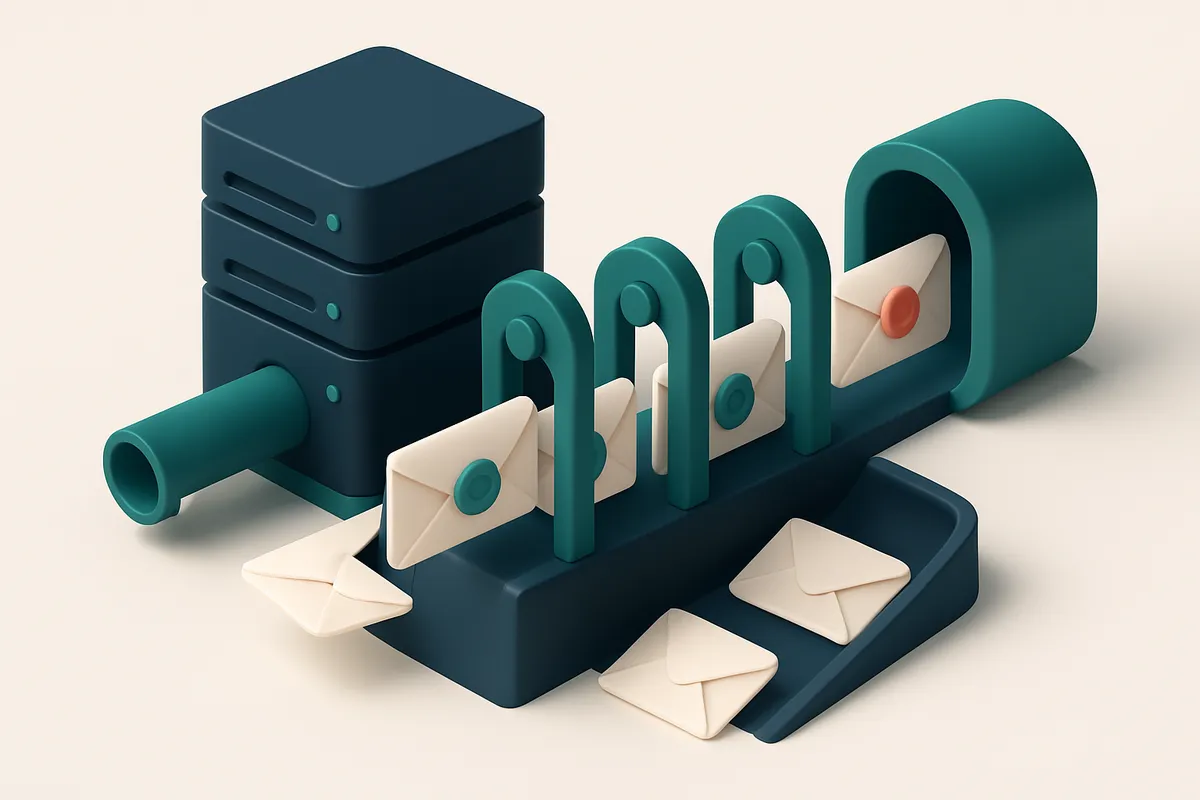
Why 60% of SaaS emails never reach the inbox
You send a welcome email. A renewal reminder. A product update. All verified. All scheduled. And still, somewhere between your server and the inbox, it vanishes.
It’s not a glitch. It’s not bad luck. It’s the reality of email deliverability for SaaS platforms—where even perfectly crafted messages fail to land because of spam filters, blacklists, or compliance gaps.
Email deliverability and CAN-SPAM compliance for SaaS platforms isn’t about sending more messages. It’s about sending the right ones, with the right signals, and the right structure—so they don’t get blocked before they’re even seen.
One misplaced header, a forgotten unsubscribe link, or an ignored reputation metric can put your entire outreach at risk. And when emails disappear, so do customers.
Key takeaways
- Deliverability issues are not about volume—most SaaS emails don’t reach the inbox due to configuration, reputation, or compliance failures.
- CAN-SPAM violations aren’t just theoretical; they can lead to fines, blacklisting, and lost trust with subscribers.
- Even low bounce rates don’t mean success—low inbox placement kills engagement and hurts conversions.
The two pillars of SaaS email success: deliverability and compliance
You can send the perfect message to millions of people—but if it never lands in the inbox, it’s pointless. Deliverability is the foundation. It’s not about volume; it’s about whether your email actually reaches the recipient’s mailbox.
Deliverability: The inbox is the goal
Every email sent faces technical hurdles: greylisting, catch-all addresses, invalid domains, and ISP filtering. These aren’t just inconveniences—they’re blockers. A single bounce or spam complaint can tank your sender reputation, reducing inbox placement over time.
Major email providers like Gmail, Yahoo, and Outlook use complex algorithms to assess sender trust. They look at engagement, authentication, sending patterns, and historical behavior. If you send to a list full of outdated or fake addresses, even legitimate content gets filtered.
Let’s be honest: you don’t need more bounces. You need fewer. Tools like bulk verification catch bad addresses before they hurt your deliverability. Real-time API checks during signup or onboarding can also prevent issues before they start.
Compliance: Avoiding the legal and spam traps
Deliverability and compliance aren’t separate. They’re tightly linked. The CAN-SPAM Act sets basic rules: include a working unsubscribe link, avoid deceptive subject lines, and identify the sender. Not following them risks fines and blacklisting.
You might think, “I’m not sending spam.” But if your messages are perceived as unwanted—even if they’re helpful—recipients mark them as spam. One study found that a single spam complaint can reduce inbox placement by 50% or more across major providers.
Compliance isn’t just about legality. It’s about respect. Every email you send should have a clear purpose, a visible opt-out, and a trustworthy sender identity. That includes proper SPF, DKIM, and DMARC setup—standard email authentication practices recommended by RFC 7208.
Ignoring compliance means risking reputation—and deliverability. A high bounce rate and spam complaints signal to ISPs that you’re unreliable. Even if your content is valuable, they’ll assume you’re a spammer.
The takeaway? You can’t focus on one over the other. Deliverability without compliance invites legal and technical failure. Compliance without deliverability means no one sees your message at all.
Think of it as a balance: send only when your list is clean, your infrastructure is secure, and your users have consented. That’s sustainable email at scale—especially for SaaS, where trust is currency.
CAN-SPAM compliance isn’t optional—it’s a technical requirement
Let’s be clear: CAN-SPAM isn’t just a legal formality. It’s a set of technical standards your SaaS must meet to send emails at scale. Ignore it, and you risk being blocked, flagged, or worse—fined.
The non-negotiables
- Every commercial email must include a valid physical address—no PO Boxes, no vague locations. This is required by law, not preference. It’s your point of accountability.
- You must include a one-click, working unsubscribe mechanism in every message. No gatekeeping. No multi-step forms. Users should be unsubscribed in one click, every time.
- Subject lines must be truthful. Misleading subjects, like “Urgent: You’ve won $10,000,” aren’t just deceptive—they’re a red flag to ISPs and enforcement tools like FTC.
- Content must not deceive. Don’t hide links behind fake buttons. Don’t misrepresent the sender or the purpose of the email. This is about integrity, not just compliance.
- When someone unsubscribes, you must honor that request within 10 business days. No exceptions. This is a strict deadline, not a suggestion.
Why compliance is a deliverability prerequisite
Even if your message passes technical checks, if it violates CAN-SPAM, your sender reputation will degrade. ISPs like Gmail and Outlook track compliance patterns. Repeated violations mean your emails get filtered into spam folders—or blocked entirely.
Here’s the hard truth: deliverability isn’t just about sending clean code. It’s about sending emails that behave. Compliance isn’t a checkbox. It’s infrastructure.
And yes, this starts before you send your first email. Clean lists are just as important as clean content.
- Use email verification to remove invalid, disposable, and role accounts before you send. These degrade your reputation and hurt deliverability.
- Verify sender infrastructure: SPF, DKIM, and DMARC records must be properly configured. A misconfigured domain breaks trust from the start.
- Test inbox placement with real email clients. An inbox placement report shows where your emails actually land—whether it’s the inbox, spam, or trash.
“The best email campaigns fail not from poor design, but from poor deliverability.”
Before you scale, verify your entire stack—from list quality to protocol setup. You can’t trust your deliverability if your list contains outdated or fake addresses.
Try it yourself with real-time verification: verify emails via our API or upload a list for bulk validation at bulk verification. Catch problems early—before they hurt your sender reputation.
How SPF, DKIM, and DMARC work together to build sender trust
Let’s be real: email deliverability starts with trust. For SaaS platforms sending at scale, you’re not just sending messages—you’re trying to convince inbox providers that your emails are legitimate. That’s where SPF, DKIM, and DMARC come in. They’re not optional extras. They’re the foundation of a sender reputation that actually holds up.
SPF: Your domain’s approved sending list
SPF tells receiving servers which mail servers are authorized to send email on behalf of your domain. Without it, anyone can claim to be you. It’s a simple list—like a guest list at a party—but it only works if you keep it updated and consistent across your infrastructure.
If your SaaS uses multiple sending services (like a transactional platform and a marketing tool), you need to include all valid IPs in your SPF record. But go too far, and you hit limitations—SPF has a 10 lookup limit. That’s where DKIM and DMARC step in to help.
DKIM: Ensuring the email is what it claims to be
DKIM adds a digital signature to every email. It’s like putting a tamper-evident seal on your message. Receiving servers check that signature to confirm the email wasn’t altered in transit and that it truly came from your domain.
This matters because hackers often modify content in transit—adding malicious links or impersonating your brand. DKIM prevents that. It’s not just about proving origin, it’s about proving integrity.
DMARC: The enforcement layer
DMARC is the rulebook. It tells receiving servers what to do if SPF or DKIM checks fail. You can set it to monitor, quarantine, or reject bad emails. A strict DMARC policy (like p=reject) signals to inbox providers that you mean business.
Most major providers—including Gmail, Yahoo, and Outlook—use DMARC to evaluate sender trust. If you’re not publishing a DMARC record, you're flying blind. And if your policy is set to p=none, you’re not doing much to protect your reputation.
Here’s the key insight: none of these three work alone. SPF alone can’t prove content integrity. DKIM alone can't stop spoofing. DMARC without the others is just a wish list. Together, they form a layered defense that proves you're serious about deliverability.
You can test your setup with tools like MxToolbox or look up the RFCs directly: SPF, DKIM, DMARC. But if you’re building a SaaS platform and want to verify your sending infrastructure at scale, real-time validation helps—especially across large lists. Bulk verification or our API can help identify issues early before they hurt your reputation.
Authentication isn’t a one-time setup. It’s a daily discipline.
For SaaS platforms, consistent authentication is non-negotiable. Skip one, and you risk inbox filtering, domain reputation damage, or even blacklisting.
The hidden toll of bad email hygiene on deliverability
You think your emails are sending fine—until they don’t. The real cost of a dirty list isn’t just a few bounced messages. It’s reputation damage that can take months to repair. Let’s talk about the kinds of addresses that quietly sabotage your inbox placement. Role-based emails—like admin@, support@, or sales@—are rarely active. Disposable domains are created for one-time use, then abandoned. And invalid addresses? They don’t exist, or they’ve been deprecated. Sending to any of these inflates your bounce rate. Bounce rate is one of the top signals mailbox providers use to judge sender health. Even a single spam trap in your list can trigger a blacklisting. These are real email addresses set up by spam monitoring services to catch mass senders who don’t clean their lists. Once your domain appears on one, ISPs begin flagging you as high-risk. It can take over 30 days to clear a blocklist, and some never fully recover. A list with as little as 20% invalid addresses can trigger reputation drops in under 72 hours. That’s fast. And since sender reputation is cumulative—built over time by consistent low bounce rates and high engagement—the damage compounds. One bad list can undo months of good sending.
Beyond bounces: how hygiene impacts sender reputation
Bounces themselves matter, but it’s not just about volume. It’s about intent. ISPs watch for patterns: sudden spikes in hard bounces, a high ratio of inactive recipients, or consistent engagement with disposable domains. These patterns suggest poor list management, not just bad luck. The same goes for list growth tactics. If you’re harvesting emails from public sources or using low-quality lead gen tools, you’re increasing the odds of catching role accounts, disposable addresses, and traps. This isn’t a “just clean it later” situation. Every message sent to an invalid or risky address costs you credibility. The fix isn’t guesswork. You need real-time, accurate filtering that detects invalid, risky, or low-intent addresses before they hit your outbound queue. Bulk email verification lets you clean lists before sending, reducing bounces and preserving sender reputation. It’s not just about removing bad emails—it’s about knowing which emails are worth your time.
Prevention is measurable
You don’t need to wait for deliverability to fail. The same systems that detect invalid addresses today also identify role-based and disposable domains. These aren’t theoretical risks—they’re operational ones that real senders face daily. A RFC 2821 standard defines how email servers accept or reject messages—but today’s deliverability depends more on behavior than syntax. A correct address isn’t enough. It has to be active, engaged, and willing to receive. Tools like real-time verification APIs let you validate addresses at point of entry. No more guesswork. No more wasted sends. Just cleaner data, lower risk.
Real-time verification reduces spam traps and invalid addresses
You don’t want to send emails to addresses that can’t receive them — or worse, to ones that trigger spam traps. Every invalid email in your list risks hurting your sender reputation, increasing bounce rates, and pushing your messages into the junk folder. Let’s be clear: no amount of good content or perfect timing fixes a bad list.
Check the basics before you send
Before you send even one campaign, run every address through a real-time verification system. This means checking for basic format errors (like missing @ signs or double dots) and using SMTP-level validation to confirm the domain actually accepts mail. Catching misspelled addresses or malformed emails early stops bounces before they happen. Most SaaS platforms handle this at scale. You can verify hundreds of addresses in minutes — even tens of thousands — with tools that combine pattern matching, domain reputation checks, and live SMTP connections. The result? A cleaner, safer list with fewer risks.
How Emaillistchecker.io helps
Emaillistchecker.io verifies 98.9% of addresses with precision, using multiple layers of validation. It catches typos like “gamil.com,” blocks disposable email domains (like tempmail.org), and flags role-based addresses — “admin@,” “support@,” “info@” — that are high-risk for deliverability due to low engagement and high bounce rates. It also identifies catch-all domains, which accept any email address even if it’s not registered. Sending to those can hurt your sender reputation if your message is ignored or marked as spam. These are invisible traps most tools miss — but not Emaillistchecker.io’s full-stack validation. The best part? You can do this at scale with bulk verification or integrate verification in real time via API. Either way, the list stays clean before it ever hits your ESP. With real-time verification, you’re not just improving deliverability — you’re reducing the number of emails that end up in spam traps or trigger blacklists. Spamhaus and other blocklist providers track sender behavior across domains, and a list with too many invalid or disposable addresses can get you flagged quickly. You don’t need a perfect list to start, but you do need a clean one to scale. That’s why integrating verification early — before you send — is non-negotiable. See how bulk verification works or check the real-time API integration to keep your workflows smooth. You can start with 100 free verifications — no expiration, no risk.
How inbox-placement testing simulates real delivery conditions
Let’s be honest: sending emails doesn’t guarantee they’ll land in the inbox. Even with clean lists and proper authentication, your message might end up in spam, or worse—never arrive at all. That’s where inbox-placement testing comes in. It’s not just about sending one email and checking the logs. It’s about simulating real-world delivery conditions across actual user inboxes.
Testing across real inboxes, not just servers
You’re not testing delivery—you’re testing perception. Inbox-placement tests send real campaign emails to inboxes hosted by Gmail, Yahoo, Outlook, and other major providers using actual accounts. These aren’t test addresses with known behaviors. They’re real user inboxes with live filtering, machine learning, and spam detection engines actively scanning for patterns. If your email gets flagged, you’ll know before your campaign launches. This matters because every provider has different thresholds. Gmail trusts verified senders with strong sender reputation, while Outlook prioritizes engagement signals. Yahoo still treats open rates as a key metric. Running tests across 10+ providers helps you see where your content ranks—inbox, spam, or junk—before you send.
Test early, test often
Running tests 3–5 days before launch gives you time to respond. A failed test isn’t a “maybe,” it’s a signal. It could mean your subject line triggers spam filters, your sender IP is under suspicion, or your content structure looks like a phishing attempt. Catching this early prevents wasted sends and broken trust. You can test both your content and your technical setup—header authentication, link safety, image-to-text ratio—because real inboxes don’t care about SPF records. They care whether your email feels authentic. Tools like Mail-Tester and MxToolbox offer basic checks, but true inbox placement requires actual delivery into real user accounts. That’s what Emaillistchecker.io’s inbox placement test delivers. It runs across multiple providers, showing you exactly where your emails land. It’s not about making a quick win. It’s about building reliability. If your email consistently lands in the inbox on test runs, you have a real chance at deliverability on launch day. The goal isn’t just to pass filters—it’s to be trusted. RFC 8314 outlines best practices for sender reputation and inbox filtering behavior, reinforcing that deliverability isn’t just technical—it’s behavioral. Your email’s success depends on how real people interact with it. To get started with inbox placement testing, see how Emaillistchecker.io runs real campaigns across 10+ providers: inbox placement test.
Integrations that automate deliverability hygiene
Let’s face it: sending emails without verifying your list is like sending packages to addresses you’ve never confirmed. For SaaS platforms, that’s a fast track to spam traps, bounces, and damaged sender reputation.
Turn your email workflow into a self-cleaning system
- Connect Emaillistchecker.io directly to Mailchimp, HubSpot, Klaviyo, or SendGrid. This isn’t just a sync—it’s a data gatekeeper. Every list gets verified before it leaves your platform.
- Automatically clean email addresses when users sign up. No more manual scrubbing. Invalid, role-based, or disposable emails? Caught and filtered in real time.
- Run pre-send verification on every campaign. You’re not guessing if your list is healthy. You’re acting on verified results before a single message goes out.
Keep deliverability strong with consistent hygiene
Spam filters notice patterns. If your SaaS sends 10,000 emails and 20% bounce, that’s a red flag—even if you’re not a spammer.
According to the RFC 8058 standard, consistent email hygiene is a foundational element of sender responsibility. Automated verification isn’t optional; it’s how responsible senders maintain inbox placement.
- Use the real-time verification API to validate addresses as part of your signup or onboarding flow. No delays. No extra clicks.
- Run bulk verification campaigns through Emaillistchecker.io’s bulk tool to clean old lists at scale—especially useful during audits or before large outreach campaigns.
- Test inbox placement outcomes before you launch. Inbox placement reports show where your emails land—inbox, spam, or blocked—so you can adapt before the damage is done.
Your compliance with CAN-SPAM isn’t just about the unsubscribe link. It’s about ensuring that every email you send has a real address, a real user, and a real chance of landing where it should.
Automated hygiene means you don’t have to pick between growth and reputation. You can scale your outreach without increasing your deliverability risk.
Check your sender reputation with inbox placement and bounce monitoring
Let’s be honest: you can’t assume your emails are landing in inboxes. Even with perfect timing, content, and design, delivery depends on the technical health of your sending infrastructure. You need real-world confirmation.
Inbox placement tests show where your emails actually land
Running inbox placement tests gives you a clear picture: are your messages reaching inboxes, getting flagged as spam, or being blocked outright? These tests simulate real email clients and filters using a sample of known domains like Gmail, Yahoo, Outlook, and Apple Mail. You can run these tests before sending a campaign, and again after, to track changes in your sender reputation over time.
Platforms like Spamhaus and MxToolbox provide real-time feedback on whether your IP or domain is blacklisted. But only inbox placement testing shows whether your message is being accepted—and trusted—by the receiving systems. It’s not enough to be “not on a blocklist”; you need to be in the inbox.
With inbox placement testing, you can detect early warning signs: rising spam scores, low inbox deliverability rates, or unexpected rejections. Fix those signals before they escalate.
Bounce and complaint monitoring prevent deliverability drops
Every email has a lifecycle. When it fails to deliver, it generates a bounce. Hard bounces (permanent failures) signal invalid or non-existent addresses. If they exceed 2%, it’s a red flag for your sender reputation. Many email receivers will throttle or block senders with sustained high bounce rates.
Let’s not wait for thresholds to break. Monitor bounce rates weekly. Automate checks so you catch sudden spikes. A 5% hard bounce rate over 24 hours? That’s a signal to clean your list immediately.
Spam complaints are even more damaging. Even one complaint can hurt your standing with Gmail or Yahoo. Keep a close eye on complaint volume. If a single message generates multiple complaints, something’s off—whether it’s timing, content, or sender identity.
Set up alerts in your email platform or use a service like our real-time verification API to flag hard bounces, spam complaints, or sudden spikes automatically. Catching issues early keeps your domain healthy and your inbox rates stable.
Why 98.9% email verification accuracy matters for SaaS compliance
Let’s talk about what happens when your SaaS sends to an email address that doesn’t exist. It’s not just a wasted send — it’s a red flag to inbox providers and spam filters. High-accuracy verification cuts that risk at the source.
Invalid addresses hurt deliverability — and compliance
Every invalid email you send increases your bounce rate. A high bounce rate doesn’t just hurt inbox placement — it signals poor list hygiene to providers like Gmail and Outlook. And poor hygiene can trigger compliance scrutiny under CAN-SPAM, especially if your list includes addresses that weren’t opted in or are no longer valid.
98.9% accuracy means you’re catching the vast majority of invalid addresses before they ever hit your outbound queue. That directly reduces hard bounces and improves your sender reputation over time.
Role emails degrade sender reputation
Role addresses like admin@, sales@, or support@ are often flagged by providers. They’re associated with high volumes of bulk sends, auto-responders, and low engagement. Sending to these can silently hurt your long-term deliverability — even if they’re technically "valid."
Our verification process identifies and filters out role addresses by default. This means fewer low-value sends and fewer signals that your SaaS is sending untargeted or unengaged content.
Even if an address is technically live, a role email often doesn’t represent a real decision-maker. Sending to it doesn’t improve engagement — and it can hurt your domain reputation over time.
Better list hygiene leads to better inbox placement. That’s why email verification isn’t just a technical step — it’s an enforcement tool for compliance and deliverability.
You’re not just cleaning your list. You’re aligning with industry standards: authentic engagement, verified addresses, and consistent sending behavior. These are requirements in spirit, even if not spelled out in every legal clause.
For a real-time, automated solution, try the email verification API or use bulk verification to audit your existing lists. It’s not a substitute for permission, but it’s a critical layer of protection against non-compliant sending.
Remember: the goal isn’t just to avoid bounces. It’s to send only to addresses that are likely to engage, respond, and stay in your inbox. That’s how deliverability and compliance stay aligned. Test inbox placement after verification to see the difference in real-world delivery.
The long-term benefit: trust, engagement, and revenue
Email deliverability and CAN-SPAM compliance aren’t one-off tasks. They require consistent attention across list hygiene, authentication, and sender behavior.
Over time, clean lists and proper authentication reduce bounces, improve inbox placement, and help maintain sender reputation. This builds trust with both inbox providers and users.
Results that last
- Higher engagement from users who expect relevant content.
- Lower churn and improved retention due to consistent, reliable delivery.
- Increased customer lifetime value driven by predictable communication.
When SaaS platforms treat deliverability and compliance as ongoing priorities, they turn email into a sustainable growth channel.
Keep reading
- Email compliance: CAN-SPAM, GDPR, HIPAA and consent (complete guide)
- The Importance of Privacy Policies in Email Services
- Custom Email Verification Pricing for Regulated Crypto Exchanges
- How to Ensure DMARC Policy Doesn’t Block Legitimate Emails
- Best Practices for CAN-SPAM Compliance in Newsletter Campaigns
Ready to put this into practice? Emaillistchecker.io verifies emails with 98.9% accuracy — start with 100 free verifications.
Frequently asked questions
What happens if my SaaS email violates CAN-SPAM?
You risk fines up to $43,792 per violation and can be blacklisted by mailbox providers. Reputation damage may persist for months.
How often should I verify my SaaS email list?
Verify every list before sending. For active user bases, run verification monthly or after major onboarding surges.
Can disposable email domains harm my sender reputation?
Yes—receiving providers treat many disposable domains as spam sources. Sending to them increases complaint rates and harms reputation.
What’s the difference between hard and soft bounces?
Hard bounces indicate permanent errors (invalid address). Soft bounces are temporary (full inbox). Both hurt reputation if frequent.
How does inbox placement testing improve deliverability?
It shows whether your email lands in the inbox, spam, or is blocked. Fixing delivery issues before launch increases long-term success.
Does Emaillistchecker.io check for spam traps?
Yes—via validation of historical data patterns, domain age, and known trap indicators. High-risk addresses are flagged as risky.
Can I test deliverability before sending to my entire list?
Yes—use inbox placement testing to send messages to real, live inboxes across major providers before full deployment.
How do role accounts affect deliverability?
They’re often ignored or flagged. High proportions of role emails (e.g., info@, support@) signal poor list hygiene, risking filter penalties.
What’s the benefit of integrating with HubSpot or Mailchimp?
Verification happens automatically during onboarding and campaign sends. No extra steps—clean data flows into your workflow.
How do I know if my domain is blacklisted?
Check via Spamhaus, MxToolbox, or use Emaillistchecker.io’s domain check tool. Blacklisting prevents emails from being delivered.
Is real-time verification faster than bulk checks?
Real-time API verification is faster for individual checks during signup. Bulk verification is better for cleaning large lists.
Why does Emaillistchecker.io claim 98.9% accuracy?
It’s based on consistent validation across SMTP, format, domain, and reputation checks. Accuracy is tested against known email lists and real-world results.