
Removing Email from Blacklists: Step-by-Step Guide
Learn how to remove email from blacklists and improve deliverability. Step-by-step guide to get back to the inbox.
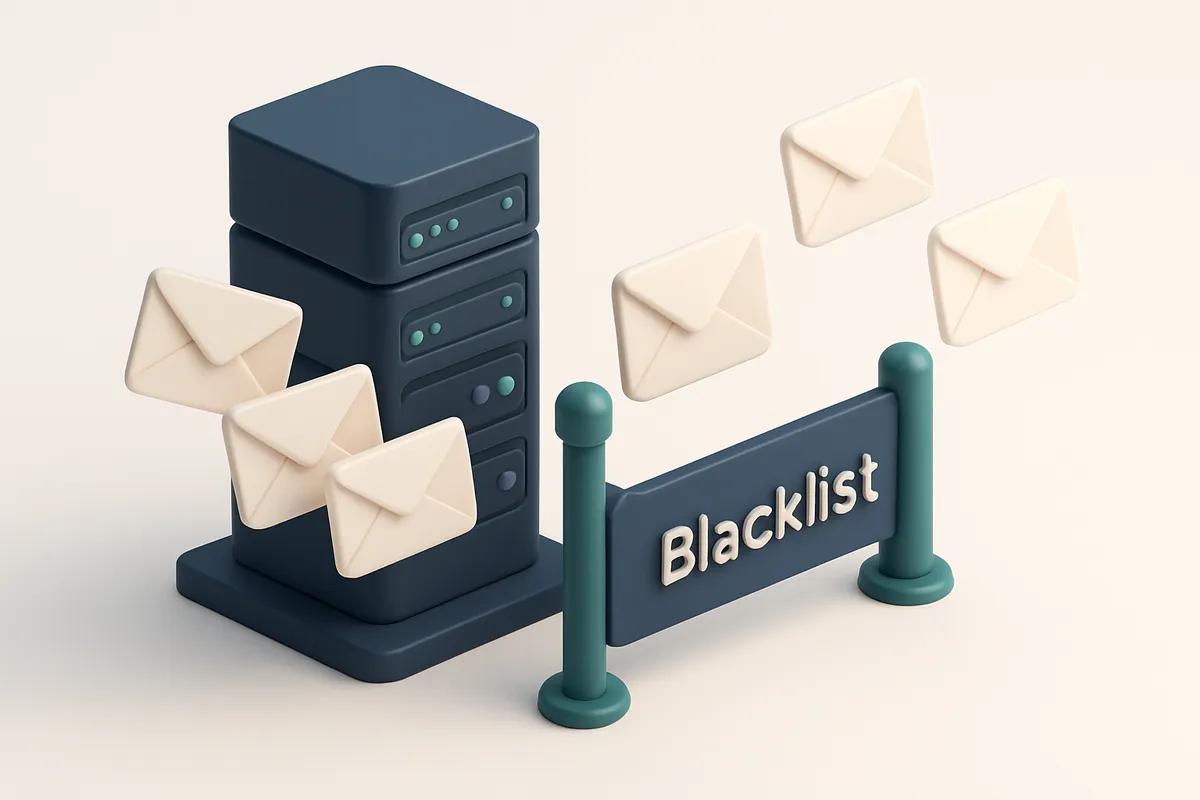
Understanding Blacklists and Their Impact
You're finally reaching out to what seems like a promising audience, but instead of thank you notes, you're getting bounced emails. What's happening here? There's a good chance you've hit a blacklist. Email blacklists act like barriers, blocking your messages from ever reaching their intended destination.
In the digital world, being blacklisted can severely damage your email deliverability and sender reputation. Think of it as having your digital ID flagged, affecting how email servers perceive you. The journey to removing email from blacklists begins with understanding how they operate and the consequences they carry. This article will explore the mechanics behind email blacklists, the potential causes for landing on one, and the steps you can take for recovery.
Key takeaways
- Email blacklists block unwanted message senders from reaching inboxes.
- Being blacklisted harms your sender reputation and deliverability rate.
- Triggers for blacklisting include high complaint rates and sending to invalid addresses.
Identifying If You're On a Blacklist
Understanding your email deliverability issues starts with knowing if your domain or IP is blacklisted. Let's break down how you can identify this step-by-step and what it means for your email campaigns.
Major vs. Minor Blacklists
Not all blacklists carry the same weight. Major blacklists like Spamhaus and Barracuda can significantly impact your email delivery rates. Emails routed through IPs on these lists are likely to face heavy scrutiny or outright rejections. Meanwhile, minor blacklists might impact you differently, often limited to specific regions or smaller ISPs.
- Gather the Right Tools: First, equip yourself with the proper tools. Platforms like MXToolbox or UltraTools allow for comprehensive blacklist scans.These tools will help you quickly determine if you're on any major or minor blacklists. Knowing where you stand is crucial to planning your next steps.
- Run a Domain and IP Check: Use these tools to check both your domain and IP. Email blacklists can target either, impacting your sender reputation.Since IP blacklists often hit email service providers, while domain-based lists might target individual senders, checking both is vital for a full picture.
- Analyze Blacklist Categories: Different blacklists use various criteria to list you. Understanding whether you're on a general blacklist or a more niche one such as a 'behavioral' blacklist will guide how you address the issue.Behavioral blacklists often flag IPs or domains based on email sending habits, requiring different remediation from those based on spam trap hits.
Focus on Major Blacklists First: If you're listed, prioritize resolving issues on major blacklists like Spamhaus.
Major blacklists have the most significant effect on global deliverability, making them your first target for delisting.
If you find yourself on a blacklist, tools such as email verification services can help you clean your list, reducing the chances of falling into these traps again.
Consistency is key. Regularly checking your domain's reputation will keep you proactive, rather than reactive, in maintaining healthy delivery rates across all your email campaigns.
Steps to Remove Your Email from Blacklists
Understand the Blacklist Criteria
Before diving into removal, recognize why your emails got blacklisted. Most often, it’s due to perceived spam activity or poor sender reputation. An informed approach saves time when you contact administrators.
Contact Blacklist Administrators Directly
- Identify the Blacklist: Check your blacklist status on sites like MXToolbox or Spamhaus. These resources will reveal where your email is flagged.
- Gather Information: Clearly document your IP or domain currently flagged. Keep a record of recent mailing activities and any corrective actions taken. Transparency is crucial; administers need these details to evaluate your case.
- Request Removal: Visit the blacklist administrator’s site, and use their removal request form. It’s often located under their support or contact sections. Explain your situation factually, without emotion.
- Provide Necessary Documentation: Share evidence of permission-based marketing practices, such as opt-in processes or subscriber lists, when applicable. This demonstrates your commitment to proper email protocols.
Bear in mind, removal isn’t immediate. Patience and thoroughness play key roles in the process getting resolved favorably.
Monitor Your Status
- Follow Up: After submission, check the status periodically. Blacklist administrators may not notify you directly, so ongoing vigilance is required.
- Verify Email Hygiene: If issues persist, leveraging services like our bulk verification can ensure your list quality remains high, reducing future blacklist risks.
- Review Deliverability Metrics: Use tools to assess email deliverability over time. Monitoring sender reputation and engagement can preempt potential blacklist issues. Learn about our inbox placement testing for deeper insights.
The blacklist removal process is gradual. Consistent monitoring and proactive practices aid in maintaining a healthy sender reputation and keeping your emails landing in inboxes, not spam folders.
A proactive approach to email hygiene and continuous monitoring is your best defense against repeated blacklisting.
By following these steps earnestly, you can better navigate and rectify issues, ensuring effective email communication. For more strategies to keep your communication streamlined, consider exploring the resources EmailListChecker.io offers for ongoing email success.
Improving Email Deliverability After Removal
Finding yourself on a blacklist can be a wake-up call. Once you've managed to remove your email from a blacklist, it's crucial to ensure your emails land in inboxes rather than spam folders. Here's how you can improve email deliverability after removal.
Gradual IP Warm-Up
Once you're off the blacklist, you'll want to ease back into sending emails. A sudden surge of emails from a previously blacklisted IP can trigger spam filters. To navigate this, adopt best practices for warming up your IP:
- Start with small batches of emails to your most engaged subscribers. This signals to email providers that your emails are wanted.
- Gradually increase your volume over weeks, not days. Patience is key to avoiding repeat blocks.
- Keep your content relevant and personalized to maintain engagement rates.
SendGrid provides a detailed guide on IP warming practices you might find useful.
Ensure Correct Configuration of SPF, DKIM, and DMARC
Technical configurations like SPF, DKIM, and DMARC form the backbone of your email's validity and trustworthiness:
- SPF: Specify which IP addresses can send emails on your behalf to help reduce spoofing.
- DKIM: Attach a domain-based signature to your emails, certifying them as legitimate.
- DMARC: Align your SPF and DKIM policies and set instructions for handling unverified emails.
Implementing these correctly is like setting stable foundations for your sender reputation. Need help with inbox placement? Check out our tools.
Regularly Check and Maintain Sender Reputation
Your sender reputation dictates how email providers perceive your messages. Monitoring and maintaining a healthy reputation is ongoing, not a one-time fix:
- Use tools to track your reputation score and identify issues before they lead to more blocks.
- Avoid spam-trigger words and ensure your content is clean and professional.
- Keep an eye on your bounce rates. High bounces can signal problems with your list integrity.
Blacklists are often the result of bad list hygiene. Regular verification with solutions like bulk verification can prevent bounces and bolster your reputation.
Emaillistchecker.io says: "Quality over quantity; a smaller, verified list outperforms a vast, unchecked one every time."
Following these guidelines will not just recover, but enhance your deliverability over time. Remember, prevention is as important as cure. For more insights, explore the fundamentals behind SPF (RFC 7208) and bolster your sender framework.
Preventing Future Blacklist Incidents
Recovering from a blacklist can be challenging, but preventing future incidents is where your efforts will pay off. One cornerstone strategy is maintaining list hygiene through regular email verification. When email addresses go unverified, bounces increase, and you risk tarnishing your sender reputation. This can lead to more blacklist issues. By utilizing verification services, you can mitigate this risk and ensure only valid emails receive your messages.
Implement Real-Time Verification
To further enhance list accuracy, consider integrating real-time verification into your email collection processes. With EmailListChecker.io's API, you have the tool to verify emails as they're added. This dynamic solution intercepts invalid or temporary emails before they make it onto your list, so you only send to addresses that are likely to engage productively.
Why is this critical? Real-time verification reduces the chance of sending emails that will bounce or be marked as spam. This protects your domain's reputation, keeping you off undesirable blacklists. If you're adding new subscribers through a form on your website, an API can rapidly sort out valid entries from problematic ones.
Smarter Sending Practices
Beyond verification, understanding what triggers spam filters can help you avoid future blacklisting. Spam filters are designed to catch emails that appear mass-generated or manipulative. By tailoring your email content and frequency, you can reduce your likelihood of triggering these filters. Ensure that your emails provide genuine value and customization that reflects the preferences of your audience.
Be vigilant about the volume of emails you send. According to Spamhaus, uncontrolled email volume spikes can alert anti-spam systems, leading to potential blacklists. Moderating your email sends can help you stay under the radar of these systems.
Education plays a key role here. Stay updated on what spam triggers look like and adjust your campaigns accordingly. Engaging with trusted industry resources, such as articles on best practices from Mailchimp, can provide insights that keep you informed.
Consistent verification and educated sending practices create a safeguard against future blacklist incidents.
By integrating these practices, you're not just protecting your emails, but also the reputation that supports your brand's communication efforts. Invest in verification tools like EmailListChecker.io's bulk verification and use them diligently. Adopting these strategies intelligently and proactively helps secure your place in the inbox, not the spam folder.

Role of Spam Filters in Email Deliverability
Understanding Spam Filters
Spam filters are the digital gatekeepers of your inbox. They scrutinize incoming emails to decide whether they are welcome visitors or unwanted intruders. These filters assess various factors such as the sender's domain, IP reputation, email content, and header information. While some rules are clear, others rely on complex algorithms that learn and adapt over time.
Most spam filters flag emails based on certain triggers. These include suspicious subject lines, excessive use of images, lack of text, or attachments commonly associated with malware. Knowing what these triggers are can help you craft emails less likely to be flagged. You can find a more comprehensive list of what spam filters flag in documentation from credible sources like Spamhaus.
The Interplay Between Blacklists and Spam Filters
It's crucial to understand how spam filters and blacklists interact. Blacklists focus on known spammers, identifying IP addresses or domains that have sent a high volume of unwanted emails. When your email lands on a blacklist, spam filters are more likely to quarantine your messages.
Spam filters rely on blacklists as one of many factors when determining an email's fate. For example, a message from an address on a prominent blacklist like SpamCop might face automatic filtering. Removing your email from these blacklists requires diligent monitoring and compliance with accepted email-sending practices. Our bulk verification services can aid in maintaining a cleaner list.
Clarifying Misconceptions About Spam Filters
There's a common misconception that spam filters have rigid, unchangeable rules. In reality, their algorithms are dynamic and constantly evolving. This means best practices today might require adjustments tomorrow. Filters are designed to catch bad actors, but they sometimes flag legitimate messages due to false positives.
Another misconception is that all spam filters are created equal. The truth is, each email service provider (ESP) has its own unique set of criteria. Learning and adapting to these different systems can significantly boost your email deliverability. Ensuring consistent engagement, clean email lists, and strong authentication protocols can help maintain your sender reputation across these varied systems.
Email deliverability is as much about understanding algorithms as it is about engagement. Use insights from spam filters to refine your strategy.
If you're looking to optimize how your emails interact with these filters, consider exploring our inbox placement service for detailed insights and recommendations. Understanding the interplay of these systems will prepare you to handle deliverability challenges smartly and effectively.
Conclusion: Ensuring Reliable Email Communication
Removing your email address from blacklists is essential for maintaining effective communication. Addressing the root causes, such as spam complaints or sending behavior, is a critical first step. Regularly monitor your sender reputation and adjust practices to avoid future listings.
Implementing proactive deliverability strategies can prevent these issues from recurring. Regular verification of your email lists, monitoring authentication protocols, and ensuring you're following email best practices are foundational elements of a strong email strategy.
Keep reading
- Deliverability, blocklists and sender reputation (complete guide)
- Prevent Inbox Placement Issues for Mortgage Marketing Emails
- Email Deliverability Tips for Telecom Providers Using Third-Party Lists
- Enhancing Secure Contact Forms for Better Deliverability
- Why Email Deliverability Is Critical for Travel Campaign Performance
Keep reading
- Send Email from Excel: How to Do It Right
- Email Campaigns from Excel Made Reliable
- Compare Sending Email from Excel with Top Tools
- Protect E-Commerce Sites From Fake Email Registrations
Ready to put this into practice? Emaillistchecker.io verifies emails with 98.9% accuracy — start with 100 free verifications.
Frequently asked questions
How do I know if I'm on an email blacklist?
Use online tools to check major blacklists with your domain or IP. Monitor bounce messages for clues.
What causes email blacklisting?
Common causes include sending unsolicited emails, high bounce rates, or spam complaints.
How long does it take to remove a blacklist entry?
It varies by blacklist; some may respond in days, others might take weeks.
Can EmailListChecker.io prevent blacklisting?
While no tool can guarantee against blacklisting, EmailListChecker.io helps maintain list hygiene, reducing risks.
What is sender reputation?
It's a score assigned to your sending domain or IP, affecting email delivery based on your sending behavior.
Why does IP warming matter?
Gradually increasing the volume of emails sent from a new IP builds its reputation with email providers.
What's the role of SPF, DKIM, and DMARC?
They are email authentication protocols that verify the sender's identity and protect against spoofing.
Does email verification improve deliverability?
Yes, verifying emails reduces bounces and builds sender reputation, thus improving deliverability.
Can I be blacklisted for forwarded emails?
Forwarding can cause blacklisting if the mails are flagged as spam, affecting the forwarding server's reputation.
How does blacklist removal affect spam filters?
Removal improves reputation but filters may still flag based on content, sending patterns, or recipient behavior.