
How a Domain Blacklist Checker Boosts Email Success
Maximize deliverability and reduce bounce rates with a domain blacklist checker. Ensure email success every time.
Why Domain Blacklist Checking is Crucial
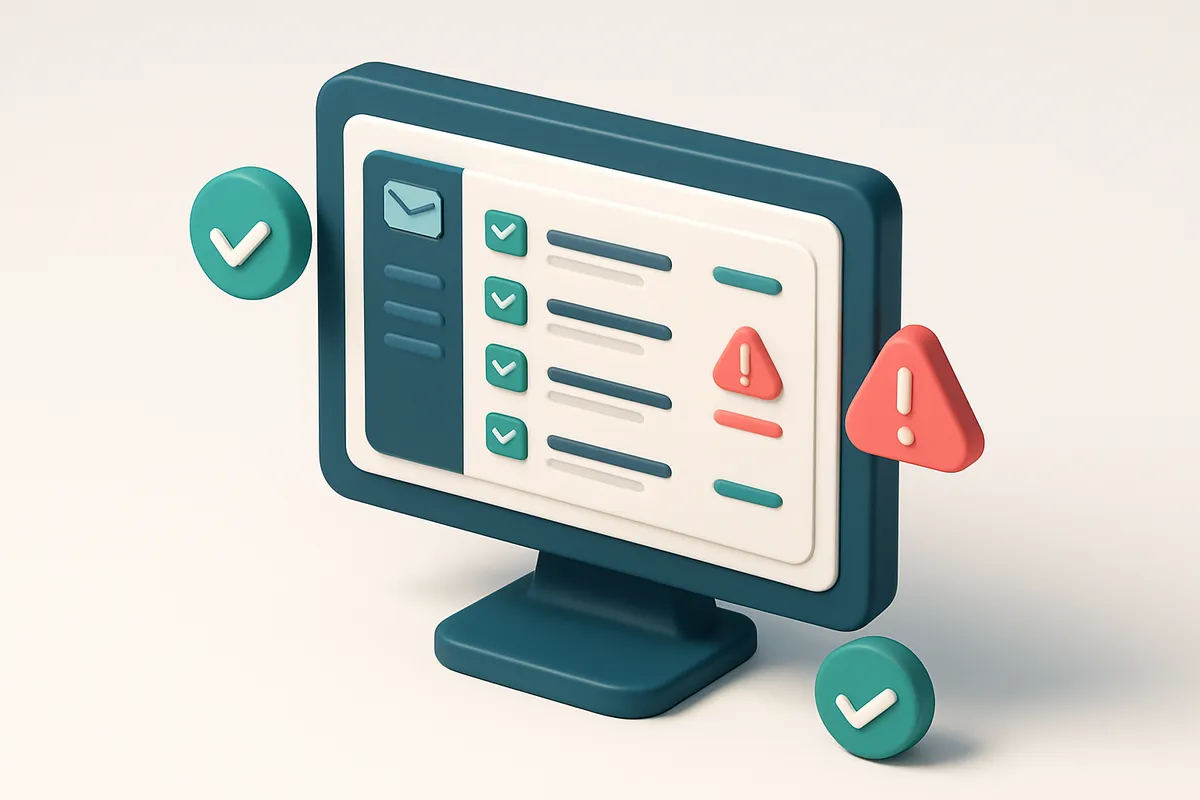
Have you noticed your emails not getting the attention they deserve? Imagine spending resources crafting emails, only to find many of them are landing in the "Spam" folder. This frustrating scenario often points to a hidden issue: your domain might be on a blacklist.
A domain blacklist is essentially a list that blocks certain domains from reaching inboxes, typically due to spam reports or suspicious activity. Being on a blacklist severely impacts your email deliverability, meaning fewer emails hit inboxes and more are wasted. If unchecked, this can lead to significant financial losses, as your email campaigns become less effective.
This blog will delve into why regularly checking if your domain is blacklisted is vital for maintaining good deliverability standards. We'll explore the implications of being blacklisted and how it affects your bottom line.
Key takeaways
- A blacklisted domain can drastically reduce email deliverability.
- Reduced deliverability hits your email marketing ROI hard.
- Regular checks can help you stay off domain blacklists.
What is a Domain Blacklist Checker?
A domain blacklist checker is a tool designed to assess whether a particular domain is listed on any email blacklists. Being on a blacklist can severely impair your email deliverability. Emails from blacklisted domains are often flagged as spam or blocked entirely. These tools help you proactively monitor your domain’s reputation, ensuring that your emails reach their intended recipients.
Key Features of Blacklist Checking Tools
Blacklist checking tools typically offer various features to help you maintain a clean domain reputation. Firstly, they scan multiple databases of known blacklists to check if your domain appears on any, providing real-time results. This can help in swiftly addressing any issues before they affect your email campaigns.
Many of these tools also include detailed reports and alerts. This means if your domain does get blacklisted, you'll receive prompt notifications, along with a detailed explanation and steps to resolve the issues. For instance, some blacklist checkers will advise on securing your server settings or refining your email practices to avoid future listings.
For a comprehensive solution, you might consider platforms that integrate blacklist checking with other email verification services. By using a service that extends beyond domain checks to include verifying individual email addresses, you reduce the risk of sending emails to invalid accounts. This is where bulk verification can be beneficial, allowing you to clean up your entire list and boost deliverability scores.
Integration with Email Verification Services
Domain blacklist checkers often work in tandem with broader email verification solutions. When integrated into a service like Emaillistchecker.io's verification API, you gain a layered approach to email protection. Combining validation of email addresses with domain blacklist checks can significantly reduce bounces and keep your domain's status clean.
Moreover, ensuring your domain isn’t blacklisted is critical when aiming for high inbox placement rates. Many email verification services, such as Emaillistchecker.io’s inbox placement testing, already incorporate blacklist checks to give you a comprehensive look into your email deliverability health.
Checking your domain against blacklists is more than a precaution; it’s part of a proactive strategy to maintain a healthy sender reputation. By continually monitoring and addressing potential issues, you ensure your emails consistently land in inboxes, instead of collecting dust in spam folders.
Being proactive about domain blacklist checking isn’t just about protection—it’s about maintaining a steady path to the inbox.
For more detailed guides on how domain blacklist checkers integrate with broader email verification efforts, exploring the robust services provided by platforms like Emaillistchecker.io offers both assurance and comprehensive functionality. Understanding the role of each feature allows you to make informed decisions, fostering a reliable email sending experience.
When you're ready to ensure your emails reach their destination, look for services that tie these elements together effectively—because in email deliverability, each detail counts.
The Relationship Between Blacklists and Bounce Rates
Email blacklists are a critical concern for anyone managing email campaigns. When your domain lands on a blacklist, your emails risk getting blocked by receiving servers. This blockade leads to higher bounce rates, where the intended emails never reach their destination. Missteps like sending to unknown or spam-trap addresses can get you listed, and once you’re on one, many email servers will refuse to accept your messages.
How Blacklists Cause Bounces
Blacklists operate like an alert system for ISP mail servers. Once you’re flagged, these servers are programmed to reject emails from the listed domains outright. This rejection directly increases your bounce rate because your emails are not just ignored — they're bounced back. The servers protecting email inboxes use blacklists as a preemptive defense against spam.
When you send campaigns, even a small percentage of blacklisted addresses can lead to a significant increase in your bounces. Therefore, keeping an eye on your domain’s blacklist status can save you from these unnecessary and costly bounces.
The Rippling Impact on Campaigns
High bounce rates don’t just waste resources; they can harm your sender reputation, leading to more serious delivery issues. ISPs consider a domain's bounce rate as a quality indicator of the email sender. A poor reputation can mean your future emails might suffer from inbox placement issues, even if your domain gets removed from a blacklist later.
Avoiding blacklists and maintaining a low bounce rate is crucial to ensuring your emails are delivered effectively.
Monitoring your email metrics regularly helps identify patterns or sudden changes in bounce rates. Tools that integrate multiple monitoring functions, like inbox placement testing, can provide insights into how your emails fare once they hit the send button.
Monitoring and Reducing Bounce Rates
Prevention is key. Utilizing a bulk verification service can significantly minimize your risk by cleaning your list of invalid or risky addresses. This process can screen out addresses that might contribute to blacklisting and bounces.
Apart from verification, tracking your sender reputation and domain status using domain blacklist checkers ensures you're aware of any issues quickly. Regularly updating and cleaning your email list will significantly reduce the chances of getting blacklisted.
For continuous monitoring, employing a real-time verification API can automatically verify addresses as they’re added to your list. This dynamic approach ensures you're maintaining a clean list right from the start, protecting your campaigns from potential bounce rate spikes.
Maintaining low bounce rates and a good sender reputation requires vigilance but pays dividends in delivering your emails where they need to go. By combining blacklist monitoring, list verification, and real-time checks, you can effectively manage and reduce bounce-related losses.
Ultimately, addressing the components that lead to blacklists and bounces ensures your email campaigns remain efficient and effective. For deeper insights into how blacklists influence email deliverability, the Messaging, Malware and Mobile Anti-Abuse Working Group (M3AAWG) offers a well-regarded resource library.
Improving Email Reputation with Blacklist Checks
Your email reputation isn't just about your content — it's also crucial in determining whether your emails reach the inbox or detour into spam folders. When your domain ends up on a blacklist, it can severely impact your sender reputation. This makes regular blacklist checks an essential part of maintaining a healthy email practice.
Understanding the Role of Blacklist Checks
Blacklist checks provide a snapshot of your domain's standing within the email ecosystem. They work by scanning various blacklists to see if your domain or IP address appears on any of them. If your domain is listed, it might mean you're considered a source of spam. This can result from anything from sending unsolicited emails to being hacked without your knowledge.
Running regular checks lets you catch issues before they escalate, allowing you to address potential problems, such as compromised accounts or poor list hygiene, before they damage your reputation further. It's advisable to conduct these checks periodically or whenever you notice a sudden drop in your email metrics.
Strategies to Improve and Maintain Email Reputation
Blacklist monitoring is just one part of the equation. To truly safeguard your sender score, consider these strategies alongside regular checks:
First, ensure good list hygiene. Remove invalid addresses before they start bouncing and affecting your reputation. Tools like our bulk verification can streamline this process, providing accurate verification at scale.
Second, focus on engagement metrics. Encourage recipients to open, read, and interact with your emails. This positive engagement indicates to ISPs that your emails are wanted, enhancing your reputation over time.
Third, adopt authentication protocols. Implement Sender Policy Framework (SPF), DomainKeys Identified Mail (DKIM), and Domain-based Message Authentication, Reporting & Conformance (DMARC). These authenticate your emails and prove to ISPs that you're a legitimate sender. You can find detailed resources on these protocols in resources from dmarc.org.
“Your sender reputation is a reflection of how trustworthy your emails are considered by Internet Service Providers.”
Lastly, stay informed with current trends and best practices through trusted sources such as the Validity Email Deliverability Guide. Continually adapting and updating your strategies ensures that you meet evolving security standards and ISP expectations.
In summary, while blacklist checks alert you to immediate threats, sustaining a strong reputation requires a holistic approach. By incorporating verification, robust engagement, and authentication strategies, you help ensure your emails are both delivered and welcomed in inboxes.
Key Features of a Reliable Domain Blacklist Checker
Real-Time Monitoring Capabilities
If you're managing email campaigns, catching blacklist issues as they happen could save you from deliverability headaches. Real-time monitoring provides immediate insights into whether your domain has been flagged, allowing you to act swiftly.
- Instant Alerts: You should get notified the moment your domain appears on a blacklist. This instant feedback helps you take corrective actions promptly, minimizing the impact on your email campaigns.
- Continuous Scanning: Effective tools work around the clock, scanning multiple blacklists without needing your input. That way, your email operations run smoothly, day and night.
Integrations with Email Marketing Platforms
Hand-in-glove integrations with your current email marketing tools can significantly simplify your workflows. It's about making efficiency part of the package, not an afterthought.
- Smooth Sync: Look for integration capabilities with platforms like Mailchimp, HubSpot, and Klaviyo. This ensures that any necessary blacklist status updates flow seamlessly into your marketing efforts.
- Automation Ready: The right domain blacklist checker should work harmoniously with your existing email marketing stack to automate processes wherever possible, freeing you to focus on strategy not implementation.
- Centralized Dashboard: Imagine a single interface that combines blacklist monitoring with your other email metrics. It's about consolidating insights for smarter decisions.
At EmailListChecker.io, we highlight integration potential as a core strength—making the blending process effortless.
Accuracy and Comprehensiveness of Blacklists Checked
The true value of a domain blacklist checker lies in its accuracy and the breadth of its reach.
- Comprehensive Coverage: Ensure your checker scans a wide array of influential blacklists, including Spamhaus and Barracuda. Missed lists could mean missed problems.
- Verified Data Source: You want information sourced from reputed databases. This not only assures the accuracy of the alerts but also builds trust in the data you're using to make critical sending decisions.
- Reliability over Time: Consistent performance is key. Any tool you're considering should have a track record of reliability. The less erratic the data, the more dependable your insights.
Real-time insights, integration, and comprehensiveness are not luxury—it’s the standard you deserve for smooth email deliverability.
The verification API options we offer seamlessly align with this philosophy, providing real-time reliability you can trust.
Interested in more technical details? Check out detailed analyses on domain blacklisting on trusted resources like this Spamhaus report. Stay informed, stay ahead.
SMTP, MX Records, and Their Role in Blacklist Checks
When it comes to emails, a lot goes on behind the scenes that affects deliverability. Two key players in this process are SMTP (Simple Mail Transfer Protocol) and MX (Mail Exchange) records. Understanding how they work can give you insights into how they connect to domain blacklist checks.
Understanding SMTP and MX Records
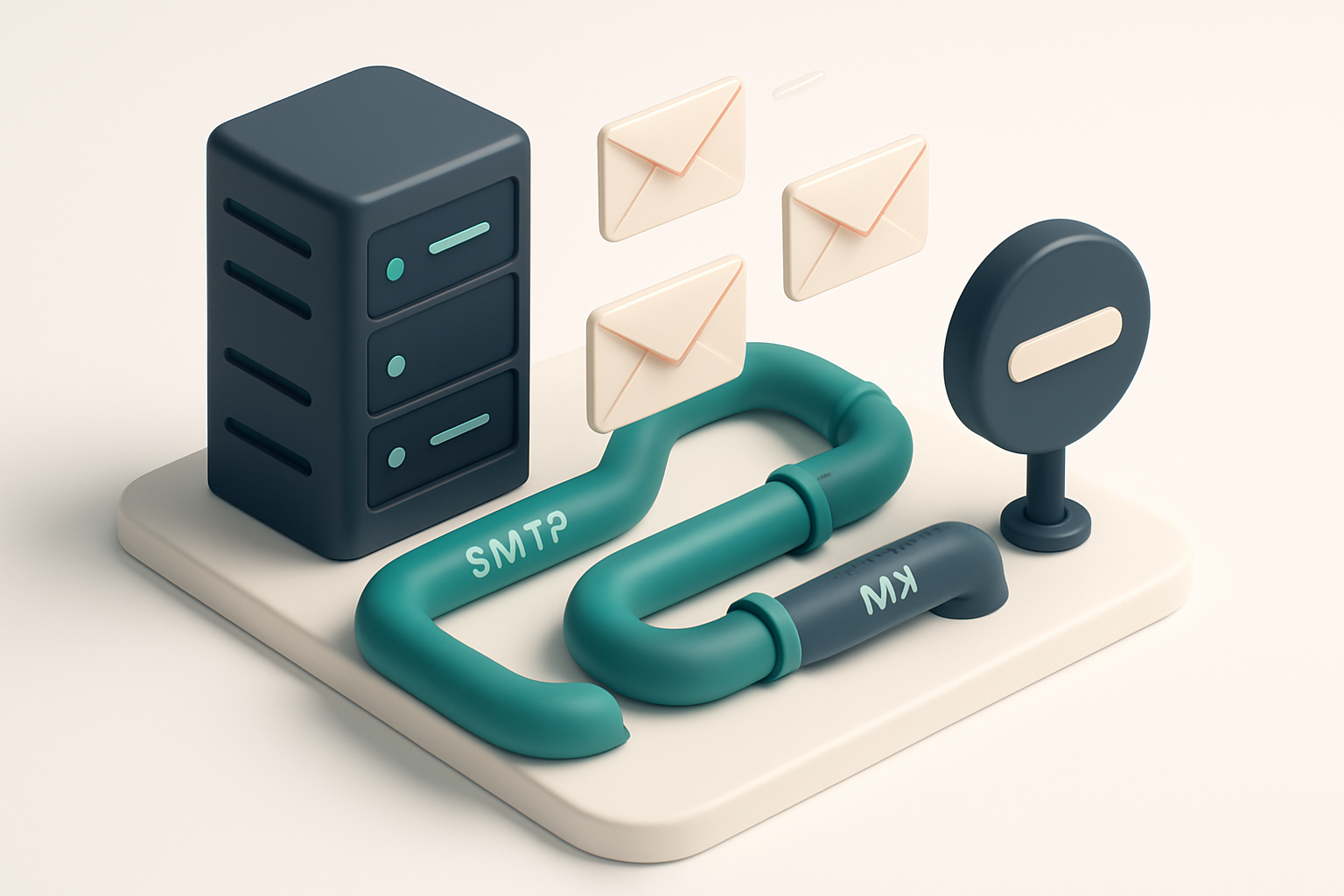
SMTP is the protocol used to send emails across the internet. Think of it as the mailman responsible for delivering your email from one server to another. Without SMTP, there’d be no reliable way for your messages to reach their destinations.
MX records, on the other hand, are entries in the DNS (Domain Name System) that designate the mail servers responsible for receiving email on behalf of a domain. They’re like the address labels that tell incoming emails where to go. If these records aren’t set up correctly, incoming emails may not be delivered properly.
Both SMTP and MX records play a pivotal role in ensuring your emails reach the inbox. If an email can't be delivered due to server issues, it's often because these components aren’t configured properly. This can lead to unnecessary bounces, which can harm your sender reputation.
Connection to Blacklists
So, how do these technical elements relate to blacklists? Well, SMTP servers can get blacklisted if they’re identified as sources of spam or unwanted emails. Once banned, emails from those servers often end up blocked or diverted to spam folders.
An MX record that points to a blacklisted server can also cause deliverability issues. Even if your content is legitimate, blacklist status can get your emails sidelined. Regularly checking blacklists can help you catch these issues early. Trusted tools exist to identify which blacklists may contain your domain or SMTP server.
A domain blacklist checker API can automate this process, providing real-time alerts and helping you react swiftly to maintain clean sending practices.
Troubleshooting Tips
If you suspect your emails are being bounced or blocked due to blacklisting, start by verifying your SMTP setup. Confirm that your sending server isn’t on any blacklists. Websites like MXToolbox provide free checks for this purpose.
Review your MX records to ensure they’re pointing to the correct mail servers. This is crucial when changing hosting providers or setting up new domains. If changes have occurred, verify that the DNS propagation has completed and that records point to the intended servers.
Finally, maintain a diligent watch on the quality of your email lists. Using a service like EmailListChecker's bulk verification can weed out invalid addresses, thereby reducing bounces and enhancing your reputation.
Regular checks and proactive management of SMTP and MX configurations can keep your emails away from blacklists and headed straight to inboxes.
Understanding these elements and how they affect blacklists lets you take control of your email deliverability and maintain a positive sender reputation.
How Emaillistchecker.io Facilitates Deliverability
Maintaining high email deliverability is crucial, and Emaillistchecker.io is designed to be an essential tool in achieving that. By leveraging integrations with popular email marketing platforms like Mailchimp, HubSpot, and SendGrid, you can streamline your email verification process. This connectivity means you can easily sync your contacts and scrub your list before sending campaigns, minimizing the risk of bounces.
Accuracy and Efficiency for Better Deliverability
When it comes to email verification, precision matters. Emaillistchecker.io delivers with a 98.9% accuracy rate, one of the highest in the industry. This accuracy ensures that you’re sending emails to valid addresses, reducing the likelihood of them bouncing and harming your sender reputation.
Bounce rates can significantly impact your email deliverability. Bouncing emails can lead to your domain being blacklisted, which in turn affects your ability to reach your audience. By using a domain blacklist checker integrated with Emaillistchecker.io's verification capabilities, you can ensure your domain stays clean and functioning effectively.
Flexible Features and Integration
Another highlight of Emaillistchecker.io is its flexibility in features and ease of use. You start with 100 free verifications, a great way to test the waters without committing to a large upfront cost. Importantly, purchased verification credits never expire, giving you peace of mind and flexibility to verify emails at your own pace.
If you're running larger campaigns or need real-time verification, the verification API is at your disposal. This allows for seamless integration into your existing systems, ensuring email addresses are verified as they're collected.
The capacity to perform bulk verifications is another key feature. This can be particularly useful if you're onboarding a large number of email addresses and need them checked quickly. You can explore how this process works at Emaillistchecker.io’s bulk verification page for more details.
To secure optimal inbox placement, Emaillistchecker.io also provides tools that test where your emails land within recipient accounts, offering insights that can guide content and strategy adjustments. If deliverability issues arise, this testing can be invaluable to diagnose potential problems. More insights are accessible through our inbox placement page.
“Ensuring a clean email list with high deliverability is not just about verification — it's about trust, reach, and engagement with your audience.”
Finally, take a look at the integrations page to see how you can connect with platforms you may already use. By seamlessly incorporating Emaillistchecker.io into your existing workflows, you enhance your email strategy, ultimately supporting better communication with your subscribers.
For organizations focused on preserving sender reputation and maximizing campaign success, investing in email verification strategies using precise, integrated tools such as Emaillistchecker.io is a wise choice. More detailed information about plans and pricing can be accessed through the official pricing page.
Comparing Domain Blacklist Checker Options
When it comes to ensuring your domain isn't on a blacklist, several tools offer a variety of features to suit different needs. Here’s a look at some popular options, and how they stack up against each other.
| Tool | Unique Features | Verification Speed | Ease of Use |
|---|---|---|---|
| ZeroBounce | Comprehensive email validation, monitoring of spam traps | Moderate | User-friendly |
| NeverBounce | Real-time verification API, scalable solutions | Fast | Intuitive interface |
| Kickbox | Detailed verification, API integrations | Fast | Easy to get started |
| Bouncer | Focus on deliverability, dashboard analytics | Fast | Simple and clean |
| Hunter | Domain search features, email verification | Moderate | Straightforward |
Before you choose, consider what matters most to you. Speed is crucial for immediate feedback, but you might prioritize detailed analytics if you're examining broader deliverability issues.
Understanding Differentiating Factors
The differences often lie in the additional functions each tool provides. For instance, some services include expansive monitoring capabilities that predict potential listing threats. Others may offer comprehensive historical data to help you understand the causes behind past blacklists. As an example, ZeroBounce not only focuses on immediate verification but also provides spam trap and abuse link reporting, which is vital for proactive email deliverability management.
The ease of integration might also sway your decision. Tools that smoothly integrate with your existing email platforms (like HubSpot or Mailchimp) can streamline processes significantly. This is where services like EmailListChecker.io's integrations can offer an advantage through seamless compatibility with your workflows.
Choosing the Right Tool for Your Needs
Your choice should hinge on your unique requirements. For large-scale operations seeking rapid, realtime checks, platforms offering an API should be top contenders. If your team values in-depth data insights or needs to understand long-term trends in deliverability, it's essential to pick tools with rich analytics capabilities.
Your domain’s reputation impacts every email campaign you send. Regularly checking for blacklists should be as natural as quality assurance in your email process.
For those embarking on regular bulk checks, EmailListChecker.io’s bulk verification might align perfectly with your processes, given its powerful and user-friendly interface tailored to handle large volumes efficiently.
Take your time exploring these options, consider trying a few before deciding. Most platforms provide free trials or initial checks, making it easier to see what fits your strategy and budget. Ensure you secure not just a tool, but a partner in optimizing your email deliverability strategy.
Conclusion: Ensuring Smooth Email Operations
Regular domain blacklist checks mean fewer bounces and better inbox placement. By identifying and resolving issues early, these checks improve your sender reputation. This leads to higher email deliverability rates, ensuring your messages reach your audience.
Incorporating domain blacklist checks into your routine email protocols is essential. Consistent monitoring prevents potential disruptions and supports long-term campaign success. Keep your operation smooth by making this a standard practice.
Using Domain Blacklist Checkers
Keeping your domain off blacklists is crucial for ensuring your emails reach the inbox. Let's look at how to effectively use domain blacklist checkers.
Choosing a Reliable Domain Blacklist Checker
- Evaluate Checker Features: Start by assessing the features of potential blacklist checkers. You'll want a tool that covers multiple blacklists, not just the major ones. Tools like MXToolbox provide comprehensive checks across numerous lists. Consider what specific needs you have and make sure the checker aligns with those.
- Verify Accuracy: Look for checkers with proven accuracy. A small discrepancy in results could lead to unnecessary concerns or missed blacklistings. Read reviews or industry reports to get an understanding of their reliability. For an in-depth evaluation of email verification services, you might visit the bulk verification page on EmailListChecker.io.
Configuring for Automated Checks
- Set Up Automated Schedules: This reduces manual tasks and allows you to detect blacklist issues promptly. Most checkers offer scheduling features - leverage them to configure weekly or even daily checks if your email volume demands it. Automation frees your team from routine monitoring while ensuring constant vigilance.
- Integrate with Existing Systems: Use integration capabilities to connect blacklist checkers with your email platform. This ensures seamless operations and direct communication, helping in instantaneous response to any potential blacklist threats. Explore available integrations that fit with your email ecosystem.
Interpreting Blacklist Results
- Understand the Impact: Not all blacklists carry the same weight. Some have a negligible influence on email deliverability, while others can severely impact your sender reputation. Research the influence of the blacklist you're flagged on to prioritize your resolution efforts. Returning to the clean list of the right checkers can provide critical insights about specific lists.
- Investigate the Cause: If your domain is blacklisted, the next step is investigation. Common causes include sending unsolicited bulk emails or having compromised accounts. Understanding these causes helps prevent future issues. For further reading, check out guidelines from authoritative sources like Spamhaus.
- Plan Your Remediation Approach: Once you know the cause, develop a plan to address and rectify it. This might involve cleaning up your mailing list using email finder tools or enhancing your email content strategy. Make sure to submit a request for removal with detailed corrective actions to the blacklist organization.
Being proactive and consistent with blacklist monitoring is fundamental for maintaining a solid sender reputation.
Using domain blacklist checkers with intention and understanding turns email deliverability into a manageable task rather than a stressful unknown.
How Domain Blacklists Affect Email Campaigns
Increased Bounce Rates
When your domain lands on a blacklist, you'll notice an uptick in bounced emails. This happens because receiving servers often reject emails from blacklisted domains outright. Each bounce isn't just a technical nuisance; it signals to email service providers (ESPs) that your domain might be problematic.
High bounce rates can lead to further scrutiny from ESPs, which might decide to automatically filter your emails into spam folders. Reducing bounce rates should be a top priority for any campaign manager. A reliable way to start is by ensuring your list of contacts is clean and verified. Consider using a bulk verification tool to streamline this process.
Spam Folder Consequences
Even if your emails don't bounce outright, a blacklisted domain significantly increases the likelihood of your messages landing in spam. When this happens, your audience misses out on your content, and the effectiveness of your campaign is diminished.
Landing in spam affects your open and engagement rates. The fewer emails that are opened, the less likely you'll achieve your campaign goals. ESPs closely monitor how often recipients engage with emails, further influencing your future placement in either inboxes or spam folders. A deep dive into how spam filters work can be found in this Postmark article.
Risks to Sender Reputation
Your sender reputation is a crucial factor in deliverability. It functions like a credit score for your domain, impacting where and if your emails get delivered. Appearing on a blacklist is akin to getting a negative mark on that score.
A damaged sender reputation means that even when you're removed from a blacklist, you'll have to work diligently to rebuild trust with ESPs. This can be a long-term process requiring consistent email practices and monitoring. Engaging a service like inbox placement testing can provide insights into potential deliverability issues.
In fact, the interplay of bounce rates, spam placement, and sender reputation makes it clear why addressing blacklisting is urgent. These factors collectively influence the effectiveness of your email campaigns and the ROI on your marketing efforts.
Understanding how blacklisting works is an investment in your email campaign's success. If you're aware of the risks and proactive in mitigation, your chances of maintaining healthy engagement rates significantly increase.
Focusing on these areas and employing the right tools results in more effective email campaigns and a stronger sender reputation in the long haul. Addressing domain blacklisting early and actively can spare you from these issues becoming chronic problems.
Improving Deliverability After a Blacklist Listing
Steps to Recovery
Getting your domain removed from a blacklist is crucial to restoring your email deliverability. Let’s walk through some practical steps you can take to resolve the issue and improve your future email delivery performance.
- Identify the Blacklist: Pinpoint which blacklist you're on. Different blacklists have varying levels of influence. Use a reliable domain blacklist checker for accurate identification. Understanding the impact helps prioritize your response.
- Request Removal: Visit the blacklist provider’s website. Many have formal procedures or web forms for removal requests. Be clear and factual about any steps you've taken to remedy the issues that led to the listing.
- Review Email Content and Practices: Assess your email content and sending practices. Ensure you're not inadvertently sending spam indicators like trigger words or poor HTML formatting. Consider using a tool like Inbox Placement by EmailListChecker.io to analyze how your emails are likely to be perceived by spam filters.
- Optimize Your Email List: Scrub your email lists regularly to remove outdated or invalid addresses. Using a Bulk Verification service, like the one offered by EmailListChecker.io, can effectively reduce the bounce rate, enhancing your sender reputation.
- Monitor Your Progress: Consistently track your domain’s blacklisting status and deliverability rates. Tools like Sender Score provide insights into your sending reputation. Regular monitoring aids in catching issues early before they fully impact your campaign performance.
Maintaining Better Practices
Once you’ve tackled the immediate problem, focus on sustaining good email practices to prevent future blacklistings.
“A consistent, proactive approach to list hygiene and content quality is your best defense against blacklisting.”
- Use confirmed opt-in for list subscriptions to ensure people want to receive your emails.
- Avoid sending to role accounts like 'info@' or 'admin@', as they often get flagged by spam filters.
- Employ a mix of automated and manual checks to catch content or formatting issues before sending each campaign.
For more insights into improving your email deliverability, check out our detailed guidance available on industry-standard practices, or consider exploring our real-time Verification API. Steadily improving your deliverability metrics not only mitigates the risk of future blacklisting but also enhances the effectiveness of your email marketing efforts.
Understanding these procedures and continuing to adapt your strategy can help maintain your sender reputation and open avenues for more efficient and successful email marketing campaigns.
Keep reading
- Deliverability, blocklists and sender reputation (complete guide)
- Improving Email Deliverability for Insurance Agents Using List Cleaning Tools
- How to Improve Email Deliverability with List Hygiene for Agencies
- Avoiding Email Deliverability Issues in Real Estate Marketing with Validation
- SaaS Email Deliverability Issues? Fix Them with Regular List Cleaning
Keep reading
- Master Domain Blacklist Recovery: Best Strategies and Tips
- Understanding Domain Blacklist Causes and Solutions
- Understanding Domain Blacklist Impact on Email Marketing
- Understanding Domain Blacklist Checking for Better Email Delivery
Ready to put this into practice? Emaillistchecker.io verifies emails with 98.9% accuracy — start with 100 free verifications.
Frequently asked questions
What is a domain blacklist?
A domain blacklist is a list of domains known to send spam. Being listed can harm email deliverability.
How do blacklists affect email campaigns?
They lead to lower deliverability rates, increased bounces, and a damaged sender reputation.
Can a domain blacklist checker improve bounce rates?
Yes, by identifying and addressing issues causing blacklists, bounce rates can be reduced.
What features should I look for in a blacklist checker?
Look for real-time monitoring, integrations, and comprehensive blacklist coverage.
How often should I check my domain for blacklisting?
Regular checks are recommended; frequency depends on your email sending volume and history.
Does Emaillistchecker.io offer blacklist checking?
Emaillistchecker.io focuses on email verification, which supports improved deliverability linked to blacklist issues.
Are all blacklists equally significant?
No, some blacklists have a larger impact due to their use by major email providers.
How do email reputation systems work?
They assess the trustworthiness of a sender's IP and domain, impacting inbox placement.
Can I remove my domain from a blacklist?
Yes, usually through a delisting request, but understanding the reasons for listing is crucial.
What role do SMTP and MX records play in blacklisting?
They help manage the sending and reception of emails. Issues here can lead to blacklisting.