
Optimize Email Strategy Tuesday for Better Results
Learn how to optimize email strategy on Tuesday for improved deliverability and timing. Discover actionable insights.
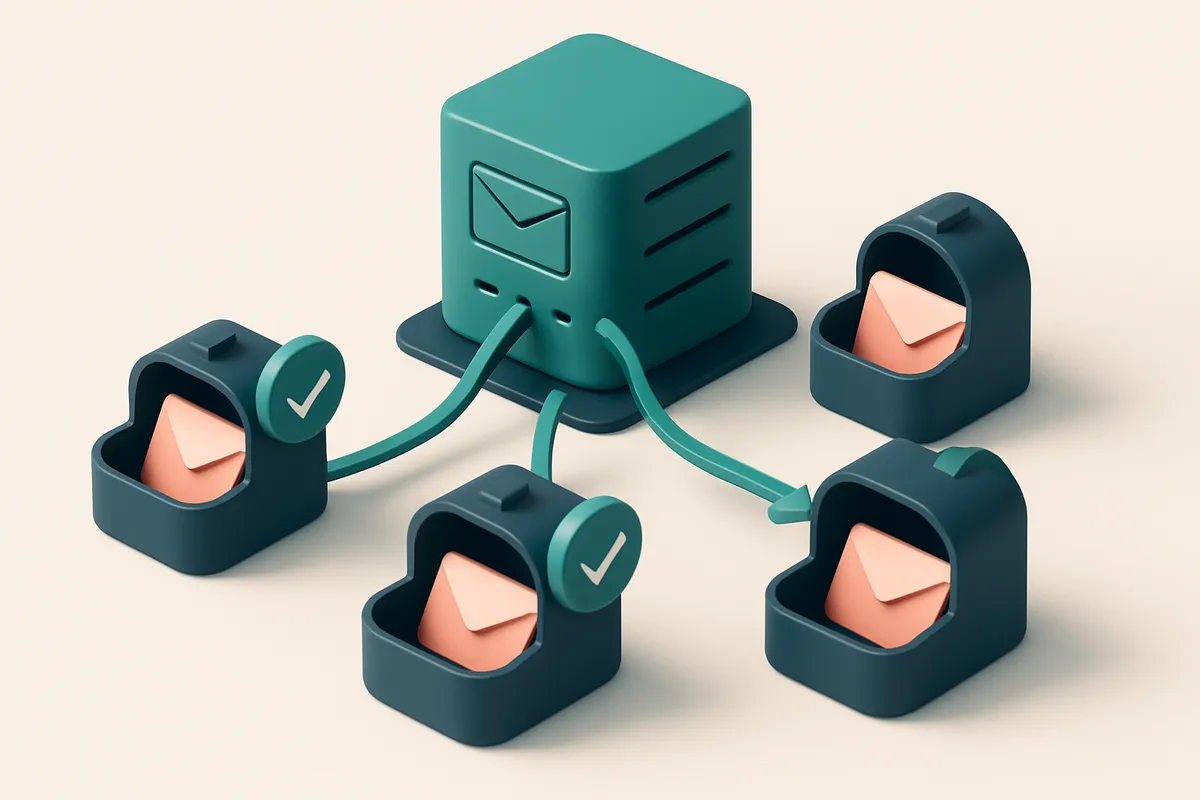
Maximize Your Email Reach with Tuesday Timing
Is your email strategy missing its mark? You might be overlooking a simple yet effective timing trick. Tuesday could be the key to boosting your email campaign success. Studies and industry data suggest that emails sent on Tuesdays tend to have higher open and engagement rates. But why is that?
Timing optimization in email marketing isn't just about picking a day at random. It involves understanding when your audience is most receptive and leveraging that to improve email deliverability. Effective timing can lead to emails landing in the primary inbox rather than being lost in promotions or spam folders.
This article will explore why Tuesday could be your new best friend for email campaigns, and how mastering the art of timing can enhance your email deliverability. You'll gain actionable insights that could transform your open rates and, ultimately, your business results.
Understanding Email Deliverability Factors
When you're optimizing your email strategy on a Tuesday, a key focus should be understanding the factors that affect whether your audience gets your message in their inbox or the spam folder. Let’s unravel some of the critical elements influencing email deliverability.
The Role of MX Records and SMTP
MX (Mail Exchange) records are part of your domain's DNS setup. They tell other email servers where to send mail for your domain. If there's an issue with your MX records, it can lead to bounced emails or delivery failures. Ensuring accurate configuration is crucial for maintaining successful email deliveries.
SMTP (Simple Mail Transfer Protocol) is the backbone that moves email messages from your server to your recipients' inboxes. However, servers may refuse connections if they suspect spammy behavior, which is why proper SMTP configuration and monitoring are essential for your campaigns.
Sender Reputation and Authentication
Your sender reputation significantly impacts inbox placement. It's essentially a score determined by your email sending behavior, like complaint rates and bounce frequency. A poor reputation can lead to emails being filtered as spam or being blocked entirely.
To bolster your reputation, employing authentication methods such as SPF (Sender Policy Framework), DKIM (DomainKeys Identified Mail), and DMARC (Domain-based Message Authentication, Reporting & Conformance) is crucial. These protocols verify the legitimacy of your email, aiding in the prevention of fraud and phishing. For a deeper dive into how these work, you could explore resources like SMTP2GO's blog.
Impact on Inbox Placement
All these factors connect to one central goal: ensuring your emails hit the inbox, not the spam folder. Optimizing your MX records and SMTP settings reduces the likelihood of unnecessary bounces. Meanwhile, maintaining a good sender reputation and robust authentication strengthens your emails' credibility.
For consistent results, consider using tools that optimize your deliverability strategy. Services like bulk verification can root out invalid emails, reducing hard bounces and preserving your sender score. Integrating these elements into your strategy provides a structured approach to better inbox placement.
Effective deliverability management leverages both technology and strategy to ensure more of your messages land where they're supposed to—your audience's inboxes.
Mastering these deliverability factors means fewer wasted sends and more effective communication with your audience. Understanding and implementing these technical components isn't just a task for your IT team; it's a strategic move for anyone handling email campaigns.
Why Tuesdays Work: Timing Optimization
Tuesdays consistently emerge as one of the best days to send emails. According to an analysis by Mailchimp, emails tend to perform better when they're sent earlier in the work week, with Tuesday being a standout.
Understanding Engagement Peaks
Email engagement metrics such as open and click-through rates spike on Tuesdays. This may be partly due to how people manage their personal and professional inboxes. Monday can feel overwhelming with a fresh batch of messages from the weekend. By Tuesday, the backlog is more manageable, and recipients are likely ready to engage more actively with fresh content.
Consider your own habits. On Monday, you're often racing through emails just to catch up. By Tuesday, however, you're more settled into the work week, ready to absorb and act on new information. This pattern is reflected broadly in email strategies that prioritize deployment early in the week.
Aligning Your Strategy with Audience Behavior
Observing your audience's behavior is key to timing. Many professionals begin their week organizing calendars, so by Tuesday they have more bandwidth to focus on new messages. Craft your content to align with this window of attention.
Optimizing your email strategy for Tuesday doesn't merely rely on timing but also precision. Tools like EmailListChecker.io's verification API ensure your emails are sent to valid, active addresses, improving deliverability and enhancing the chance of engagement. Reducing bounces is as crucial as hitting the right day.
Tuesdays are not just about timing the send but finding the rhythm with your audience's behavior.
Furthermore, your open and click-through rates benefit from Tuesday's timing when your email list is well-maintained. Employing tools for bulk verification keeps your database healthy, maximizing the opportunity for engagement.
Integrating these insights can give your Tuesday sends a significant boost. Of course, Tuesday won't be a magic bullet for every list or every message. Consider testing different days to see how your specific audience responds. The key is in data-driven optimization and understanding your audience's workflow.
Leveraging Emaillistchecker.io for Better Deliverability
On a Tuesday, when you're strategizing how to boost your email performance, leveraging Emaillistchecker.io can be your secret weapon. Let's explore practical steps to enhance your deliverability using this tool.
Key Strategies for Optimization
- Reduce Bounce Rates with Bulk Verification: Bounced emails can damage your sender reputation. Use Emaillistchecker.io's bulk verification to clean and validate your entire list before sending. This reduces the risk of invalid contacts affecting your metrics.
- Ensure Real-Time Precision with Verification API: Email addresses can change or become inactive at any moment. With the real-time verification API, you can check emails as they enter your list, ensuring they're valid and reducing potential bounces.
- Streamline with Platform Integrations: Manage your email campaigns more effectively by integrating with platforms like Mailchimp, HubSpot, or SendGrid. Consistent list maintenance across platforms assures uniformity and reduces manual efforts. Explore these integration options to keep your operations seamless.
Understanding the Technical Aspects
Deliverability isn't just about a clean list. Understanding the technical underpinnings, like SMTP and MX records, helps in optimizing your strategy. A Resource from Messaging, Malware and Mobile Anti-Abuse Working Group offers deeper insights on these protocols, ensuring your emails are sent from a credible source.
Remember, a single misstep in list management can lead to a cascade of deliverability issues.
Staying informed and consistently verifying your lists are just parts of the process. Make Emaillistchecker.io your partner in precision for managing these components effectively.
With a 98.9% accuracy rate, Emaillistchecker.io’s tools offer a high level of precision in maintaining list health, vital for staying off blocklists and promoting better inbox placement.
By implementing these strategies, you not only preserve your sender reputation but also ensure that your emails reach the intended recipients more reliably, paving the way for improved engagement metrics and a stronger return on your email marketing efforts.
The Role of List Hygiene in Timing Success
When you're looking to optimize your email strategy on a Tuesday, list hygiene takes center stage. By regularly purging invalid and disposable email addresses from your list, you enhance deliverability and avoid wasted sends. It's not just about hitting the right inboxes; it's about maintaining the integrity of your sender reputation.
Why Removing Invalid Addresses Matters
Invalid email addresses lead to hard bounces, which occur when emails get returned because the recipient's address is incorrect or doesn't exist. Too many hard bounces can harm your sender reputation and make mail servers less likely to deliver your emails. Regularly cleaning your list allows you to reduce your bounce rate substantially.
Disposable addresses, often set up via temporary email services, further complicate the situation. They may increase your list size temporarily but provide little value in terms of engagement and conversions. An article from Mailchimp highlights how a clean list is crucial for improved performance metrics.
How List Hygiene Boosts Deliverability
List hygiene isn't just about cleaning; it’s about strategy. The fewer the bounced messages from your campaigns, the better your chance to maintain a healthy sender reputation. High deliverability means your emails are more likely to make it to the inbox, rather than being caught in spam filters or blocked altogether.
This improved deliverability brings tangible benefits to your overall email strategy, especially when choosing the best times to send emails, like on a Tuesday. Having a well-maintained list ensures your emails hit the mark when your audience is most likely to engage with them. A dedicated tool for inbox placement can also help you monitor and optimize these aspects further.
Tools for Keeping Email Lists Clean
Keeping your email list pristine isn't just manual labor; it requires the right tools. Platforms that offer bulk verification allow you to vet large lists and remove invalid addresses efficiently. With an accuracy rate of 98.9%, such tools provide reliable screening to enhance your strategies.
For real-time applications, using an API for email verification can prevent invalid addresses from entering your list in the first place. Automation here supports consistent quality control, making it easier to manage your list's health over time.
“Effective list hygiene is a subtle art; a blend of cutting down waste and maximizing reach.”
Integrations with platforms like Mailchimp and SendGrid further streamline this process, allowing seamless list management across different stages of your email campaigns. Linking these integrations ensures that you're using the most efficient tools for maintaining list health.
Data-Driven Techniques for Optimizing Email Timing
Analyze Your Current Open Rates
To begin optimizing your email strategy for Tuesdays, start by understanding your current open rates. Evaluating these metrics across different times of the day and days of the week is crucial. You'll find patterns unique to your audience that can guide when to send emails. Use tools like Google Analytics or your email service provider's reports to get this data.
- Gather Your Data: Collect detailed reports on open rates by time of day and day of the week from your existing campaigns. Most email service providers include this data in their analytics dashboards.
- Look for Patterns: Identify any trends, such as whether opens increase during mid-morning or mid-afternoon. Research suggests that higher open rates often occur between 9 a.m. and 11 a.m., but your audience might differ.
Use A/B Testing to Fine-Tune Timing
A/B testing allows you to experiment with different sending times to determine what truly works. By comparing two versions of your email sent at different times, you'll gain insights into which timing results in higher engagement.
- Set Up A/B Tests: Develop variants by choosing different send times. For example, compare sending your email at 10 a.m. versus 2 p.m. Make sure to isolate timing as the single variable for more accurate results.
- Monitor Results and Adjust: After the A/B test, analyze the results to see which variant performed better. Adjust your email schedules accordingly. Repeated testing can continuously refine your timing strategy.
- Document Your Findings: Keep a detailed record of test outcomes. Documentation helps in understanding what's historically been effective and can serve as a reference for future campaigns.
For more strategic insights into improving email deliverability, consider our inbox placement tool to test different sending times effectively.
Optimize Based on Real-World Data
Finally, using real-world data to fine-tune your schedules can push your campaign performance even further. This involves using both your data and industry benchmarks to craft a sending schedule that maximizes engagement.
- Integrate Industry Data: Leverage industry benchmarks, like those from HubSpot or Mailchimp, to compare your progress. For instance, studies from Campaign Monitor show certain industries have peak open rates on Tuesday mornings.
- Automate and Refine: Set up automation to schedule emails according to your optimized patterns. This ensures consistency and allows you to test without manual intervention. Over time, keep refining your approach based on ongoing data collection.
Improved timing can significantly boost open rates and overall campaign success. The key is consistent data collection and testing.
Incorporating these data-driven techniques into your email strategy will help you optimize timing, particularly on Tuesdays, and enhance your overall engagement rates. For more on using data for email success, explore our bulk verification services to improve your list quality before deploying campaigns.

Tackling Common Issues with Tuesday Deliverability
Recognizing SPAM Filter Warnings
Many email marketers notice a dip in engagement rates come Tuesday, and SPAM filters are often the culprit. If your open rates suddenly drop, it might indicate that ISPs are sending your emails straight to users' SPAM folders.
To identify whether SPAM filters are affecting your deliverability, track your key performance metrics. Decreases in engagement such as open rates or click-through rates can be early indicators. Also, look for tell-tale signs like increased bounce rates, which suggest your emails aren't getting through at all. For a more in-depth look, consider utilizing a specialized inbox placement tool to diagnose what's causing these issues.
Addressing Sender Reputation Issues
Your sender reputation profoundly impacts how ISPs perceive and filter your messages. A poor reputation can develop over time, often due to high bounce rates, multiple complaints, or sending from a newly registered domain. Avoid using bought lists and sending to outdated addresses, as these practices can send red flags to ISPs.
To maintain and improve your reputation, make use of tools to clean your email list regularly. Bulk verification, such as that provided by EmailListChecker.io, can help you avoid non-existent email addresses and reduce bounce rates, thereby protecting your sender reputation.
Strategies to Recover From Low Inbox Placement
Recovering from low inbox placement requires a methodical approach. First, evaluate your engagement metrics to identify behavioral patterns that might have caused the issue. Refine your campaign by targeting recipients who regularly open or click your emails. This helps show ISPs that your emails are indeed valuable to their users.
Also, consider implementing practices like the use of Sender Policy Framework (SPF), DomainKeys Identified Mail (DKIM), and Domain-based Message Authentication, Reporting & Conformance (DMARC) to authenticate your emails. The Messaging, Malware and Mobile Anti-Abuse Working Group (MAAWG) offers a detailed guide on these standards, demonstrating their importance in strengthening sender reputation and by extension, inbox placement.
"The art of email deliverability lies not just in hitting 'send', but in orchestrating consistent, trusted communication." This quote underscores the importance of developing a thoughtful, data-backed email strategy.
Through sustained efforts in cleaning and verifying your lists, adjusting your sending practices, and improving your technical authentication, you can mitigate Tuesday deliverability declines. By implementing these strategies, you give your emails a better shot at reaching the inbox consistently.
Measuring Success of Your Optimized Tuesday Strategy
Optimizing your email strategy to hit inboxes on a Tuesday is just the first step. To gauge effectiveness, it's crucial to track specific Key Performance Indicators (KPIs) that reflect success or signal areas needing adjustment. Knowing which metrics to watch can transform your strategy from good to excellent.
Key Metrics to Monitor
The primary metrics to consider are bounce rates, open rates, and click rates. Each provides different insights into your email performance.
Bounce rates are a direct indicator of email list quality. A high bounce rate could mean outdated or invalid email addresses. Ensure your list is clean using a tool like bulk verification to maintain a low bounce rate and improve deliverability.
Open rates measure how compelling your subject lines are and whether your timing resonates with recipients. Tracking this helps refine your approach. According to a Litmus report, the average open rate across industries is about 21.33%, though yours may vary based on your audience and sector.
Click rates show engagement beyond opening an email. A high click rate suggests that your content is relevant and engaging to the audience. If click rates fall short, reviewing email content for relevance and value is essential.
Iterating Based on Performance
Once you've collected data on these KPIs, iterate based on your findings. If open rates are lower than expected, test different subject lines or experiment with various send times. Adjust the content if click rates are subpar. Engaging, targeted content is key.
“If you can't measure it, you can't improve it.” — Peter Drucker
This iterative process is crucial for continual enhancement of your email strategy. Integrated tools such as inbox placement testing can provide insights into how your emails are performing across different email clients and help identify specific challenges to address.
Remember, a successful Tuesday strategy isn't just about what you send but also about how you respond to what your data tells you. Deploy tools effectively, craft engaging content, and remain adaptable to refine your approach continuously.
Conclusion: Refining Strategy for Continued Success
Optimizing your email strategy on Tuesdays can significantly enhance engagement. We have explored how understanding SMTP operations, MX records, and the impact of catch-all servers can address issues like bounces and sender reputation.
Continual testing and adaptation of your strategy are vital. Each campaign is a learning opportunity to evaluate deliverability, improve sender reputation, and mitigate blocklist issues, fostering higher inbox placement rates over time.
Leveraging advanced tools and expert services streamlines these efforts. Platforms like Emaillistchecker.io, with integrations and AI assistance, can offer precise insights for effective action.
Keep reading
- Bulk email verification and list cleaning: when and how to verify (complete guide)
- Maximize ROI with Top Email Marketing Platforms
- Enhancing User Experience in Email Verification
- How to Implement Email Verification in Dating App Backend Systems
- Email Verification for Crypto Course Enrollment Systems
Keep reading
- How to Optimize Your Email Strategy with Precision
- Optimize Your Tuesday Email Campaigns for Success
- Optimal Times to Send Emails on Tuesdays
- Boost Tuesday Email Engagement with Precise Timing
Ready to put this into practice? Emaillistchecker.io verifies emails with 98.9% accuracy — start with 100 free verifications.
Frequently asked questions
Why is Tuesday an optimal day for sending emails?
Data shows higher engagement on Tuesdays due to workweek rhythm, increasing open and click-through rates.
How does email deliverability affect my strategy?
Better deliverability ensures more emails reach inboxes, improving campaign success.
What factors decrease email deliverability?
Poor sender reputation, invalid addresses, and lack of authentication can harm deliverability.
What is timing optimization in email marketing?
It's about choosing the right time to send emails, aligned with your audience's peak engagement times.
How can Emaillistchecker.io help improve deliverability?
With its verification tools, it reduces bounces and enhances sender reputation by keeping lists clean.
What is the role of MX records in email deliverability?
MX records determine which mail servers receive your domain's emails; correct configuration is crucial.
How does sender reputation impact email strategy?
A high sender reputation prevents emails from being marked as SPAM, ensuring they reach the inbox.
What are disposable domains and why avoid them?
Disposable domains offer temporary emails, risking high bounce rates and poor deliverability.
How do I measure the effectiveness of my email strategy?
Evaluate performance using metrics like open rates, click-through rates, and bounce rates.
How often should I clean my email list?
Regularly, ideally before every major campaign, to maintain hygiene and deliverability.