
Optimal Timing for Email Newsletters: A Guide
Learn the best time for email newsletters to boost open rates and engagement efficiently.
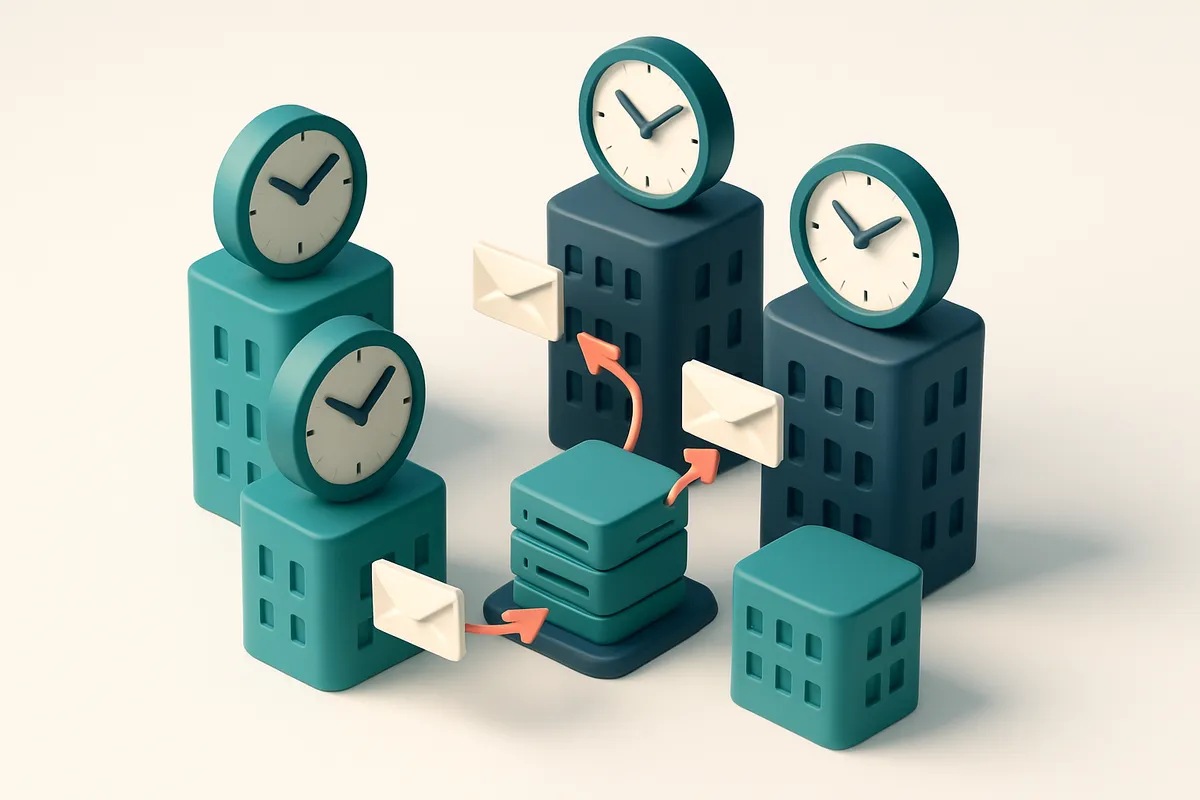
Understanding the Importance of Timing in Email Marketing
Have you ever wondered why some of your email newsletters yield impressive open rates, while others seem to vanish into oblivion? The answer often lies in when you hit "send." Timing can make or break your email marketing success.
A well-timed email can boost engagement by reaching your readers when they're most receptive. Conversely, poorly timed messages risk minimal visibility and open rates. This article explores the best time for email newsletters to maximize your marketing impact and ensure your messages are seen and acted upon.
Key takeaways
- Optimal timing significantly increases open rates and engagement.
- Understanding your audience's habits is crucial for timing your emails effectively.
- Missed timing can result in lower email visibility and campaign success.
Factors Influencing the Best Time for Email Newsletters
Understanding Your Subscriber's Time Zone and Location
When you're deciding on the best time to send your email newsletters, your subscriber's time zone and location should be primary considerations. Sending an email at 4 PM for you might mean 2 AM for a recipient across the globe. Understanding localized schedules can significantly impact open rates. Sometimes it’s worth the effort to segment your list based on geographic data to optimize the timing.
Automated tools or integrations, like those offered by Emaillistchecker.io, can help facilitate this process by syncing time zones and streamlining segmented sends. If your audience is global, such data-driven adjustments could make your messages much more timely and relevant.
Demographic and Behavioral Insights
Your audience's demographics and behaviors also play important roles in choosing the right time for emails. Different age groups and lifestyles influence when people check their inboxes. For instance, professionals might check emails first thing in the morning, while students might interact more in the afternoon.
Consider leveraging data from platforms like HubSpot or Google Analytics. Such platforms can provide behavioral insights that suggest when your audience is most active online. A statistical analysis from Smart Insights highlights that open rates can increase by using data-driven timing strategies customized to your audience's habits.
Type of Content and Its Urgency
The type of content you're sending also influences timing. If your newsletter contains urgent news or timely offers, scheduling becomes crucial. An announcement about a flash sale might need to hit inboxes in the morning when recipients are fresh and alert.
Alternatively, if your content is more evergreen, such as industry insights or educational materials, you might experiment with off-peak hours when readers have more time to engage. Testing different times can be essential here; monitoring the results can lead to educated guesses and improved strategy over time.
Right timing is just one part of ensuring successful email campaigns. By focusing on these factors, you can reduce bounces and boost interactions. For precise email list verification, Emaillistchecker.io's bulk verification service can help refine your lists for better deliverability.
Analyzing Open Rate Patterns for Better Timing
Understanding Your Data's Story
When aiming to find the best time for email newsletters, analyzing your past data is crucial. Each email campaign holds a wealth of information that can guide your timing strategy. Here’s a step-by-step process to make sense of it all.
- Gather Historical Data: Start by collecting open rates, click-through rates, and engagement times from your previous campaigns. Use these metrics over a span of weeks or months to spot patterns. Historical data serves as the foundation for identifying trends.
- Identify Consistent Patterns: Look for recurring trends. Are there specific days where your open rates peak? For example, according to Campaign Monitor, Tuesdays and Thursdays often show higher engagement. Observing these patterns can help establish a preliminary sending schedule.
- A/B Test Different Send Times: Implement A/B testing to experiment with varying send times. Divide your audience and test one variable at a time — the day or the time of day — to see which leads to better open rates. This method offers concrete insights beyond assumptions.
- Analyze the Results: Once you’ve tested different times, compare the results to your historical data. Did the changes align with your existing patterns? If so, you’ve probably found a new optimal time. If not, you may need to continue testing or adjust your focus.
- Iterate and Optimize: Use insights from your analysis to guide your future sends. Continuously refine your timing based on engagement stats. Resources like our integrations can help streamline data collection and analysis during this phase.
Leveraging Past Performance
Your past performance is more than just numbers. It’s a roadmap. By meticulously analyzing data, you ensure you’re not relying on guesswork. Instead, each decision is backed by historical evidence, reducing the probability of wasted sends and low engagement.
Consistency in reviewing and adjusting your strategy is key to maximizing engagement.
For further refinement, consider using tools for inbox placement testing. Knowing if your emails land in the primary inbox or a dreaded spam folder can influence your send times and eventual engagement rates.
By focusing on data-informed decision-making, you optimize not only when you send emails but also how effectively they reach your audience. Continue this cycle of testing and iterating to keep improving your newsletter strategy.
Weekday vs. Weekend: What Open Rate Data Suggests
Weekday Dominance
When it comes to sending email newsletters, weekdays generally take the lead in engagement rates. This might be because people are more likely to check their emails as part of their daily routines at work. According to data from Campaign Monitor, the highest open rates often occur between Tuesday and Thursday. These days capitalize on the declining rush of Monday emails and avoid the Friday slump.
The theory is straightforward: Your audience is likely in front of their computers, in a work mindset, and able to act on prompts. For B2B companies, weekdays are particularly critical as their audience tends to operate on typical business hours. If you're in this category, focusing your sends midweek could drastically improve your engagement.
The Case for Weekends
However, not every audience follows this pattern. Consumer behavior can shift dramatically over the weekend. For B2C companies, weekends might offer a golden opportunity to engage with an audience that has more leisure time to scroll through emails. An article from HubSpot suggests that some retail and entertainment industries see a lift in open rates on Saturdays and Sundays.
If your target demographic includes casual or leisure-oriented buyers, weekends could be ideal for sending out promotional material. You might catch your subscribers during a relaxed moment, increasing the likelihood they'll engage with your content more thoroughly.
Knowing Your Audience
Ultimately, the best time to send email newsletters depends heavily on your specific audience's habits and preferences. Understanding their industry and behavior can provide insights into when they're most active. Are they likely to check email first thing in the morning, or do they peek at their personal inboxes during lunch breaks?
Testing is a crucial step when fine-tuning your send times. Analyze your past campaigns' performance to identify patterns. Maybe there's an unexpected spike in open rates on Wednesday evenings or Saturday mornings. Armed with this data, you can optimize your future efforts.
Consider leveraging tools that analyze inbox placement, like the EmailListChecker.io inbox placement feature, to refine your timing further. This way, you ensure your emails not only reach your audiences' inbox but do so at a time that aligns with their reading habits.
Understand your audience: Email success hinges on timing and relevance.
In the end, while weekdays generally offer higher engagement rates, don't discount the potential of weekends, especially for B2C interactions. Continuously refine your approach by paying close attention to the specifics of your audience's behavior.
Getting Precise with Time of Day for Email Newsletters
Morning Newsletters: Seizing the Fresh Inbox
Sending your email newsletter in the morning can be a strategic choice. Many people start their day by checking their email when their inboxes are still uncluttered. This gives your message a better chance to stand out and get noticed among fewer competing emails. For early risers and commuters, morning emails can provide that first useful or interesting read of their day.
It's important to consider your audience's time zones and daily schedules. While one might send at 8 a.m. local time for recipients, adjusting this timing to match your audience's peak email-reading hours can maximize open rates.
Midday Messages: Reaching Readers During Breaks
Midday newsletters hit when many people check their emails during lunch or short work breaks. Mid-morning to early afternoon can be ideal for catching those who use email as a way to momentarily detach from work. This timing is especially effective for B2B communications where professionals frequently engage during working hours.
A study by Statista shows that many office employees take their breaks around noon, a great time to engage them with compelling, concise content. Midday emails can boost engagement rates by aligning perfectly with natural pauses during the workday.
Evening Newsletters: Leisurely Consumption Reigns
Sending newsletters in the evening targets individuals at leisure, often checking their emails as part of winding down. Evening emails cater well to consumer-focused businesses, allowing recipients the chance to read at a slower, more relaxed pace.
This period is often characterized by higher mobile engagement, so ensuring that your newsletters are mobile-friendly is critical. The flexibility of leisurely reading times means you can craft richer content without fearing it'll be overlooked. A balanced approach is key: reflect on the preferences of your audience to decide when to schedule your campaigns.
Determining the best time for sending your email newsletters depends on your audience's habits and preferences. Utilizing tools to analyze past campaign data can aid in fine-tuning this timing further. Consider testing different periods and turn to analytics to see what works best for your audience.
If you're looking to streamline your email sending process even further, consider leveraging Emaillistchecker.io's integrations that can automate and optimize your timing strategies across platforms. Responsiveness and precision are critical, and aligning your send times with your audience's availability can improve both visibility and impact.
Tools to Determine Optimal Email Timing
Finding the best time to send your email newsletters can make a significant difference in engagement rates. But how do you pinpoint that perfect moment? Let's explore some tools and techniques that can help you zero in on timing precision.
Analytics Platforms and Engagement Tracking
You don't need to guess. By using analytics platforms, you can track when your audience is most engaged. Tools like Google Analytics can provide invaluable insights on your current website engagement patterns, which often translate to email behaviors.
- Analyze Open Rates: Check when your emails are most often opened. Align your timing with these periods.
- Monitor Click-through Rates: Not just when they open, but when they engage. This can signal prime times.
- Assess Response Trends: Track replies and interactions to discover peak response times.
AI and Dynamic Send Time Optimization
Modern solutions can leverage artificial intelligence to automate and refine your email-sending schedule. AI examines patterns and adjusts send times to when users are historically most active.
- Use Predictive Modeling: AI can create predictive models tailored to individual recipients.
- Test and Tune: Let AI run experiments to find the sweet spot, then adjust as behaviors evolve.
- Continuous Learning: Systems learn over time and adjust in real-time, offering precision without manual effort.
AI-driven send time optimization often outperforms static scheduling as it adapts to changing recipient behavior.
Integration with Mailing Services
Integration with mailing services like Mailchimp or HubSpot can further streamline your efforts. These platforms often contain advanced features for timing optimization.
- Engage Through Integrations: Seamlessly integrate with platforms for enhanced data sharing and analysis. Start with EmailListChecker.io's integration options.
- Utilize Built-in Features: Services like HubSpot offer their own send time recommendations.
- Expand Capabilities with Third-party Apps: Add-ons can provide additional optimization tools.
Ultimately, the key to successful email timing lies in understanding and adapting to your audience's behavior. By combining analytics, AI, and integrations, you can significantly increase your newsletters' performance. For more advanced solutions such as bulk verification, visit EmailListChecker.io.

Testing and Adapting Your Email Timing Strategy
Finding the optimal time to send email newsletters isn't a one-time task. Reader habits evolve, and so should your strategies. Let's delve into how you can continuously refine your timing for better engagement.
Why Continuous Testing Matters
Email engagement doesn't stand still. What works today might not be ideal next month. Continuous testing helps you stay ahead of these changes, ensuring your emails hit the inbox when they're most likely to be read.
- Analyze Initial Results: Start by sending your newsletters at different times to see when engagement peaks. Track open and click rates to determine patterns. This data will form the baseline of your strategy.
- Segment Your Audience: Not all subscribers behave the same. Use segmentation to tailor the timing to different groups based on their past interactions. This personalized approach can significantly boost engagement rates.
- Leverage A/B Testing: Test small batches of emails with varying send times. Compare the results to identify which periods yield better results. Adjust your main send schedule accordingly.
- Adapt to Behavioral Changes: Monitor changes in your audience’s behavior over time. For example, shifts in work-from-home patterns might affect the best sending times. Stay flexible and ready to alter your strategy.
- Utilize Advanced Tools: Use analytics tools to track email performance over time. Services like EmailListChecker.io's inbox placement can provide insights into when your newsletters are most likely to be opened.
Responsive adjustments based on real data and behavior patterns can ensure your emails reach subscribers when they're ready to engage.
Resources and Adjustments
Informed adjustments to your email timing strategy lead to sustained engagement. It's crucial to stay updated with industry insights. Resources like HubSpot's marketing reports can provide valuable benchmarks for email marketing trends.
“Regularly refining your email timings can significantly enhance your engagement metrics over time.”
If your team is looking to enhance email strategy further, consider integrating advanced verification solutions. Tools like our bulk verification can help maintain a clean list. Keeping your list updated minimizes bounce rates and maximizes your strategy's effectiveness.
Adjustments driven by data and supplemented with reliable resources ensure your email campaigns consistently reach the right audience at the right time.
Using Email Verification to Support Timing Efficiency
When it comes to sending email newsletters, timing isn't just about when they land in the inbox. It's equally crucial that they reach valid recipients who are ready to engage with your content. That's where email verification becomes an indispensable tool.
Why Verification Matters
You might be familiar with the frustration of bouncing emails, which can harm your sender reputation and lower your delivery rates. Email verification is the preventive step that ensures the addresses on your list are valid before your message is sent. Using a verification service like Emaillistchecker.io's bulk list verification helps you mitigate this issue efficiently.
Invalid addresses cause bounces, and consistent bounces signal to email providers that your list may not be clean. Using a reliable service to verify each address, you can drastically reduce the bounce rate and maintain a positive sender reputation. You can find more insights about how bounces affect sender reputation from Return Path's report.
Supporting Higher Delivery Rates
The quality of your email list significantly affects your delivery rates. A clean list free of invalid addresses and spam traps improves your chances of landing in the inbox rather than the spam folder. This is vital for maximizing the effectiveness of your newsletters at the best times, which are often when competition for attention is highest.
Moreover, a verified list supports the best engagement when sending during peak times. If the emails don't bounce, they have a better chance of getting clicked. With a service like Emaillistchecker.io, which offers an API for real-time verification, you can ensure each email address is verified the moment it's added to your list, maintaining list hygiene with minimal effort.
“A clean email list is a cornerstone of high delivery rates and optimal sending times.”
Effective timing of your newsletters hinges on several factors, but none is more foundational than ensuring that your list is primed and ready. Verification lays the groundwork for better deliverability and the ability to reach your audience when they're most receptive. Consider integrating verification with your existing tools—services like Emaillistchecker.io offer integrations with platforms like Mailchimp and HubSpot, smoothing the process for seamless operations.
Tackling the complexity of email deliverability means recognizing that timing isn't just about the clock but also who's listening. Verification ensures your message reaches those ears—at just the right moment.
Conclusion: Timing and Its Impact on Email Success
Sending emails at the best times optimizes open rates, ensuring your messages reach the audience when they are most receptive. A well-timed email is a crucial aspect of a successful newsletter strategy.
Frequent testing is essential to refining your email-sending schedule. By adjusting and observing the results, you can determine the optimal delivery windows for your audience. This continuous cycle of testing and learning will enhance both engagement and effectiveness.
Coupled with this timing strategy, email verification plays a vital role in increasing delivery rates and maintaining active engagement. It helps filter out invalid or risky email addresses, maximizing the impact of your email campaigns.
Keep reading
- Email verification tools and services: how to choose (complete guide)
- June Newsletter Best Practices for Engagement
- Best Email Verification Software for Health Information Systems
- Email Verification Tool for Nonprofit Volunteer Recruitment in 2026
- Best Email Verification Tools for Travel Industry Mailing Lists
Keep reading
- Real-Time Email Verification API for Podcast Network Newsletters
- Real-Time Email Verification for WooCommerce Customers
- Real-Time Email Validation for Multi-Store E-Commerce Platforms
- Real-Time Email Verification API for SaaS Onboarding
Ready to put this into practice? Emaillistchecker.io verifies emails with 98.9% accuracy — start with 100 free verifications.
Frequently asked questions
Why is timing important in email marketing?
Timing affects open rates and reader engagement, impacting the success of your campaigns.
What time of day is best for sending email newsletters?
Morning emails often see higher engagement, though testing is essential for best results.
Do weekends work for email newsletters?
Weekends can work, especially for B2C businesses targeting leisure time readers.
How can I test the best time for my newsletters?
Utilize A/B testing and analytics to compare open rates at different times.
What tools help determine the best email timing?
Analytics platforms, AI optimization, and integrations with services like Mailchimp can help.
Does email verification affect timing?
Yes, by ensuring valid addresses are targeted, optimizing open rates with precise timing.
How does subscriber location affect email timing?
It influences the optimal send times to match recipients’ active hours.
Can email timing vary by industry?
Yes, different industries may experience peaks at varying times.
What's the benefit of using Emaillistchecker.io for timing?
It aids in maintaining clean lists, reducing bounces, and improving delivery timing.
How often should I test my email timing strategy?
Regularly test and adapt to changes in subscriber behavior and engagement trends.