How to Secure PHP Contact Forms with Best Practices
Learn to secure PHP contact forms using tested practices to safeguard data and enhance form security.
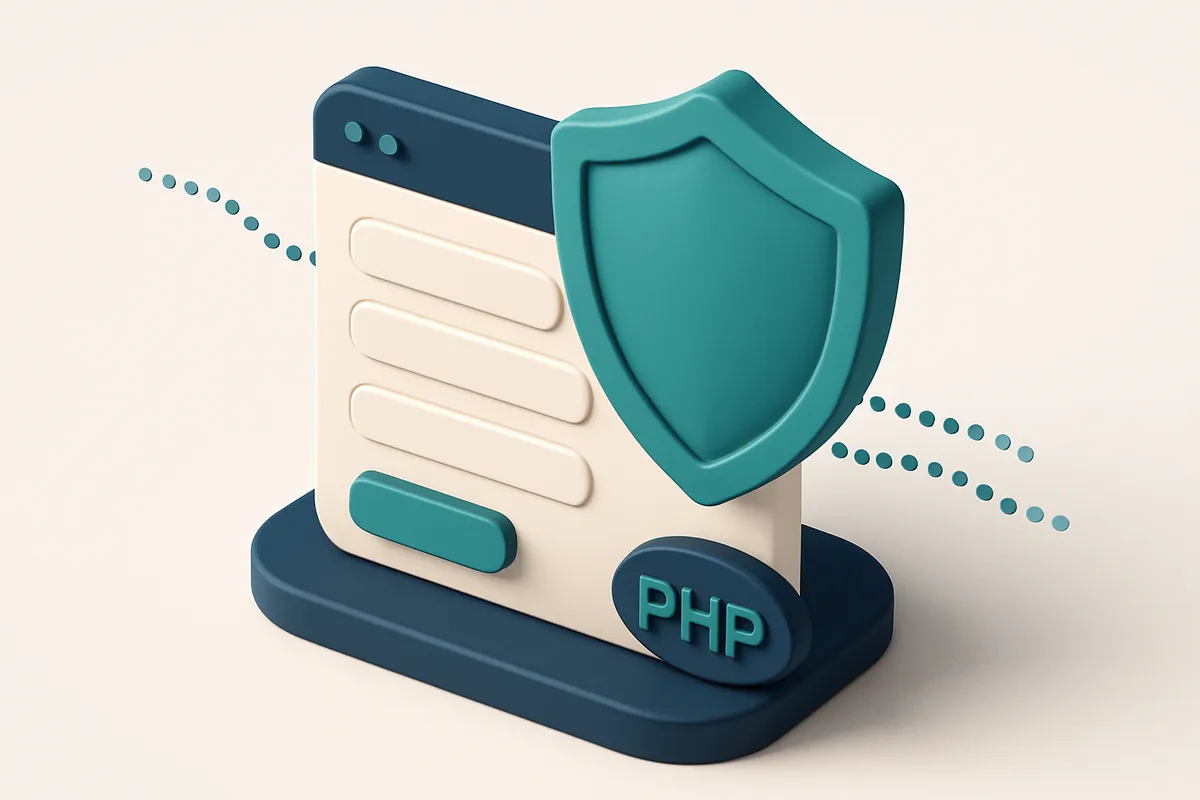
The Importance of Secure PHP Contact Forms
Imagine you’re filling out a contact form on a website, trusting your personal details will remain secure. But what if that trust is misplaced? Unsecured PHP contact forms can become gateways for malicious attacks, compromising your data and the reputation of the business.
Contact forms are more than just a means of communication; they are doorways to sensitive information. Without proper security, these forms can expose vulnerabilities like SQL injection and cross-site scripting, paving the way for data breaches. In this article, we explore the significance of securing your PHP contact forms, identify common security gaps, and discuss the potential fallout from neglecting these critical measures.
Key takeaways
- Understanding the necessity of secure PHP contact forms is essential to protect against data breaches.
- Common vulnerabilities in PHP forms include SQL injection and cross-site scripting.
- Data breaches resulting from unsecured forms can damage both user trust and business reputation.
Common Vulnerabilities in PHP Forms
Understanding SQL Injection
One of the most notorious vulnerabilities in PHP forms is SQL injection. It's akin to giving a stranger the keys to your database. An attacker manipulates a form input to inject malicious SQL code, potentially gaining access to sensitive data. Understanding this threat is crucial.
By using parameterized queries or prepared statements, you can mitigate this risk effectively. This approach ensures that user input is treated as data rather than executable code, thus safeguarding your database. For further reading on secure coding practices, the OWASP Top Ten offers invaluable insights.
Tackling Cross-site Scripting (XSS)
Cross-site scripting, or XSS, is another major concern when dealing with PHP forms. This vulnerability allows attackers to inject malicious scripts into web pages viewed by others. The consequences can include session hijacking, defacement, or even data theft.
To protect against XSS, validate and escape all user inputs. This means treating all input as untrusted data and filtering it accordingly. Use HTML escaping functions that make dangerous characters safe for display. Check out Google's web.dev guide on security headers for more comprehensive protection strategies.
Guarding Against CSRF
Cross-site request forgery, commonly known as CSRF, exploits the trust a user has in a particular site. An attacker tricks the user into performing actions without their knowledge, such as changing account details or making a purchase.
Implementing anti-CSRF tokens in your forms offers a robust defense. These tokens validate requests by ensuring they originated from your legitimate site, thwarting unauthorized actions. Develop a habit of aligning this measure with an overall security review process for your forms and applications.
Securing PHP forms isn't just about preventing attacks–it's about preserving trust. By safeguarding user data, you maintain the integrity of transactions and communication.
PHP Security Best Practices
Common Vulnerabilities and How to Address Them
When you're building a PHP contact form, prioritizing security isn't just a nice-to-have—it's essential. With threats such as SQL injection and cross-site scripting (XSS) lurking, a secure form is crucial for protecting sensitive information. Fortunately, there are proven techniques to fortify your forms against these attacks.
- Validate User Input: Always assume that input data might be harmful. Validate all inputs against expected formats and types. Use PHP’s filter functions, like
filter_var()for emails and URLs, to ensure you catch unwanted surprises. - Escape Outputs: Help avoid XSS by escaping data output to users. When displaying data on the page, consider using PHP functions like
htmlspecialchars()to convert special characters into HTML entities. This step ensures malicious scripts don't sneak into your site. - Use Prepared Statements: Protect your database from SQL injection by using prepared statements. Libraries like PDO or MySQLi offer straightforward methods to handle database interactions securely. This approach binds variables, which prevents unintended query modifications.
These security practices aren't just theoretical. Real-world websites face significant risks when contact forms are inadequately protected. For a deep dive into securing your PHP applications, the Open Web Application Security Project provides valuable guidelines.
Enhance Security With These Additional Steps
While the basics lay a solid foundation, there are additional measures you can implement to further secure your contact forms.
- Limit Input Length: Restrict the number of characters for each form field. This simple limit not only enhances user experience but also cuts down the risk of buffer overflow attacks.
- Verify HTTPS Usage: Ensure data is transmitted over HTTPS, which encrypts data between client and server, preventing eavesdropping. Check that your SSL certificates are up to date.
- Implement Captcha: Using tools like Google's reCAPTCHA can help verify that submissions are made by humans, reducing the risk of spam and automated attacks.
By implementing these best practices and staying informed on current threats, your PHP forms can remain secure. Interested in more protection strategies? Emaillistchecker.io offers bulk verification services that enhance your email campaign's security and efficiency.
Implementing CAPTCHA for PHP Form Security
Ensuring your PHP contact forms are secure is essential in preventing automated bots from spamming submissions. One effective deterrent is CAPTCHA, which requires the user to complete a simple test confirming they're human. Let's walk through how you can integrate CAPTCHA into your existing PHP forms.
Step-by-Step CAPTCHA Integration
- Choose a CAPTCHA solution: First, you'll need to decide which CAPTCHA service best suits your needs. Google's reCAPTCHA is popular and free to use for most small-scale projects. It's effective and easy to implement. Other options include hCaptcha and Friendly Captcha, which offer privacy-focused solutions. By selecting a suitable CAPTCHA, you can balance user experience with your security needs.
- Register and get API keys: For a service like reCAPTCHA, you'll need to sign up and register your website to receive a site key and a secret key. These keys are used to embed the CAPTCHA into your form and to verify responses server-side. This registration process ensures that the CAPTCHA is tied specifically to your domain.
- Integrate CAPTCHA in your HTML form: Next, add the CAPTCHA widget to your form. This typically involves inserting a snippet of HTML and JavaScript provided by your chosen CAPTCHA provider into your form. This step is crucial because it allows the CAPTCHA to be displayed and interacted with by the user in your form.
- Verify CAPTCHA response server-side: Once the user submits the form, you'll need to check the CAPTCHA's response on your server. This involves making a server-side API call to the CAPTCHA service with the user's response token and your secret key. It's essential to perform this verification to ensure that the user interaction was legitimate and the submission isn't from a bot.
- Handle verification outcomes: Based on the CAPTCHA verification result, decide whether to process the form submission. If the CAPTCHA test is successful, process the form as you normally would. If not, display an error message to the user. This step maintains security by ensuring only legitimate entries go through.
Benefits of Using CAPTCHA
Implementing CAPTCHA can significantly reduce spam and ensure that your contact forms are only used by humans. According to a report by Imperva, bad bots account for over 25% of all internet traffic. By deploying CAPTCHA, you're standing as a strong line of defense against unwanted bot interactions.
If you're looking to further secure email deliverability and reduce spam complaints, leveraging Emaillistchecker.io's inbox placement service can ensure your communications effectively reach your audience.
CAPTCHA is your first line of defense against automated spam - a small step that goes a long way in protecting your online interactions.
Adding CAPTCHA to your PHP forms is both straightforward and beneficial. With minimal setup, you strengthen your form’s security and maintain the quality of incoming communications.
Correctly Handling User Data
Your PHP contact form is a direct line into your application's data. With sensitive information changing hands, ensuring it's handled securely is a non-negotiable responsibility. Let's explore how you can handle user data effectively.
Encryption and Data Storage
Encryption is your best friend when it comes to securing user data. Any sensitive information entered through your contact form must be encrypted before storage. This adds a crucial layer of security, reducing the risk of data breaches.
- Encrypt sensitive data using proven algorithms like AES-256 before storing it in your database.
- Regularly update your encryption keys and manage them securely.
- Adopt hashing for storing passwords instead of encrypting them directly. Algorithms such as bcrypt can help with this process.
Secure Transmission with HTTPS
Data in transit is vulnerable to interception. Ensuring your website uses HTTPS is vital to protect this information as it's transmitted from browser to server. HTTPS encrypts the data, ensuring that even if intercepted, it's not readable to unauthorized parties.
- Install an SSL/TLS certificate to enable HTTPS on your server.
- Renew your certificates well before expiry to avoid disruptions.
- Enforce HTTPS by redirecting all HTTP traffic to HTTPS.
For a deeper understanding of encryption and HTTPS, refer to Google's guide on securing data with HTTPS.
Data Retention Policies
Each piece of data carries risk. The longer you retain it, the greater the exposure to potential breaches. Limiting your data retention is a proactive way to minimize this risk.
- Analyze which data you'll need in the long term and set clear data retention timelines.
- Regularly purge outdated or unnecessary data from your storage systems.
- Document your retention policies and ensure compliance with data protection regulations like GDPR.
Minimizing the data you store is just as important as protecting it.
By following these guidelines, you'll fortify your contact form against potential vulnerabilities. Remember, each measure not only improves security but also enhances trust with your users. For further integrating such security measures into your email processes, consider exploring our API solutions at EmailListChecker.io.
The Role of Email Verification in Form Security
Securing PHP contact forms isn’t just about keeping nefarious users out. It’s also about ensuring that the data you do collect is accurate. At the heart of this is email verification—an essential step in maintaining data quality and list hygiene.
Enhancing Data Quality with Email Verification
Email verification works by checking each email address submitted through your contact form. This process can weed out addresses that are mistyped, non-existent, or fake, reducing your bounce rates significantly. With fewer bounces, your emails are more likely to reach their intended audience, enhancing deliverability and preserving your sender reputation.
Imagine the power of receiving only valid contact information from your forms. This means less time sorting through false leads and more time engaging with real prospects. It's a critical shift from the traditional method of collecting all submissions indiscriminately, which often results in bloated, inaccurate databases.
For a deeper dive into how email verification can optimize marketing campaigns, check out this insightful article on MarTech Advisor. It provides a broader perspective on how verified emails can impact your overall marketing strategy.
Real-Time Verification with API Integration
Incorporating real-time verification into your contact form can further enhance security and accuracy. Through API integration, you can instantly verify emails as they are entered. This immediate feedback loop prevents invalid addresses from ever reaching your database.
Emaillistchecker.io offers a robust verification API that seamlessly integrates with your PHP forms. This allows you to maintain a clean, safe contact list without any manual sorting. Plus, it’s a safeguard against disposable or temporary email addresses, which often lead to spam complaints.
Additionally, real-time verification helps you maintain a positive sender score. According to Validity, keeping your score high is crucial for ensuring your emails reach the inbox—not the spam folder. It’s a proactive approach that pays off in the long run.
By implementing email verification, you ensure that only genuine leads make it to your inbox, setting the stage for effective and secure email communication.
To masterfully secure your PHP contact forms, consider employing email verification at different stages—whether in bulk or in real-time. With these strategies, optimizing your data quality becomes a manageable task.
Secure Configuration and Environment
Secure PHP Configurations
When setting up your PHP environment for a contact form, security should be a top priority. One of the first steps is configuring PHP to minimize vulnerabilities. Disabling functions like eval() and using open_basedir to limit script access to designated directories are good practices. You might also consider disabling register_globals, allow_url_fopen, and allow_url_include, which can significantly reduce the risk of malicious scripts infiltrating your system.
Additionally, using secure session management techniques is key. PHP sessions should be configured to use cookies with the HttpOnly flag and SameSite attribute, enhancing their security by preventing XSS attacks. Regularly audited applications ensure that they're adhering to these best practices, guarding your data appropriately. For more comprehensive security guidelines, refer to this PHP security manual.
Staying Updated with Security Patches
Regular updates are crucial in the world of web security. PHP frequently releases updates that patch known vulnerabilities. Keeping your PHP version up-to-date reduces the risk of exploitation by preventing attackers from using known weaknesses. Typically, each new PHP version improves upon the last by introducing robust security features and fixes. Monitoring releases from the official PHP website ensures you're informed of the latest updates and can apply patches promptly.
Moreover, it's a good idea to subscribe to security mailing lists or forums that notify you about important security updates, meanwhile testing updates in a controlled environment before deploying them to production. This ensures a seamless transition and keeps downtime to a minimum.
Limiting Access to Server Directories
In addition to PHP configurations, securing your server environment is equally important. Restrict access to sensitive directories by configuring server permissions correctly. Only essential system folders should be accessible via the web, typically confined to public resources like images and style sheets.
To further limit exposure, use rules in your server configuration files—such as .htaccess for Apache or nginx.conf for Nginx—to control which files are accessible to the internet. Configuring these files to prevent directory listing adds another layer of protection against unauthorized access.
Finally, employing services that monitor your email deliverability can help maintain your server's health by preventing your IP from landing on blocklists. Tools like EmailListChecker's inbox placement service provide insight into email health and deliverability issues, helping maintain a secure operating environment.
Keeping your PHP and server environments secure isn't a one-time endeavor but an ongoing commitment to safeguarding data and ensuring reliability.
Testing and Monitoring PHP Contact Forms
When you're managing a website, ensuring your PHP contact forms are secure is vital. Testing and monitoring these forms isn't just a one-time task; it's an ongoing necessity to protect your data and your users. Let's break down how you can stay ahead with a solid checklist.
Regular Vulnerability Testing
Your PHP contact forms could become vulnerable over time as new threats emerge. Regular testing can help you identify potential security issues before they become a problem.
- Conduct penetration testing on your forms at least once a quarter.
- Use tools like OWASP ZAP (Open Worldwide Application Security Project) to scan for vulnerabilities.
- Validate data inputs on the server-side to ensure that no malicious content is processed.
Keeping your testing proactive helps catch vulnerabilities early, reducing the risk of exploitation.
Periodic Security Audits
Beyond the regular checks, it’s crucial to carry out comprehensive audits. These audits will ensure that all security practices align with current standards and regulations.
- Perform a full security audit twice a year to assess compliance with standards like OWASP Top Ten.
- Review past security breaches and adjust your security measures accordingly.
- Document audit findings and remedial actions clearly for accountability.
Audits help in maintaining transparency and building a roadmap to stronger security measures.
Automated Monitoring Tools
Automation can complement manual efforts, ensuring that no suspicious activity goes unnoticed.
- Set up an automated monitoring solution to track form submissions and flag unusual patterns.
- Leverage tools like Loggly or Graylog for real-time logging and analytics.
- Integrate alerts to notify you of any detected anomalies immediately.
Continuous monitoring is your first line of defense, providing swift insights to mitigate threats as they arise.
For more comprehensive email data management, consider using advanced tools like our bulk verification service to enhance your email deliverability and widen your security net.
By following these steps, you’ll cultivate a proactive security posture for your PHP contact forms, safeguarding both your users and your reputation. Remember, security is ongoing, not a set-and-forget task.
Conclusion: Maintaining Long-term Security
Implementing a secure PHP contact form is the first step in a broader security strategy. Ensuring long-term protection requires a consistent approach, where email verification and user data management play pivotal roles. They help mitigate the risk of malicious entries and maintain the integrity of your contact form.
Regular updates and vigilant monitoring are essential components of this strategy. By keeping your systems current and actively watching for vulnerabilities, you can respond swiftly and effectively to potential threats.
Keep reading
- Engineering guides: frameworks, pipelines and data imports (complete guide)
- Secure PHP Form Handling: Best Practices & Validation
- Optimizing PHP Contact Forms for Better Deliverability
- Monitor SMTP Server Health for Better Deliverability
- How to Implement Email Validation in HubSpot Forms with JavaScript
Ready to put this into practice? Emaillistchecker.io verifies emails with 98.9% accuracy — start with 100 free verifications.
Frequently asked questions
Why is it important to secure PHP contact forms?
Securing PHP contact forms prevents data breaches and protects users from identity theft and unauthorized access.
What is SQL injection in PHP forms?
SQL injection is a code injection technique that might destroy your database. It's used to exploit a vulnerability in form input.
How does CAPTCHA help in securing forms?
CAPTCHA stops bots from submitting forms automatically, reducing spam and malicious attacks.
What is input validation?
Input validation ensures that only correctly formatted data enters the system, preventing potentially harmful inputs.
Why use email verification?
Email verification improves the accuracy of contact lists and prevents bounces and spam traps.
How can I implement email verification in PHP forms?
By integrating with a real-time verification API like Emaillistchecker.io to validate email addresses.
How often should PHP forms be audited?
Forms should be audited whenever major changes occur, or at least quarterly, to ensure security measures are up-to-date.
What steps should be taken if a security vulnerability is found?
Immediately close vulnerabilities, update security protocols, and inform stakeholders.
Is HTTPS mandatory for secure PHP forms?
Yes, HTTPS encrypts data sent between the user and the server, providing an essential layer of security.
Can email verification improve form security?
Yes, it ensures that only valid email addresses are stored, which reduces spam and enhances deliverability.