
Creating Engaging Newsletter Content for April
Boost engagement with outstanding newsletter content for April. Tips on crafting the perfect message.
The Importance of Engaging Newsletter Content
Have you ever opened a newsletter only to click away seconds later? It's a common experience – one that can be frustrating for both the sender and the reader. The key to changing this interaction lies in crafting engaging newsletter content that truly connects with your audience.
Creating relevant and timely content is central to keeping your subscribers interested. Just like a conversation where timing and subject matter matter, your newsletter must deliver the right message at the right moment. This requires an understanding of your audience that goes beyond basic demographics.
This article will guide you through how to maintain subscriber interest, ensure that your content resonates by being both relevant and timely, and why understanding your audience is foundational. Pay attention to these elements, and transform your newsletters into content your readers look forward to opening.
Key takeaways
- Engaging content is crucial to maintain subscriber interest.
- Relevance and timing enhance the impact of your newsletters.
- Understanding your audience is the first step to effective communication.
How to Structure Your April Newsletter
Creating a well-structured newsletter isn't just about aesthetics; it guides your readers directly to the information they need. A clear layout can significantly boost engagement by ensuring your audience doesn't miss what matters most. Let's dive into how you can effectively structure your April newsletter.
Start Strong: The Subject Line
Your subject line serves as your newsletter's first impression. It must grab attention and prompt the recipient to open your email. According to research by Campaign Monitor, emails with personalized subject lines are 26% more likely to be opened. Consider incorporating timely hooks or questions that provoke curiosity. Remember, curiosity drives clicks.
Make a Great First Impression: Above the Fold
Content above the fold is prime real estate. This is what your readers see without scrolling, so it should contain essential information to draw them in. Whether it's a compelling offer or a critical update, position this content strategically.
- Start with a punchy headline: Use your first line of text to summarize or tease what's inside.
- Highlight the key message: Ensure the most crucial content or CTA is noticeable immediately.
- Include engaging visuals: An appealing image or graphic can instantly grab the reader's attention.
For technical assurance, consider testing your newsletter's deliverability. This ensures it lands in inboxes rather than spam folders. Learn more about inbox placement with EmailListChecker's inbox placement tool.
Structure with Clarity: The Body
Once you've captured their attention, it's essential to maintain it. A structured body helps your readers digest content easily.
- Use subheadings and bullet points: Breaking text into sections makes it digestible and skimmable.
- Keep paragraphs short: 1-3 sentences per paragraph is ideal for online reading.
- Incorporate links to valuable resources: Linking to authoritative sources, like this guide on writing newsletter copy, can provide added value.
Wrap Up Effectively: The Closing
Your closing isn't just a goodbye; it's a final chance to connect with your audience. Reinforce your key message and include a call to action (CTA) that encourages further engagement.
- Summarize key points: Use a couple of lines to remind readers why your newsletter matters.
- Include a clear CTA: Direct your audience to take a specific action, whether it's visiting your website or checking out a new product.
- Offer contact information: Ensure readers know how to get in touch if they have questions or need more info.
“A good newsletter not only informs but engages—it becomes a trusted communication from you to your audience.”
By following these guidelines, you'll develop a newsletter that not only contains valuable content but is also structured for optimum engagement. Remember, a clear and engaging structure can transform a simple email into an effective communication tool.
Using Email Verification to Enhance Deliverability
Email verification is a critical step to enhance your newsletter's deliverability. Dropping into the inbox instead of getting lost in spam folders can significantly impact your outreach efforts. With bounces lurking as a definitive metric, every email sent counts. Let’s talk about how verifying your list could be your gateway to a better sender reputation.
Reducing Bounce Rates
A major hurdle in email marketing is the dreaded bounce. Each bounce negatively impacts your sender reputation. Instead of risking this, consider bulk verification to clean up your list. EmailListChecker.io can help reduce bounce rates by checking the validity of email addresses before you hit send.
When you verify your list, you're essentially filtering out emails that are no longer active, reducing the chance of hard bounces significantly. This means that your newsletter content reaches more real recipients, maximizing impact and maintaining a clean sender profile.
The Risk of Catch-All Addresses
Catch-all email domains can be misleading. While they accept all emails, they don't guarantee that each address is valid. Sending emails to a catch-all domain without verification could mean high bounce rates, confusing the decision between true engagement and dead ends.
Catch-all addresses require special attention, as they often result in wasted sends. Verifying these with EmailListChecker.io ensures you're working with the most accurate and up-to-date information, potentially saving your sender reputation from unnecessary damage.
Maintaining Your Sender Reputation
Your sender reputation is your ticket to the inbox. A poor reputation can lead your emails straight to the spam folder or blocklists. One way this can happen is by repeatedly sending to invalid or disengaged emails.
Maintaining a healthy sender reputation is key to ensuring your newsletters land where they're most impactful: in the inbox, not the spam folder.
To maintain a strong reputation, you need to regularly monitor and clean your list. This doesn’t just help with deliverability; it boosts engagement too. Validated and engaged addresses are more likely to open, click, and interact with your content, which sends positive signals back to email service providers.
Remember, email verification isn't a one-time task. With real-time verification available through our API, you can keep your list in the best shape possible, reducing the chance of being blacklisted and improving your overall deliverability.
Resourceful email practices like these play a crucial role in effective newsletter delivery. Consider diving into more technical explanations on sender reputation and deliverability metrics by exploring sources like the Cloudflare Learning Center for a deeper understanding.
Crafting Content That Resonates in April
Infuse Seasonal Themes
April is a month brimming with renewal and change. Spring has sprung, and Easter often steals the spotlight. This gives you a thematic backdrop to weave into your newsletter content. Consider discussing spring cleaning, both in a literal sense and metaphorically — fresh starts in business strategies or personal goals. Engaging content can stem from these seasonal insights, making your newsletter feel timely and relevant.
Earth Day also provides a chance to highlight sustainability practices. Share what your business is doing to be more eco-friendly, or provide tips that align with environmental responsibility. This not only aligns with the season but also enhances your brand's image as socially conscious.
Personalize the Reader Experience
Personalization is more than just including the recipient's name in the greeting. Tailor your content by segmenting your audience. When you understand the preferences and behaviors of your users, you can craft messages that strike a chord with them. Personalized experiences in emails can increase open rates by up to 29% according to research from Salesforce.
Use data to your advantage. Analyze past interactions and adjust your messaging to meet those insights. This could involve recommending products based on browsing history or offering content based on previous interests. Consider leveraging our inbox placement tools to ensure that your personalized messages reach the target's main inbox, rather than getting buried in spam.
Exciting Promotions and Exclusive Content
Giving your subscribers exclusive access to promotions or content can significantly boost engagement. These offers make your audience feel valued and part of an inner circle. Think about limited-time discounts for the month of April or sneak peeks at upcoming products. Such exclusivity turns your newsletter from just another email into a must-open communication.
Providing access to content that's not available anywhere else can also increase engagement. This might be early access to a blog post, a downloadable whitepaper, or a special video message from your CEO. Make sure these offerings are clearly communicated and easy to access.
Exclusive content is your lever to move the needle on engagement; use it to foster loyalty among your subscribers.
Engaging newsletter content in April isn't about reinventing the wheel. It's about capitalizing on the themes of the month, understanding your audience, and making them feel special. When done right, your newsletter can become a trusted source of value, not just another email in their inbox.
Engagement Techniques to Boost Open Rates
If you're aiming to skyrocket your newsletter open rates, focusing on engagement techniques is key. These strategies can transform a generic mailing list into a highly engaged audience.
Crafting the Perfect Subject Line
Your subject line is your first impression, so it needs to be compelling. A/B testing is an effective way to determine which version resonates more with your audience. Simply put, you send two versions to small segments of your list to see which performs better, then send the winning version to the rest. According to a guide by OptinMonster, A/B testing can increase open rates by up to 49%. It's about trial and error, but the insights gained are worth the effort.
Segmentation for Targeted Messaging
Your audience isn't a monolith; it's made up of individuals with different interests. Segmenting your email list allows you to send more targeted messages. This means higher relevance and engagement rates. You can segment based on various factors such as demographics, past purchases, or even activity levels. If you're using a robust email verification system, like our bulk verification tool, you'll also ensure your segments are clean and up-to-date.
Making Newsletters Interactive
Interactive elements can dramatically boost click-through rates. Whether it's a clickable quiz, a survey, or an embedded video, giving your readers something to do increases engagement. According to GetFeedback, interactive emails can boost click rates by 300%. Just ensure these elements are mobile-friendly, as many of your emails will be opened on mobile devices.
- Conduct regular A/B tests to hone in on the most effective subject lines.
- Segment your list to tailor content specific to audience interests.
- Incorporate interactive elements to maintain high engagement levels.
- Ensure mobile compatibility for all interactive features to maximize reach.
- Keep updating your email lists through verification tools for precise segmentation.
“Personalization is not a trend; it’s a marketing tsunami.”
By focusing on these techniques, you’re not just enhancing open rates; you’re building a more meaningful connection with your audience. And it's a good idea to continually reassess your strategies. After all, email marketing, like any digital field, is always evolving. So, grab these strategies and start transforming your newsletters into powerful engagement tools. Don't forget to measure your progress and adjust as needed for ongoing improvement.
Avoiding Common Pitfalls in Newsletter Content
Don't Overwhelm Your Readers
It's easy to get carried away when creating newsletter content. After all, you have a lot to say. However, packing in too much information can quickly lead to reader disengagement. When emails become overwhelming, they often end up ignored or worse, marked as spam. Stick to concise, relevant content that respects your reader's time.
Think about how you'd react to a newsletter filled to the brim with information. You'd skim, and possibly miss the most important parts. Instead, prioritize content based on what's most valuable to your audience and keep it simple. A clear call-to-action or an intriguing article should take center stage.
Be Honest with Your Subject Lines
There's a fine line between a compelling subject line and a misleading one. While it's tempting to craft elusive subject lines that promise the world, doing so can harm your credibility. The allure of a catchy title shouldn't override transparency. Misleading subject lines lead to disappointment, which erodes trust over time.
Your subscribers are more likely to engage with your content when it matches their expectations. According to a comprehensive study by Litmus, clarity trumps creativity in subject lines. Focus on accurately representing your email's contents to cultivate long-term trust with your audience.
Ensure All Elements Function Correctly
Broken links and images that don't load frustrate readers. Today’s subscribers expect a seamless experience, free from technical hiccups. Make it a habit to test all links and images before hitting send. Ensure that every path leads exactly where it should; a broken link not only cuts off engagement but also impacts sender reputation.
It's worth noting that regular testing is crucial to maintaining your sender reputation. Incorrect or outdated links might not only result in a poor user experience but also increase the chance of ending up on blocklists. Tools like EmailListChecker’s inbox placement can help ensure your newsletters reach the inbox without a hitch.
“Effective newsletter content isn't just about what you include—it's about what you leave out.”
At the heart of every successful newsletter is respect for your reader’s time and intelligence. Avoid these pitfalls by keeping your communication clear, honest, and technically sound. Doing so will help ensure your messages are welcomed into inboxes and not relegated to the digital wastebasket.
Leveraging Integrations for Streamlined Delivery
In the world of newsletters, content management can make or break your engagement strategy. Integrating with platforms like Mailchimp or HubSpot offers a direct route to better content management. These tools provide powerful dashboards for scheduling, automating, and tracking the performance of your newsletter content. With deeper integration, you can effortlessly sync your newsletter campaigns with your email list data, ensuring a seamless experience from creation to delivery.
Supercharging Content Insights with AI
We often think of AI as a tool for automation, but it also shines brightly in the realm of content effectiveness. Within your Mailchimp or HubSpot integration, leveraging the in-app AI assistant can offer insights into your newsletter's performance. This isn't just about open rates; it's about understanding what content resonates most with your audience. AI can analyze patterns and suggest improvements, making your newsletter content more engaging and relevant.
You don't need to guess what works; let AI illuminate the path to a more engaged audience.
Ensuring Deliverability with Real-Time Verification
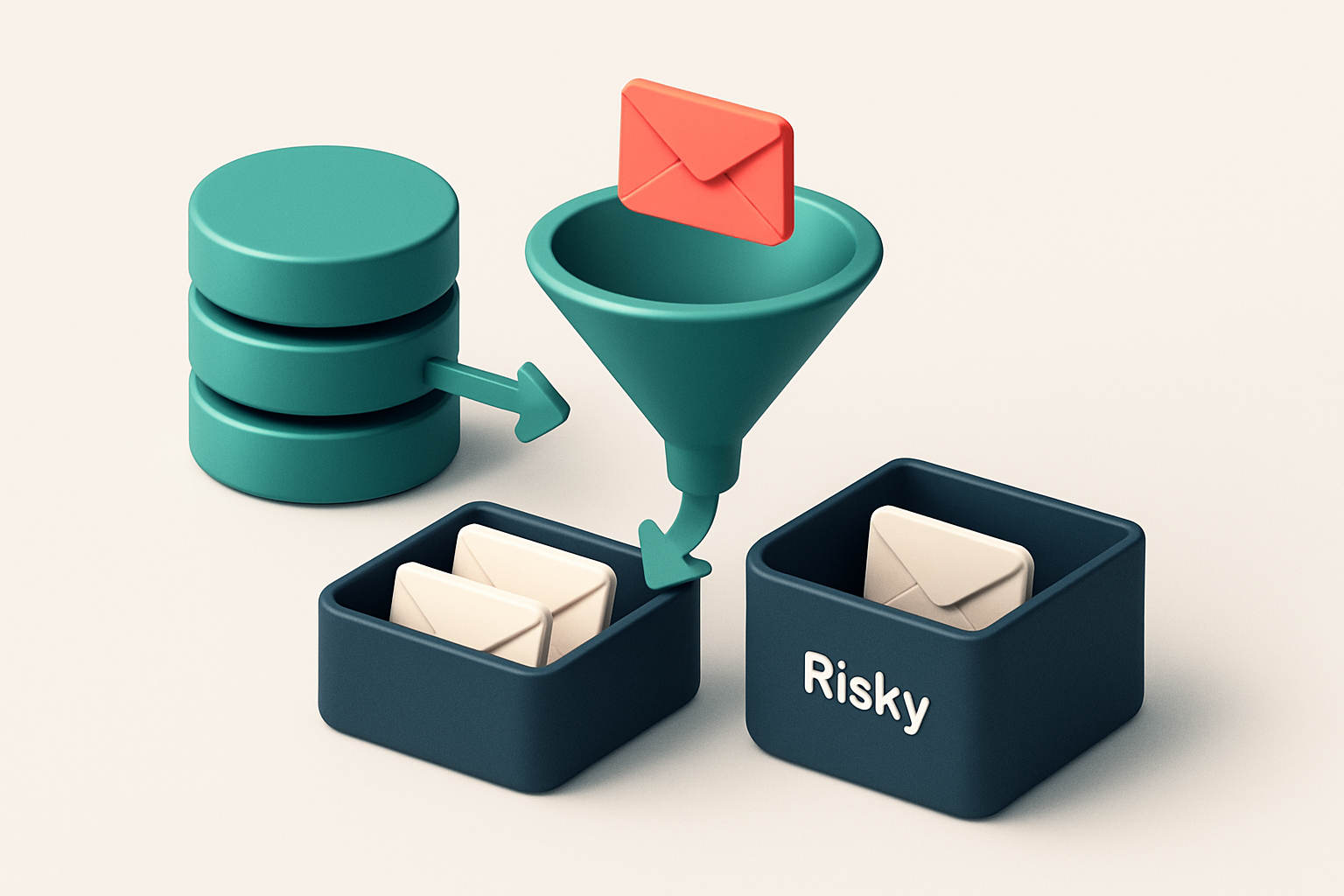
A beautifully crafted newsletter is only valuable if it reaches your audience's inbox. This is where deliverability becomes crucial. By using real-time verification APIs, such as those offered by EmailListChecker.io, you can maintain a clean email list and enhance deliverability. These APIs verify email addresses as they are entered or integrated from other systems, reducing the risk of bounces and blocklist incidences.
This approach is more proactive than relying solely on periodic bulk verification. Real-time verification catches errors as they happen, protecting your sender reputation from future issues.
According to Return Path's 2021 report, maintaining a good sender reputation is one of the top factors influencing inbox placement, emphasizing the need for vigilant verification practices.
Integrating your newsletter operations doesn’t just streamline processes; it enhances every step of your campaign strategy. By coupling content management tools with intelligent insights and trustworthy verification APIs, you set the stage for a more effective delivery of your message. Visit our integrations page to explore how these tools can fit seamlessly into your email marketing strategy.
Measuring the Success of Your Newsletter
When it comes to gauging how effectively your newsletter is performing, you need to start with the basics: open rates and click-through rates (CTR). These metrics tell you how many subscribers are opening your emails and engaging with your content. Open rates can help you assess the effectiveness of your subject lines, while CTR offers insight into the appeal of your newsletter's content.
Understanding Engagement Metrics
High open rates are great, but they’re just the beginning of the story. Click-through rates dive deeper, telling you which sections of your newsletter capture your reader's attention. Look at which links your audience is clicking on. If certain content types or topics consistently get more engagement, that's a clear signal to include more of that in your future issues.
Analyzing these patterns allows you to refine your content strategy over time. As subscribers interact with your newsletters, understanding these behaviors becomes crucial. For instance, HubSpot reveals that personalized content leads to higher engagement, which is why tailoring your messages may lead to better returns on investment.
Tracking Deliverability and Inbox Placement
Another often overlooked aspect is deliverability. You might have crafted the perfect email with enticing content, but what if it's landing in spam instead of the inbox?
Deliverability testing helps ensure your newsletters reach the intended recipients. Track metrics like bounce rates and analyze how various email service providers classify your emails. For deeper insights, tools like EmailListChecker's inbox placement service can be invaluable.
Also, keep an eye on your sender reputation. It affects your email placement over time. Regularly pruning your mailing list with accurate data, verified through services like bulk verification, can improve deliverability by minimizing declines in reputation due to outdated or invalid addresses.
“Focusing on open and click metrics alone might miss the bigger picture; the key is understanding how these metrics interplay with deliverability to maximize your newsletter's impact.”
Remember, effective newsletter management is iterative. By continually monitoring these metrics and making informed adjustments, you can enhance your newsletter's performance, ensuring it not only lands in inboxes but engages and retains subscribers too.
Concluding Thoughts on Newsletter Content Strategy
Consistency and quality in your newsletter content keep your audience engaged and loyal over the long term. Strategically planned content that's both informative and relevant helps build a stronger connection with your readers.
Feedback is crucial. By actively seeking insights from your audience, you can refine your content strategies to better align with subscriber preferences. This ongoing dialogue fosters a more personalized and effective communication channel.
Harness analytics to adapt and evolve your newsletter formats. By tracking engagement metrics, you'll identify what resonates, allowing you to iterate and improve your overall approach.
Understanding Your Audience for Better Engagement
Creating compelling newsletter content starts with truly understanding who you're writing for. It's not just about sending emails but making sure they resonate with your audience. This means defining clear reader profiles and knowing their preferences. Let’s dive in.
Identify and Define Your Target Reader Profiles
Before crafting content, recognize who your target readers are. This sets the foundation for everything else.
- Break Down Your Target Audience: Go beyond demographic data; use psychographics like values and interests to capture a more vivid picture.
- Create Detailed Personas: Build profiles for each segment; include fictional names, professions, and even a typical daily schedule to make them relatable.
If you’re not sure where to start with identifying your audience, consider resources like HubSpot’s guide on buyer persona creation.
Understand Their Needs and Preferences
Knowing your audience involves more than general profiles; it means digging into their specific needs and interests.
- Conduct Surveys and Polls: Engage your readers directly to gather insights about what content matters to them.
- Analyze Engagement Data: Use data from past newsletters to see which topics generated the most clicks and responses. This helps tailor future content.
This understanding not only improves the content strategy but also boosts engagement. In fact, according to Campaign Monitor, personalized emails deliver 6x higher transaction rates.
Segment Your List to Personalize Content
Once you understand your audience, the next step is to tailor your message. Segmentation enables you to adjust your content delivery, which can substantially increase engagement rates.
- Use Behavioral Data: Divide your audience based on actions they've taken, such as past purchases or email interactions.
- Leverage Geographic and Demographic Data: Ensure that content reflects the interests and needs of people in different locations or age groups.
Email verification tools, like our bulk verification, can help ensure your segments are accurate and reduce bounce rates.
Effective segmentation isn’t just about breaking down your list; it's about putting the right message in front of the right person at the right time.
With these steps, you not only maximize reader engagement but also build a more meaningful relationship with your audience. Remember, a well-segmented list is a powerful tool in your marketing arsenal.
Creative Content Ideas for August Newsletters
Leverage Seasonal Themes and Holidays
August is a month full of unique opportunities to engage your newsletter subscribers with timely content centered around the season’s themes and holidays. National Relaxation Day (August 15) offers a chance to promote relaxation tips or products, while Senior Citizens Day (August 21) could inspire content focused on wisdom and community care. Embracing these themes can make your newsletter feel timely and relevant.
In addition to these specific days, consider broader themes that August evokes. The end of summer brings thoughts of back-to-school preparations and last-minute vacations. Capitalize on these themes by offering educational content, travel tips, or even end-of-summer sales. Contextual relevance can increase engagement and embed your newsletter into your readers' routines. To discover more seasonal dates, you might explore resources like Time and Date's holiday list.
Highlight Notable Industry Events or Topics
Incorporating industry events or trending topics in your newsletter helps you stay relevant and authoritative in your field. August might not be the busiest month for conferences, but virtual summits and webinars abound. Highlighting these events not only informs your readership but can also position your brand as a thought leader.
Consider curating content around significant trends or reports that are released in August. For example, if a major research study is published in your industry, summarizing its findings or offering your company's take can provide valuable insight to your audience. For reliable sources of industry reports, check places like Statista.
Incorporate Interactive Elements
Interactive elements like polls and quizzes are great for increasing engagement and gathering insights about your audience’s preferences. A simple poll about upcoming product features or a quiz geared at helping subscribers determine their knowledge level about a trending topic can make your newsletters more engaging and informative.
You might also use these interactive tools to drive traffic back to your website or services. For instance, a quiz result could guide subscribers to a relevant product page that aligns with their interests, such as our inbox placement tool for those keen on improving email deliverability.
“Interactive content not only boosts engagement but also provides valuable data about your subscribers' interests and behavior.”
By integrating these creative ideas into your August newsletters, you ensure your content remains fresh and engaging, ultimately fostering a stronger connection with your audience.
Ways to Enhance Email Engagement
Crafting Compelling Subject Lines and Preview Text
Your email's first impression hinges on the subject line and preview text. This duo determines whether your message makes it past the clutter of the inbox. For subject lines, focus on clarity and curiosity. Ask a question or promise a benefit—something that piques interest right away.
According to a study by Campaign Monitor, emails with personalized subject lines are 26% more likely to be opened. You can also experiment with the length and style of your subject lines to see what resonates with your audience. For instance, if brevity works for your readers, keeping it under 50 characters could do the trick.
Don’t overlook your preview text, as it complements the subject line. Use this space to offer additional context or tease the content of your email. Think of it as the trailer to your movie. It's key to maintaining that initial interest sparked by the subject line.
Incorporating Clear Calls to Action
Once readers open your email, guide them with clear calls to action (CTAs). A strong CTA is specific and compelling. Words like "discover," "learn," or "get" prompt readers to take the next step. These should align with the goal of your email, whether it’s directing traffic to your website or encouraging downloads.
Think about the design and placement of your CTAs. Make them visually distinct but harmonious with your overall email design. A button format often stands out more than a text link, making it more likely to be clicked. For more tips on effective email design, consider checking Campaign Monitor’s email design resources.
Focusing on Concise, Valuable Information Delivery
In your content, prioritize quality over quantity. Subscribers have limited time and want useful information fast. Start by identifying the core message you want to convey and stick to it. Avoid stuffing your email with excessive details; instead, provide enough information to engage the audience and fulfill the promise you made in the subject line.
Utilizing tools like Emaillistchecker.io’s bulk verification can also reduce the risk of sending to uninterested parties, optimizing engagement rates. This ensures that your content is being read by the right people who are more likely to be interested in what you have to say.
Additionally, incorporating visual elements like infographics or concise, easy-to-understand images can enhance understanding and retain your readers' attention. Using visuals way beyond mere decoration serves as another medium to convey your message effectively.
“Emails are about connection. Make yours vital by delivering clarity, relevance, and action." – Email Marketing Insight
Ultimately, the value readers derive from your email will set the stage for future engagement. Keeping your messaging concise and targeted ensures a more engaged audience in the long run.
Keep reading
- Email marketing fundamentals for clean data (complete guide)
- Email Verification for Digital Publishing Platforms to Boost Open Rates
- Enhancing February Newsletter Customer Success Stories
- Boost Engagement with Customer Feedback Post-Launch
- Creating Engaging Newsletters: Boost Email Success
Keep reading
- Email Verification API for Travel Content Newsletter Subscriptions
- Avoid These Newsletter Mistakes to Boost Engagement
- Best Practices for Creating Engaging Newsletter Events
- Optimal Times for Sending Newsletters to Boost Engagement
Ready to put this into practice? EmailListChecker verifies emails with 98.9% accuracy — start with 100 free verifications.
Frequently asked questions
How can I create engaging newsletter content?
Focus on relevance, timing, and understanding your audience's needs to craft content that resonates.
Why is email verification important for newsletters?
It helps reduce bounce rates and maintains sender reputation, ensuring your emails reach the inbox.
What should I include in my April newsletter?
Consider seasonal themes, personalized content, and exclusive offers to engage your audience.
How can I improve newsletter open rates?
Use compelling subject lines, segment your audience, and test different approaches through A/B testing.
What are common newsletter content mistakes?
Avoid overwhelming details, misleading subject lines, and ensure all links and images are functional.
How can integrations help with my newsletter?
Integrations with platforms like Mailchimp streamline content management and enhance delivery.
What metrics should I track for newsletter success?
Monitor open rates, click-through rates, and engagement levels to gauge content effectiveness.
How often should I send newsletters?
Frequency depends on your audience and content availability; consistency is key without overwhelming recipients.
Can I personalize my newsletter content?
Yes, personalization can improve engagement by addressing individual subscriber preferences and behavior.
What is a catch-all email and why is it risky?
A catch-all email accepts all incoming messages for a domain, making validation harder and riskier for bouncing.